Family-Centered Recovery: How Leading Rehabilitation Centers Include Loved Ones in the Healing Process

Addiction never happens in a vacuum. It’s a storm, and while one person may be at its center, the entire family gets swept up in the chaos. For a long time, treatment reflected a kind of isolation—the person struggling was sent away to get better, while the family waited on the sidelines, tangled in their own web of worry, anger, and confusion. But the best programs today understand something crucial: you can’t heal a person without healing their environment. Leading rehabilitation centers are now bringing loved ones into the fold, recognizing that if addiction is a family disease, then recovery must be a family journey.
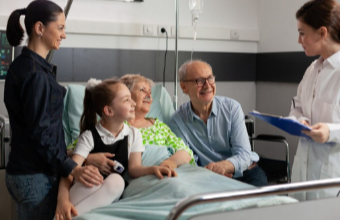
When a family first brings someone to a rehab facility, the focus is naturally on that individual. But smart programs know that the family members are also in crisis. The process often starts with education. In group sessions and one-on-one meetings, families learn what addiction actually is: a chronic brain disease, not a moral failing. This simple shift in perspective can be life-changing. It helps replace anger with empathy and allows families to see their loved one not as a source of disappointment, but as someone who is ill and needs help. This is the first step toward mending relationships that have been fractured by years of conflict.
The next step is often harder: helping the family see their own part in the dynamic. Out of love and fear, family members often fall into patterns of enabling—making excuses, paying off debts, or softening the consequences of the addiction. These actions, meant to help, actually make it easier for the addiction to continue. In family therapy, a counselor can gently help loved ones identify these behaviors without shame. They learn to set healthy boundaries, which isn’t about punishment, but about self-preservation and creating a structure where recovery is possible. A boundary might sound like, “I love you, and because I love you, I will not lie for you or give you money.” This is where the family begins to reclaim its own health.
A good rehabilitation centre Mumbai knows that the real test comes when the person in treatment goes home. If they return to the exact same family environment, with all its old triggers and dysfunctional communication, the chances of relapse are incredibly high. This is why involving the family from the beginning is so critical. As their loved one learns new coping skills in treatment, the family learns new ways to communicate and support them. They learn how to offer encouragement without enabling and how to handle conflict without resorting to blame.
This process transforms the family from a potential liability into the most powerful asset in their loved one’s recovery. When a person leaves the structured safety of a rehabilitation centre Mumbai, they need to land in a place that supports their new life. A family that has done its own healing work can provide that. They become a team, all working toward the same goal. By including loved ones in the healing process, these centers aren’t just treating an individual; they are healing an entire family system, creating a foundation of support that makes lasting recovery not just possible, but probable.