Root Canal Troubles? Here’s Why Retreatment Might Be Necessary
Root canal treatment is designed to save a tooth by removing infection from inside the tooth and sealing it to prevent future problems. In most cases, it works extremely well. However, there are times when a tooth that has already had a root canal develops new symptoms or fails to heal properly. When that happens, retreatment of root canal may be needed.
This simple guide explains what root canal retreatment is, why it’s sometimes necessary, and what patients can expect from the process.
What Is Root Canal Retreatment?
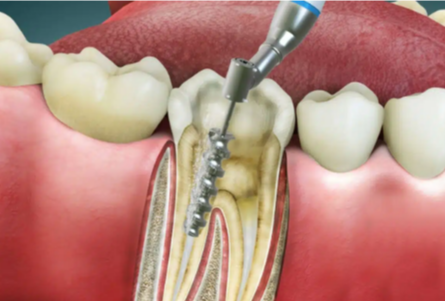
Root canal retreatment is a procedure used to re-treat a tooth that has previously undergone root canal therapy but has become reinfected or symptomatic again. During retreatment, the dentist or endodontist removes the old filling material, cleans and disinfects the canals again, and reseals the tooth to give it another chance to heal.
Why Would a Root Canal Need Retreatment?
There are several reasons a root canal-treated tooth may need additional care:
1. Hidden or Complex Canals
Teeth do not always have a simple, straight canal system; many have complex anatomy that can be difficult to identify during the initial root canal treatment. Hidden or unusually shaped canals may be missed, allowing bacteria to remain inside the tooth. Over time, this residual infection can lead to persistent symptoms or reinfection. Retreatment allows the dentist or endodontist to locate and clean these complex areas using advanced imaging and magnification.
2. New Tooth Decay
A tooth that has had a root canal can still develop new cavities, particularly around existing fillings or crowns. If decay progresses, bacteria can penetrate the sealed root canal system and cause infection again. Good oral hygiene and regular dental checkups are essential to prevent decay from compromising a previously treated tooth.
3. Cracked or Leaking Crowns or Fillings
Crowns and fillings are designed to protect a root canal–treated tooth, but over time, they may wear down, crack, or develop small gaps. Even tiny openings can allow bacteria to re-enter the tooth and cause reinfection. Root canal retreatment addresses the internal infection, while replacing or repairing the damaged restoration helps reestablish a secure seal and protect the tooth from future contamination.
4. Delayed Crown Placement
After a root canal, the tooth may not be sealed or restored with a crown promptly, leaving it vulnerable to reinfection. Prompt placement of a permanent restoration is essential to protect the treated tooth and ensure long-term success.
5. Salivary Contamination
Saliva naturally contains bacteria, sugars, and acids that can compromise a root canal–treated tooth if it comes into contact with the canal system during or after treatment. An inadequately sealed tooth allows salivary contamination, which can lead to inflammation, discomfort, and reinfection. In such cases, retreatment may be necessary to thoroughly clean and properly reseal the tooth, thereby restoring its long-term health.
Signs You May Need Root Canal Retreatment
Some teeth needing retreatment cause noticeable symptoms, while others are discovered during routine dental exams. Common signs include:
- Sensitivity to hot or cold – Lingering or sharp discomfort after hot or cold foods or drinks.
- Swollen or tender gums – Soreness, puffiness, or sensitivity around the affected tooth.
- Pimple-like bump on the gums – A small bump near the tooth that may signal infection.
- Pain when biting or chewing – Discomfort or pressure sensitivity when chewing.
- Discolored tooth – Darkening or color changes that suggest internal damage.
- Persistent bad taste or odor – Ongoing unpleasant taste or bad breath caused by bacteria.
If you experience any of these symptoms in a tooth that has already had a root canal, it’s essential to have it evaluated promptly.
How Root Canal Retreatment Works
The retreatment process is similar to the original root canal, with a few additional steps:
1. Accessing the tooth: The dentist removes the existing crown or filling to reach the root canals.
2. Removing old filling material: The previous root canal filling is carefully taken out.
3. Cleaning and disinfecting the canals: The canals are thoroughly cleaned to remove bacteria, debris, and infection.
4. Refilling and sealing the tooth: The canals are sealed again to prevent future infection.
5. Restoration: A new crown or restoration is placed to protect the tooth.
The procedure may be completed in one or more visits, depending on the complexity of the case.
Final Thoughts
Retreatment of root canal is a safe, effective solution when a previously treated tooth develops problems. While needing retreatment can feel frustrating, it’s often the best way to eliminate infection and save your natural tooth.
If you’re experiencing discomfort in a tooth that has already had a root canal, don’t ignore it. Early evaluation can prevent further complications and help you maintain a healthy, confident smile.