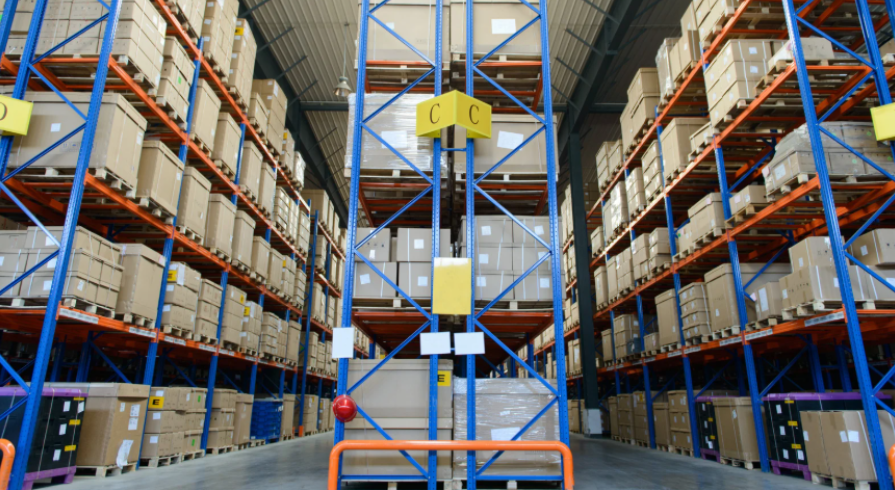
A warehouse layout can either support efficiency or quietly slow everything down. When storage areas are disorganized, inventory becomes harder to locate, aisles become congested, and daily operations start losing time in ways that are not always obvious at first. As product volume increases, these layout problems often get worse, leading to delays, safety concerns, and wasted space. That is why investing in industrial racking is one of the most practical ways to optimize a warehouse layout. A well-planned racking system creates structure, improves flow, and helps facilities store more inventory while keeping movement safe and consistent.
Why warehouse layout design impacts performance
Warehouse layout design affects how quickly products move from receiving to storage, from storage to picking, and from picking to shipping. When the layout is not optimized, workers spend extra time walking, forklift operators deal with tight turns, and inventory ends up placed wherever space is available. This creates confusion and increases the chance of product damage or misplacement.
An optimized layout is built around clear pathways, designated storage zones, and efficient access to high-demand items. Industrial racking makes this possible by turning open warehouse space into organized storage areas with predictable positioning. It helps facilities maintain order, even during high-volume seasons when inventory movement increases.
Making it easier to scale inventory without chaos
As businesses grow, inventory volume increases and warehouse layouts need to adapt. Without structured storage, growth often leads to clutter and rushed organization. Industrial racking helps warehouses scale more smoothly by providing a framework that can expand with changing inventory demands. With the right racking setup, warehouses can add new product categories, adjust storage zones, and maintain consistent access without creating overcrowded areas that slow down operations.
Improving equipment movement and operational safety
Industrial racking supports layout optimization by improving how forklifts and pallet jacks move through the warehouse. When aisles are properly planned, equipment can operate with fewer tight turns and less congestion. This helps reduce accidents and damage caused by rushed movement or blocked access points.
Racking also supports safety because it keeps inventory stable and properly stored. Floor stacking often creates unstable piles that shift over time. Industrial racking creates stronger load support and helps ensure pallets remain positioned correctly, reducing the likelihood of falling products and workplace hazards.
Planning the right racking system for your warehouse needs
Not every warehouse operates the same way, which is why racking systems should be matched to the facility’s goals. Some warehouses require heavy pallet storage, while others focus on smaller items and frequent picking. Layout optimization depends on choosing a racking system that fits product size, weight, and handling frequency. Knowing what questions to ask before buying an industrial racking system to ensure the investment supports long-term operational needs. Asking the right questions helps prevent mismatched storage solutions and improves the overall effectiveness of the layout.
See also: Enhancing Digital Presence for Businesses
Long-term benefits of professional design and installation
Industrial racking delivers the best results when it is professionally designed for the space. Proper layout planning considers ceiling height, load capacity, equipment clearance, and access requirements. A professionally planned system can increase storage capacity while protecting safety and maintaining operational efficiency. When racking is installed and maintained correctly, it reduces long term disruptions and supports a cleaner, more organized warehouse environment.
Conclusion
Industrial racking plays a major role in optimizing warehouse layouts by improving storage structure, supporting efficient zoning, and creating safer equipment movement throughout the facility. With a well-designed racking system, warehouses can reduce wasted space, increase capacity, and maintain smoother workflows across receiving, storage, and shipping. By investing in the right racking solution and strategically planning it, warehouse leaders can create a layout that supports growth, efficiency, and long-term operational stability.