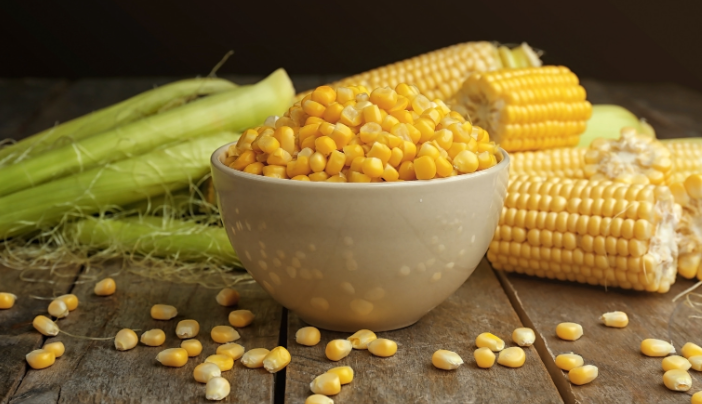
Corn has played a vital role in human nutrition for thousands of years, particularly in Mesoamerican civilizations where it formed the foundation of daily diets. However, raw corn on its own is difficult to digest and lacks key bioavailable nutrients. Early communities discovered that simply grinding and boiling untreated corn did not provide enough nutrition to sustain growing populations. Through observation and experimentation, ancient cultures developed a preparation method that transformed corn into a more nutritious, digestible, and versatile food. This process, known as nixtamalization, remains essential in traditional food production today. Modern brands such as Casa Manchas continue to rely on nixtamalized corn to preserve nutritional integrity and authentic flavor in corn-based foods.
This article provides an in-depth overview of the origins of nixtamalized corn, how the process works, the nutritional and culinary benefits it delivers, and why it continues to matter in modern diets.
What Is Nixtamalization?
Nixtamalized corn is corn that has been soaked and cooked in an alkaline solution, usually lime water (calcium hydroxide), and then rinsed and ground into masa. This traditional process, developed thousands of years ago in Mesoamerica, changes the chemical structure of the corn, making it more nutritious, digestible, and flavorful.
Benefits of nixtamalization:
- Improves Nutrition: Makes niacin (vitamin B3) bioavailable and adds calcium.
- Enhances Flavor: Produces a rich, earthy taste that is unique to traditional corn.
- Better Texture: Creates dough that is more elastic and easier to work with, ideal for tortillas and tortilla chips.
- Easier Digestion: Softens the tough outer hull and modifies starch for better absorption.
Historical Development of Nixtamalized Corn
The practice of nixtamalization dates back over 3,000 years and originated in present-day Mexico. Early Mesoamerican societies, including the Maya and Aztecs, relied heavily on corn as a staple food. Corn was central to their diet, culture, and economy, yet raw or untreated corn alone was nutritionally insufficient.
Through experimentation, these civilizations discovered that cooking corn in an alkaline solution and soaking it produced several benefits: it softened the kernels, improved taste, and most importantly, released essential nutrients previously unavailable for absorption. Without this process, diets that relied solely on untreated corn could lead to deficiencies, particularly niacin deficiency, which causes pellagra.
The adoption of nixtamalization allowed these civilizations to thrive. It supported population growth, promoted better health, and ensured the sustainability of a corn-based diet. Over time, nixtamalization became deeply embedded not just as a cooking method but as a cultural practice, reflecting an early form of food science grounded in observation and experimentation.
How Nixtamalization Improves Nutritional Value
One of the most significant impacts of nixtamalization is its effect on nutrient availability. Untreated corn contains niacin, also known as vitamin B3, in a bound form that is not readily absorbed by the human body. The alkaline treatment of nixtamalization releases niacin, making it bioavailable and preventing nutritional deficiencies.
Key Nutritional Benefits
- Enhanced Niacin Absorption: Helps prevent pellagra and supports energy metabolism.
- Increased Calcium Content: Lime used in soaking fortifies corn with calcium, promoting stronger bones.
- Improved Protein Quality: Nixtamalization modifies amino acid availability, making corn a better source of protein.
- Reduced Antinutrients: Phytates and other compounds that can interfere with mineral absorption are reduced during processing.
These nutritional improvements explain why ancient communities that practiced nixtamalization maintained better health and avoided diseases associated with corn-based diets. Even today, these benefits make nixtamalized corn a superior choice for modern foods.
Digestibility and Metabolic Benefits
Nixtamalization also enhances digestibility. The process softens the tough outer hull of corn kernels and partially breaks down complex carbohydrates, making them easier to digest. This has a direct impact on metabolism and nutrient absorption.
Better digestibility reduces gastrointestinal discomfort that can result from consuming heavily processed corn products or untreated corn. For sensitive individuals, nixtamalized corn can feel lighter and more easily digestible, providing sustained energy and nourishment without digestive strain.
See also: Building Health Opportunities Through a Chiropractic Franchise
Impact on Flavor and Functional Quality
From a functional standpoint, nixtamalization enhances both flavor and texture. Corn that has undergone this process develops richer, more complex flavors and loses the slight bitterness that untreated kernels can carry. The alkaline treatment also improves dough elasticity and cohesion, making it ideal for tortillas, tortilla chips, and tamales that require structural integrity during cooking.
Nixtamalized dough cooks evenly, crisps properly, and retains shape without cracking. When used for tortilla chips, it results in a satisfying crunch and authentic corn taste that cannot be replicated with chemically processed corn flour.
Cultural and Agricultural Importance
Nixtamalization is closely tied to cultural identity and sustainable agriculture. It represents a sophisticated understanding of food science long before modern chemistry was known. Preserving this method honors centuries of tradition and maintains a connection between the food we eat and the farming practices that support it.
The process encourages the use of whole kernels and supports traditional farming practices, emphasizing minimal waste and careful preparation. In a world of fast food and mass production, nixtamalization stands as a reminder of the value of intentional, slow food preparation methods.
Relevance of Nixtamalized Corn Today
Modern consumers are increasingly aware of ingredient sourcing, nutrition, and authentic flavor. Nixtamalized corn aligns perfectly with these priorities, providing a traditional approach that is both flavorful and nutritionally superior.
Using nixtamalized corn in contemporary food products bridges ancient knowledge with modern dietary needs. It allows food makers to provide snacks and meals that are more nutritious and satisfying, without relying on additives or chemical fortification.
Conclusion
Nixtamalization is one of the most important traditional food processes ever developed. By transforming corn into a more digestible, nutritious, and flavorful ingredient, it enabled entire civilizations to thrive and continues to support healthy diets today. Its influence extends beyond nutrition to flavor, texture, and culinary tradition, making it a vital practice in both traditional and modern food production.
If you want to explore foods made using nixtamalized corn and traditional preparation techniques, contact us today to learn more about products crafted with care, authenticity, and nutritional integrity.