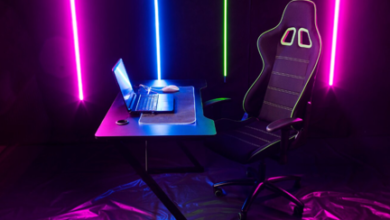
The average adult now spends over 11 hours a day looking at screens — a reality that has turned digital eye strain from a minor inconvenience into a widespread health concern. Headaches, blurred vision, and disrupted sleep have become routine complaints for millions of people navigating a screen-saturated world. At the center of this conversation is blue light, the high-energy wavelength emitted by smartphones, laptops, and LED monitors that our eyes were never quite built to handle in such relentless doses.
For students pulling late-night study sessions and professionals chained to their desks, finding the right eyewear solution has never felt more urgent. Traditional blue light glasses have long served as the go-to remedy, but a new category of wearable tech is reshaping the conversation: audio camera glasses. These smart eyewear devices don’t just protect your eyes — they record, connect, and communicate. This article breaks down both options in depth, helping you understand which one genuinely fits your lifestyle, your health needs, and your daily demands.
Understanding Blue Light and Digital Eye Strain
Blue light is a high-energy visible wavelength ranging from roughly 400 to 490 nanometers. While the sun is its most powerful natural source, the screens we stare at daily — smartphones, monitors, tablets, and LED lighting — emit concentrated doses at uncomfortably close range. Unlike sunlight exposure, which we naturally moderate by going indoors, screen-based blue light hits our eyes for hours without interruption.
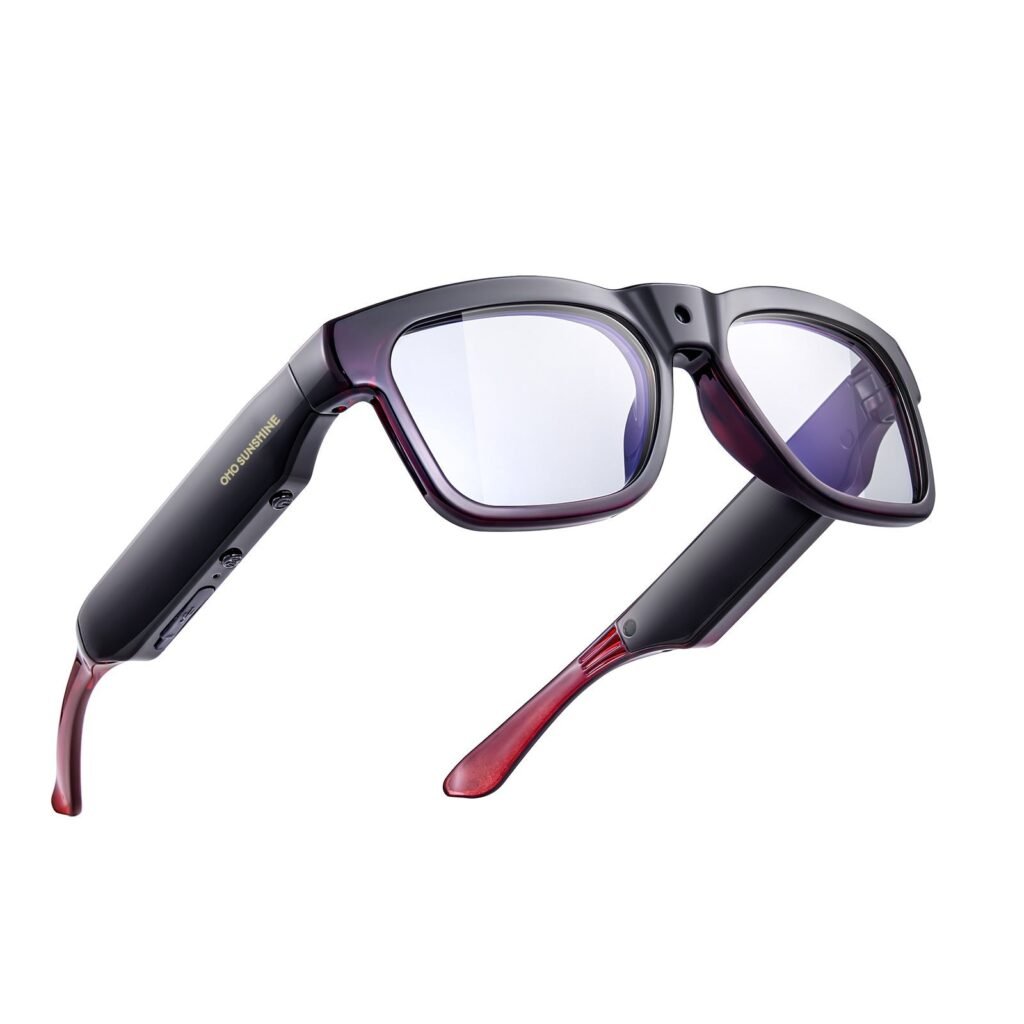
Prolonged exposure triggers a cascade of uncomfortable symptoms collectively known as digital eye strain: dry eyes, persistent headaches, blurred vision, and neck tension. Beyond immediate discomfort, blue light penetrates deep into the eye and may contribute to retinal stress over time. Perhaps most disruptively, evening screen use suppresses melatonin production, throwing off sleep cycles and leaving users feeling fatigued the next day. For students studying late into the night and professionals logging extended hours on laptops, effective blue light blocking isn’t a luxury — it’s a practical necessity for sustaining both performance and long-term eye health.
Traditional Blue Light Glasses: Features and Benefits
Traditional blue light glasses work through specialized lens coatings or tinted filters that absorb or reflect high-energy blue light wavelengths before they reach your eyes. Most lenses feature an anti-reflective coating combined with a subtle yellow or amber tint, though clear-lens versions with embedded filtering agents are increasingly popular for those who prefer a neutral look. They come in prescription and non-prescription formats, meaning both those with vision correction needs and those with perfect eyesight can benefit equally.
The core advantages are straightforward and well-documented. Regular use reduces eye fatigue during prolonged screen sessions, eases headache frequency, and supports healthier melatonin production by limiting blue light exposure in the evening hours. Style options have expanded considerably — from minimalist wireframes to bold acetate designs — making blue light blocking eyewear a seamless addition to most wardrobes. Brands like ohosunshine have helped broaden this category by offering frames that balance everyday aesthetics with functional lens technology. The primary limitation, however, is their single-function nature. They filter light and nothing more, offering no connectivity, no audio, and no smart features. For users whose needs extend beyond eye comfort, traditional blue light glasses may feel like an incomplete solution in an increasingly tech-integrated daily routine.
Audio Camera Glasses: The Multifunctional Wearable Tech
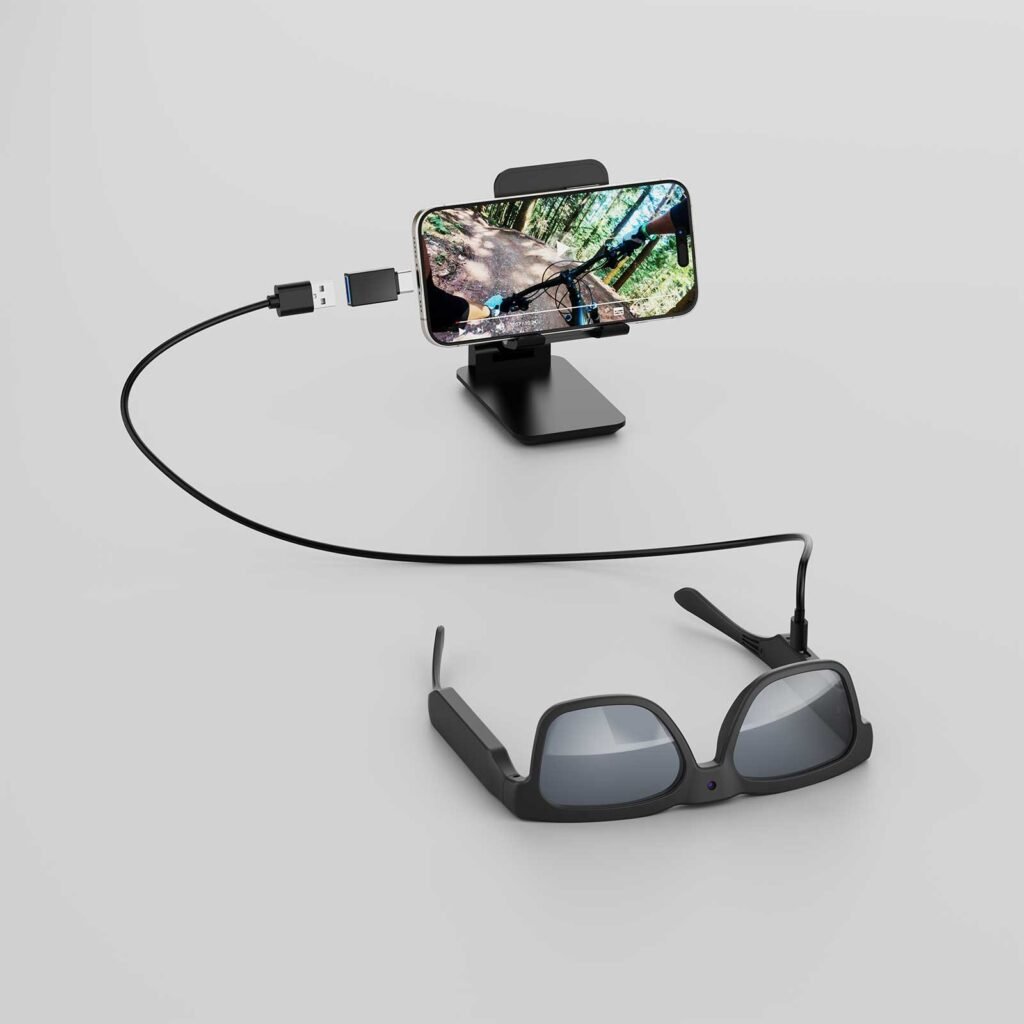
Audio camera glasses represent a significant leap forward in wearable tech, combining the familiar form of eyewear with an integrated suite of smart capabilities. At their core, these devices embed miniature cameras — typically positioned at the bridge or corners of the frame — alongside built-in speakers and microphones, transforming ordinary glasses into a hands-free recording and communication hub. Unlike bulky action cameras or conspicuous headsets, they deliver functionality without sacrificing the subtlety of everyday eyewear.
The primary draw is seamless hands-free photography and video capture. Whether you’re documenting a lecture, recording a client walkthrough, or simply capturing a moment without reaching for your phone, camera glasses with audio make the process effortless and unobtrusive. Beyond recording, most models support wireless audio playback through open-ear speakers that sit just outside the ear canal, allowing you to listen to music, take calls, or interact with voice assistants while staying fully aware of your surroundings — a meaningful safety advantage over traditional earbuds.
More advanced models incorporate photochromic smart glasses technology, where lenses automatically adjust their tint in response to changing light conditions. Step outside into bright sunlight and the lenses darken; return indoors and they clear. This adaptive feature effectively layers UV and glare protection on top of the device’s existing functionality. Paired with companion apps for media management, firmware updates, and customization, today’s audio camera glasses — including options from ohosunshine — sit at the intersection of health-conscious design and cutting-edge wearable tech innovation.
Head-to-Head Comparison: Audio Camera Glasses vs. Traditional Blue Light Glasses
Design, Aesthetics, and Comfort
Traditional blue light glasses prioritize lightweight simplicity, available in countless frame styles from slim wireframes to chunky acetate. Audio camera glasses carry slightly more weight due to embedded hardware, though modern engineering has narrowed that gap considerably. Both integrate naturally into daily wear, but traditional glasses offer broader style flexibility and prescription compatibility for fashion-conscious users.
Functionality and Technological Features
This is where the gap widens dramatically. Traditional blue light glasses do one thing — filter harmful wavelengths — and do it reliably without charging or software updates. Audio camera glasses layer hands-free recording, open-ear audio, voice assistant access, and app connectivity on top of basic eyewear. For users who multitask constantly, that stack of features replaces several separate devices, streamlining a cluttered tech setup into a single wearable.
Health and Eye Protection Benefits
Traditional blue light glasses deliver consistent, passive eye protection with no setup required. Advanced audio camera glasses increasingly incorporate blue light filtering lenses alongside photochromic tinting and UV protection, making them competitive on eye health grounds. However, traditional glasses remain the more clinically straightforward choice for users whose primary concern is reducing digital eye strain and protecting sleep quality.
Cost, Accessibility, and Maintenance
Traditional blue light glasses are broadly affordable and require minimal upkeep — occasional lens cleaning and frame adjustments. Audio camera glasses represent a higher upfront investment and demand regular charging, firmware updates, and more careful handling. The trade-off is clear: greater cost and maintenance in exchange for substantially expanded functionality.
Addressing Target Audience Needs: Students and Professionals
Students and professionals share a common challenge: extended screen exposure that accumulates across study halls, home offices, and client-facing environments. The right eyewear choice hinges on which problem you’re actually trying to solve — and that answer differs more than most people expect between these two groups.
For students pulling long hours in libraries and dorm rooms, the priority is typically straightforward eye comfort and sleep preservation. Traditional blue light glasses deliver exactly that — passive, reliable filtering that reduces strain during evening study sessions and helps melatonin levels recover before bed. They’re lightweight, affordable, and require zero technical overhead, making them easy to adopt without disrupting an already demanding routine. That said, students in fields like journalism, architecture, or media production may find audio camera glasses genuinely transformative. The ability to discreetly capture lectures, record walkthroughs, or document fieldwork without fumbling for a phone addresses a real productivity gap that traditional glasses simply can’t fill.
Professionals face a different calculus. Those in corporate or client-facing roles often need to project polish while managing a constant stream of calls, meetings, and digital tasks. Audio camera glasses consolidate a phone, earbuds, and camera into a single wearable — a meaningful efficiency gain for anyone managing a packed calendar. Meanwhile, professionals whose primary concern is reducing daily headaches and protecting long-term vision may find traditional blue light glasses the cleaner, less distracting solution. Style matters here too: both categories now offer frames that read as professional rather than gadget-forward, giving users flexibility to align their eyewear with their workplace environment.
Choosing the Right Solution: A Step-by-Step Guide
Selecting between audio camera glasses and traditional blue light glasses doesn’t have to be overwhelming. Working through a few focused questions will point you toward the right answer faster than any spec sheet.
Start by honestly auditing your daily screen time and the tasks that fill it. If your day is primarily desk-bound reading, writing, and video calls, eye comfort is your dominant need. If you’re regularly in the field, attending lectures, or managing hands-free communication, smart functionality earns its place. Next, rank your priorities: pure eye protection or an expanded feature set? Neither answer is wrong, but conflating the two leads to paying for capabilities you’ll never use — or settling for a tool that leaves real gaps in your workflow.
Budget shapes the decision significantly. Traditional blue light glasses offer solid protection at accessible price points with virtually no ongoing costs. Audio camera glasses require a larger upfront commitment plus routine charging and occasional firmware updates — factor that maintenance cadence into your lifestyle before committing. From there, research specific brands and read verified user reviews focusing on long-term comfort and durability rather than launch-day impressions. Finally, run a quick checklist: Do the frames fit your workplace dress code? Does the battery life cover a full workday? Are prescription lenses available if needed? Answering these questions honestly before purchasing eliminates buyer’s remorse and ensures your eyewear genuinely works for you rather than against you.
Finding the Right Eyewear for Your Lifestyle
Both traditional blue light glasses and audio camera glasses offer genuine value — the distinction lies in what problem you’re actually trying to solve. Traditional blue light glasses remain the gold standard for straightforward eye protection: passive, reliable, and immediately effective at reducing digital eye strain and preserving sleep quality. For anyone whose primary concern is managing screen fatigue without added complexity, they deliver exactly what’s needed at a fraction of the cost.
Audio camera glasses, on the other hand, reframe what eyewear can be. By consolidating hands-free recording, open-ear audio, and adaptive lens technology into a single wearable, they serve users whose daily demands extend well beyond eye comfort — particularly students and professionals who need to capture, communicate, and multitask simultaneously. As smart eyewear technology continues to mature, the gap between health-focused design and high-end functionality will only narrow further.
The most informed choice is always the one grounded in honest self-assessment. Understand your daily environment, your workflow, and what genuinely adds value versus what simply sounds impressive. Wearable tech is evolving rapidly, and the eyewear category is no exception — what feels cutting-edge today will become standard tomorrow. Whether you choose simplicity or sophistication, the right pair of glasses is the one that works seamlessly with your life rather than demanding that your life adapt to it.