You’ve hiked to a stunning overlook, the golden hour light is perfect, and you raise your smartphone to capture the moment—only to end up with a blurry, tilted photo that doesn’t do the scene justice. Shaky hands, awkward angles, and the impossibility of getting everyone in the frame are frustrations nearly every outdoor photographer knows. Whether you’re on a family vacation, a solo trail run, or a weekend camping trip, your smartphone camera is only as good as your ability to hold it steady.
Compact phone tripods have emerged as a game-changer for casual photographers who want sharper images and more creative control without hauling heavy gear. These lightweight, portable accessories solve real problems—from wind-induced blur to the classic struggle of fitting the whole group in a selfie. This article explores why compact phone tripods deserve a spot in your daypack, covering their key benefits, must-have features, and practical tips for outdoor use. We’ll also break down popular types like selfie stick tripods, extendable models, and Bluetooth remote options so you can find the perfect match for your adventures.
The Unique Challenges of Outdoor Smartphone Photography
Outdoor photography with a smartphone presents a unique set of obstacles that even the most skilled hand-holders can’t fully overcome. Wind is one of the biggest culprits—even a gentle breeze can introduce enough micro-movement to turn a sharp landscape into a soft, disappointing image, especially during longer exposures or low-light conditions like sunrise and sunset. Then there’s the group photo dilemma: someone always has to play photographer, which means they’re never actually in the shot. Propping your phone against a rock or water bottle feels like a hack because it is one, and the results are predictably unreliable. Beyond stability, creative angles become nearly impossible when you’re limited to arm’s length. Capturing a dramatic low-angle shot of a mountain ridge or a smooth time-lapse of clouds rolling through a valley requires your phone to stay perfectly still for extended periods. Handheld shooting simply can’t deliver that level of control, leaving casual photographers stuck with the same eye-level snapshots every time.
Introducing Compact Phone Tripods: Your Portable Solution
A compact phone tripod is exactly what it sounds like—a small, lightweight tripod designed specifically to hold your smartphone steady in virtually any environment. Unlike traditional camera tripods that can weigh several pounds and require their own carrying case, compact models fold down to roughly the size of a water bottle and slip easily into a jacket pocket, daypack, or even a fanny pack. Most weigh well under a pound, which means you’ll barely notice the extra load on a long hike or bike ride.
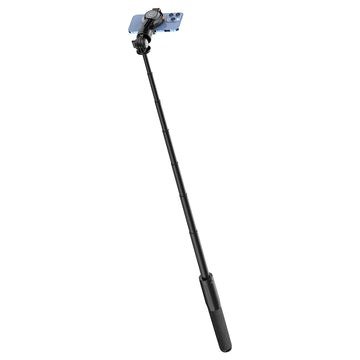
What makes these tripods particularly appealing for outdoor use is how much functionality they pack into such a small form factor. Many models double as selfie stick tripods, letting you extend the pole for wider-angle shots and then spread the legs for freestanding stability when you need it. Extendable designs offer adjustable height so you can shoot from ground level for dramatic perspectives or raise your phone above a crowd at a scenic viewpoint. Bluetooth remote capability takes things further by letting you trigger the shutter from several feet away—no rushing back into position after hitting a timer. Essentially, compact phone tripods bridge the gap between going completely gear-free and lugging around professional equipment, giving casual photographers a versatile tool that actually gets used because it’s easy to carry.
Essential Features of a Top-Notch Compact Tripod
Not all compact tripods are created equal, and knowing which features matter most can save you from buyer’s remorse on your next trail outing. Durability tops the list—outdoor terrain is unpredictable, so look for tripods built with aluminum alloy or reinforced composites that can handle being tossed into a pack alongside water bottles and trail mix without bending or snapping. Rubber-tipped or silicone-padded legs are equally important, as they grip rocky surfaces, wooden railings, and sandy ground far better than bare plastic feet.
Adjustable legs and a flexible phone mount give you the freedom to level your shot on sloped ground or tilt your camera into portrait mode for waterfall shots without improvising with sticks and stones. A selfie stick tripod design adds genuine multi-functionality—one device that extends for wide-angle group photos and then converts into a stable freestanding base in seconds. Bluetooth remote compatibility is another feature worth prioritizing, since it eliminates the need to physically tap your screen and risk nudging the phone mid-exposure. Finally, consider overall portability: the best compact tripods fold to a length that fits inside a cargo pocket and weigh so little you’ll forget they’re there until you need them. Brands like Ulanzi have focused heavily on material quality and smart engineering in these areas, helping separate a tripod you’ll actually bring along from one that stays in a drawer.
How Compact Tripods Address Casual User Needs
The real value of a compact phone tripod becomes clear when you see how naturally it fits into the situations casual photographers encounter most. These aren’t tools designed for studio professionals—they’re built for people who want better photos without a learning curve or a heavy gear bag. Whether you’re documenting a weekend getaway or trying to nail a creative shot for social media, a well-designed compact tripod removes the barriers between you and the image you actually want.
Versatility for Various Shooting Situations
A multifunctional tripod adapts to your environment rather than forcing you to adapt to it. Setting up a landscape shot at a scenic overlook? Extend the legs to full height and angle the mount toward the horizon for a perfectly level frame. Want a dramatic ground-level perspective of wildflowers with mountains in the background? Shorten the legs and position the tripod low against the earth. Time-lapses of sunsets or moving clouds become effortless when your phone stays locked in place for minutes at a time. Group photos at a trailhead no longer require flagging down a stranger—just set the tripod on a flat rock, frame the shot, and join your friends. An extendable tripod adds even more range, letting you raise your phone above obstacles like fences or tall grass to capture unobstructed views that handheld shooting simply can’t reach.
Ease of Use for Casual Photography
You shouldn’t need to read a manual to take a good photo, and compact tripods respect that. Most models set up in under ten seconds—unfold the legs, extend if needed, clip your phone into the spring-loaded mount, and you’re shooting. Bluetooth remotes pair with your smartphone in moments and work with a single button press, so even grandparents and young kids can trigger the shutter without confusion. Quick-adjust ball heads let you switch between landscape and portrait orientation with a simple twist rather than disassembling anything. This simplicity makes compact tripods ideal for family outings where everyone takes turns behind the camera, ensuring the technology stays invisible and the focus remains on enjoying the moment together.
Step-by-Step Guide to Using Your Compact Tripod Outdoors
Getting great results from your compact tripod starts with choosing a solid placement. Scout your location for a flat rock, packed dirt, or a sturdy bench—anywhere the tripod legs can sit without wobbling. On uneven ground, adjust individual legs to different lengths until the phone mount is level, and press the feet firmly into the surface so rubber tips can grip. If wind is a factor, position the tripod low and shield it with your backpack for added stability.
Once your base is secure, clip your smartphone into the mount and tighten it until there’s no play. Rotate the ball head to frame your composition, switching between landscape and portrait as the scene demands, then lock it in place. With your angle set, connect your Bluetooth remote by holding its pairing button for a couple of seconds—your phone should recognize it almost instantly. Step into the frame or move to a comfortable distance, then press the remote to fire the shutter. For time-lapses or video, start recording via the remote and let the tripod do the work while you enjoy the view. After your shoot, collapse the legs, wipe off any dirt or moisture with a dry cloth, and store the tripod in a pouch or pocket to protect the joints and mount from grit that could cause stiffness over time.
Exploring Different Types: Selfie Stick, Extendable, Bluetooth Remote, and More
With so many compact tripod styles available, understanding the differences helps you pick the right tool for your specific outdoor habits. A selfie stick tripod is the all-in-one option that appeals to travelers and social media creators—it functions as a handheld extension pole for wider selfies and vlog-style video, then converts into a freestanding tripod when you spread the base legs. This dual nature means you carry one device instead of two, which matters when every ounce in your pack counts. An extendable tripod focuses primarily on height flexibility, offering telescoping legs or a rising center column that lets you shoot from ankle height up to eye level or beyond. This type excels at scenic overlooks where you need to clear a railing or at crowded viewpoints where elevation gives you a cleaner composition.
A Bluetooth remote tripod prioritizes wireless shutter control above all else, pairing seamlessly with your phone so you can stand twenty or thirty feet away and still fire the camera without a timer countdown. It’s the best choice for solo hikers who want full-body shots on empty trails or couples who refuse to crop themselves awkwardly. Then there are multifunctional tripods that blend all these capabilities—extendable pole, stable legs, and remote included—into a single package designed for users who face varied shooting scenarios on every outing. When choosing, consider your most common activity: if you mostly hike alone, remote functionality matters most; if you travel with groups, the selfie stick design earns its keep daily; and if creative composition drives you, extendable height will open up angles you never knew existed.
Elevate Your Outdoor Photography With the Right Compact Tripod
Compact phone tripods solve the most common frustrations outdoor smartphone photographers face—blurry images from shaky hands, the inability to include everyone in group shots, and the creative limitations of shooting everything at arm’s length. By providing a stable, adjustable platform that weighs next to nothing, these tools unlock sharper landscapes, smooth time-lapses, and perfectly framed compositions that handheld shooting simply cannot match. Their versatility means a single device can serve as a selfie stick for vlogging, an extendable tripod for elevated angles, and a Bluetooth-enabled remote platform for hands-free capture, all while folding small enough to tuck into a pocket.
For casual users who value simplicity, compact tripods deliver professional-feeling results without demanding technical expertise or adding bulk to a daypack. They fit seamlessly into family vacations, solo hikes, and everything in between, ensuring the technology enhances the experience rather than complicating it. If you’ve ever deleted a blurry sunset photo or wished you could step into the frame at a breathtaking viewpoint, a compact phone tripod is the small investment that makes a big difference. Pick one up before your next adventure and see how much better your outdoor photos can be.