A kitchen is one of the busiest areas in any home, and the hob plays a central role in preparing daily meals. Whether you enjoy cooking elaborate dinners or simply need a reliable appliance for quick family meals, selecting the right hob can make a noticeable difference. Modern hobs are designed to offer greater convenience, improved energy efficiency, and better cooking performance than ever before. With several options available on the market, understanding their features and benefits can help homeowners make a choice that suits both their cooking style and lifestyle.
Today’s hobs are available in different technologies, sizes, and designs, making them suitable for everything from compact apartments to spacious family kitchens. By learning how each type works and what advantages it offers, buyers can invest in an appliance that provides long-term value and dependable performance.
Understanding the Main Types of Kitchen Hobs
Kitchen hobs generally fall into three main categories: gas, electric, and induction. Although they all serve the same purpose, they operate differently and provide unique cooking experiences. The best choice often depends on personal preferences, cooking habits, and the existing kitchen setup.
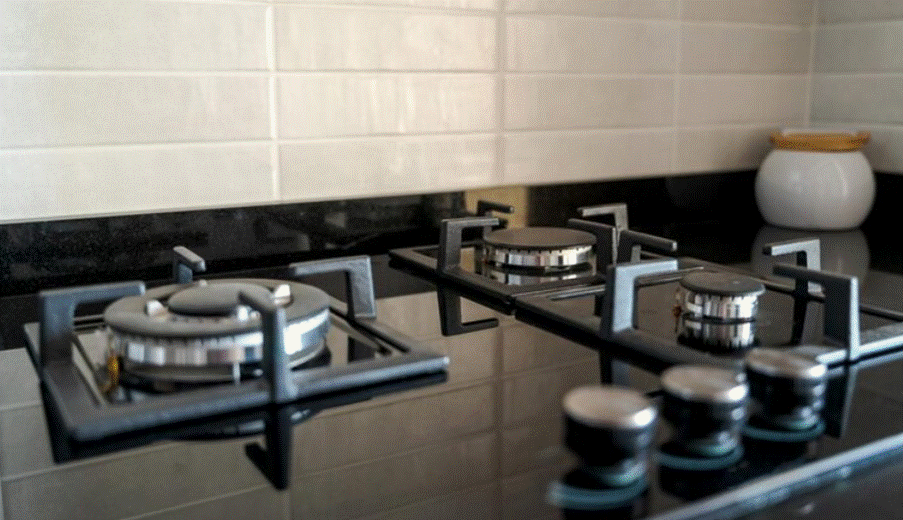
Gas hobs remain one of the most popular choices among home cooks and professional chefs. They provide an open flame that delivers instant heat, allowing users to increase or reduce the temperature immediately. This level of control is especially useful when preparing dishes that require precise cooking. Since gas hobs are compatible with nearly every type of cookware, they continue to be a practical option for many households.
Electric hobs have become increasingly common because of their sleek appearance and user-friendly design. Most modern electric models feature a smooth ceramic surface that blends well with contemporary kitchens. Heating elements beneath the glass surface warm the cookware evenly, making them suitable for everyday cooking. Their flat surface also makes cleaning much easier after meals.
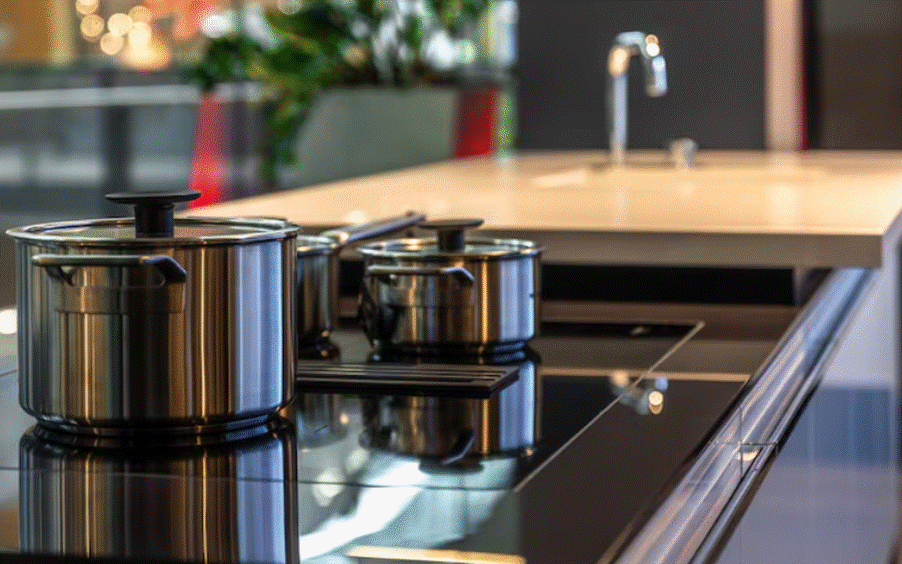
Induction hobs represent the latest advancement in cooking technology. Instead of heating the cooking surface itself, induction models generate electromagnetic energy that directly heats compatible cookware. This process is highly efficient because very little energy is wasted. Food cooks faster, and the hob surface remains much cooler than traditional alternatives, improving safety for families.
Cooking Performance and Temperature Control
One of the most important factors when selecting a hob is how well it controls heat. Every cooking style requires different temperature adjustments, whether simmering sauces, boiling water, frying meat, or preparing delicate desserts.
Gas hobs are widely appreciated for their immediate response. When the flame is adjusted, the cooking temperature changes instantly. This responsiveness gives cooks greater confidence when following recipes that demand precise heat control.
Electric hobs provide consistent heat once they reach the desired temperature. Although they usually take a little longer to heat up and cool down compared to gas, they offer reliable performance for everyday cooking. Many users appreciate the even heat distribution that ceramic surfaces provide.
Induction hobs combine the advantages of both systems by heating cookware rapidly while allowing precise temperature adjustments. Their quick response makes them ideal for busy households where speed and efficiency are important.
Selecting the Right Size for Your Kitchen
Kitchen size and cooking habits should influence the size of the hob you choose. Smaller households or apartments may only require two cooking zones, while larger families often benefit from four or five burners that allow several dishes to be prepared simultaneously.
Modern hobs are available in a wide variety of widths and configurations, making it easy to find one that fits existing countertops. Some models feature larger cooking zones designed for stockpots, while others include flexible cooking areas that automatically adjust to different pan sizes.
Choosing an appropriate layout improves comfort while cooking and allows better organisation when preparing multiple meals at once.
See also: Enhancing Automotive Business Operations for Financial Efficiency
Modern Features That Improve Daily Cooking
Today’s hobs include a range of advanced features that improve convenience, safety, and cooking precision. Traditional control knobs remain popular because they are simple and familiar, while touch-sensitive controls provide a sleek appearance and highly accurate temperature adjustments.
Many premium models include built-in timers, automatic shut-off systems, child safety locks, and residual heat indicators. These features help prevent accidents while making cooking less stressful for busy households.
Some induction hobs can even recognise the size and position of cookware, directing heat only where it is needed. This not only improves efficiency but also helps reduce unnecessary energy consumption.
Cleaning and Long-Term Maintenance
Keeping kitchen appliances clean contributes to both hygiene and longevity. Fortunately, many modern hobs have been designed with maintenance in mind.
Ceramic and induction hobs feature smooth glass surfaces that can usually be cleaned with a soft cloth after cooking. Since food spills are less likely to burn onto the surface immediately, cleaning requires very little effort.
Gas hobs typically require more detailed cleaning because food particles and grease can accumulate around burners and pan supports. However, regular maintenance keeps them functioning efficiently and helps preserve their appearance.
Whichever type of hob you choose, cleaning it regularly will help extend its lifespan while ensuring safe operation.
Safety Features for Modern Homes
Safety is an important consideration, particularly in homes with children or elderly family members. Manufacturers have introduced numerous safety features that make today’s hobs more secure than older models.
Induction hobs are considered among the safest because the cooking surface stays relatively cool during use. Heat is generated only inside compatible cookware, reducing the risk of accidental burns. Many models also switch off automatically when cookware is removed.
Gas hobs often include flame failure protection, which automatically stops the gas supply if the flame is extinguished unexpectedly. Electric hobs commonly feature residual heat indicators that warn users when the surface remains hot after cooking.
These technologies provide greater peace of mind while supporting safer everyday cooking.
Energy Efficiency and Environmental Benefits
As energy costs continue to rise, many homeowners look for appliances that reduce electricity or gas consumption. Choosing an energy-efficient hob can lower utility bills while supporting environmentally responsible living.
Induction technology leads in energy efficiency because it transfers heat directly into the cookware with minimal waste. Cooking is completed more quickly, reducing overall energy use.
Electric ceramic hobs also provide reasonable efficiency, although some heat is lost during the transfer process. Gas hobs remain highly effective for many cooking tasks but generally release more heat into the surrounding kitchen, making them slightly less energy efficient than induction models.
Over time, investing in an efficient appliance can provide both financial savings and environmental benefits.
Design and Smart Technology
Kitchen appliances have become an important part of modern interior design, and hobs are no exception. Manufacturers now produce stylish models with elegant glass finishes, minimalist controls, and integrated installation that creates a seamless countertop appearance.
Some advanced hobs also include smart technology that allows users to monitor settings through mobile applications or integrate the appliance with other smart home devices. These innovations provide additional convenience while reflecting the growing popularity of connected kitchens.
Although appearance should never outweigh performance, selecting a hob that complements the kitchen’s overall design helps create a more attractive and enjoyable cooking space.
Finding the Best Hob for Your Lifestyle
Every household has different cooking needs, which means there is no universal solution when choosing a hob. Gas models continue to appeal to cooks who enjoy traditional flame control, while ceramic electric hobs offer simplicity and elegant styling. Induction hobs provide outstanding speed, safety, and energy efficiency, making them an increasingly popular choice for modern homes.
Before making a purchase, it is worth considering cooking frequency, available kitchen space, installation requirements, and long-term operating costs. A carefully selected hob becomes more than just another appliance. It becomes an essential part of everyday life, helping families prepare meals comfortably, safely, and efficiently for many years. By understanding the strengths of each type, homeowners can confidently choose a hob that perfectly matches their lifestyle and enhances the overall kitchen experience.