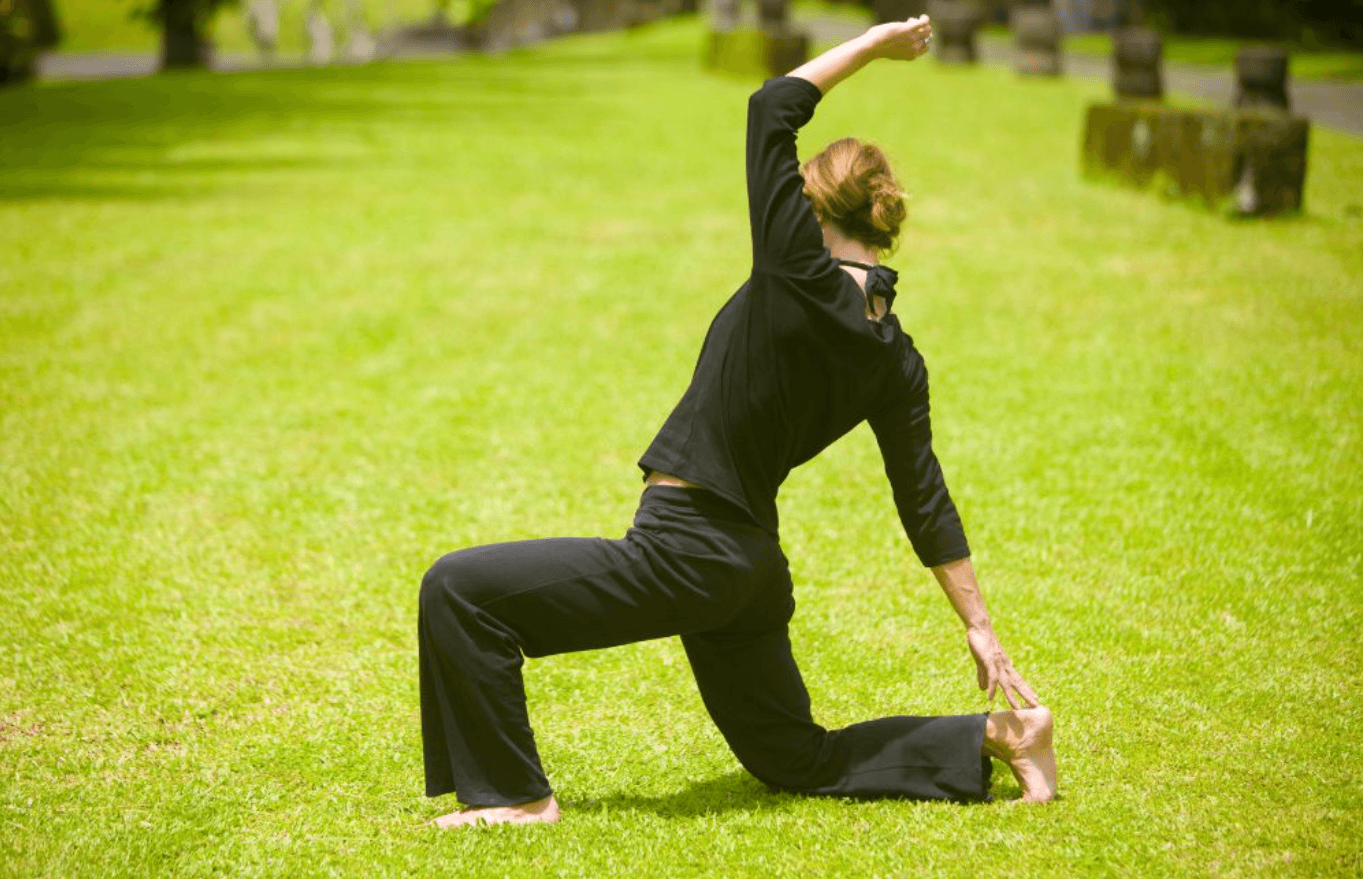
In today’s fast-paced world, stress, anxiety, and mental fatigue have become part of everyday life. Many people turn to meditation, yoga, or therapy to find balance—but there’s another powerful, lesser-known approach that blends movement and awareness: the Feldenkrais Method.
By combining gentle physical movement with mindful attention, this method offers a unique pathway to improving mental wellness. It doesn’t just focus on the body—it transforms how you think, feel, and respond to stress.
Understanding the Connection Between Movement and Mindfulness
Mindfulness is the practice of being fully present in the moment—aware of your thoughts, sensations, and surroundings without judgment. While many associate mindfulness with stillness or meditation, it can also be experienced through movement.
This is where the Feldenkrais Method stands out.
Rather than forcing the body into positions or pushing through discomfort, Feldenkrais encourages slow, intentional movements that bring awareness to habitual patterns. These patterns often develop unconsciously over time due to stress, injury, or repetitive behavior.
By becoming aware of how you move, you begin to notice how you think—and that’s where real change begins.
How the Feldenkrais Method Supports Mental Wellness
The Feldenkrais Method works directly with the nervous system, helping to shift it from a state of stress (fight-or-flight) to relaxation (rest-and-digest). This shift has a profound impact on mental health.
Here are a few ways it supports mental wellness:
1. Reduces Stress and Anxiety
Gentle, mindful movement helps calm the nervous system. As you slow down and focus on sensation, your body naturally releases tension. This can reduce anxiety levels and promote a sense of calm.
2. Improves Emotional Awareness
As you tune into your body, you also become more aware of your emotional state. Many emotions are stored physically—tight shoulders, clenched jaws, shallow breathing. Feldenkrais helps you recognize and release these patterns.
3. Enhances Focus and Clarity
Practicing mindful movement improves your ability to concentrate. You learn to pay attention to subtle differences in movement and sensation, which strengthens overall mental clarity.
4. Encourages a Non-Judgmental Mindset
Unlike traditional exercise, there’s no “right” or “wrong” way to move. This creates a safe space for exploration without pressure, helping you develop self-compassion and reduce negative self-talk.
Read also: The Hidden Secrets of Financial Health
Feldenkrais as Moving Meditation
Many people struggle with seated meditation because their minds feel too busy. The Feldenkrais Method offers an alternative: movement-based mindfulness.
Each session, often called an “Awareness Through Movement” lesson, guides you through simple, slow movements. The goal isn’t to stretch or strengthen—it’s to notice.
- How does your body feel?
- Where is there effort or ease?
- What happens when you change something slightly?
This curiosity turns movement into meditation. Instead of trying to quiet your mind, you gently redirect it toward sensation and experience.
Over time, this practice helps you become more present—not just during sessions, but in everyday life.
Breaking the Cycle of Stress and Tension
Stress often creates physical tension, and that tension reinforces stress—it’s a cycle. For example, when you’re anxious, you might tighten your shoulders or hold your breath. This physical state signals your brain to stay alert, keeping you stuck in stress mode.
The Feldenkrais Method interrupts this cycle.
By introducing new, more efficient movement patterns, it teaches your body that it’s safe to relax. As your body changes, your mental state follows.
This is why many people report not just physical relief, but also improved mood, better sleep, and a greater sense of ease.
Personalized Guidance Matters
While group classes are effective, working with a trained Feldenkrais practitioner can deepen the experience. Practitioners use gentle, hands-on techniques (called Functional Integration) to guide your body toward more efficient movement patterns.
This personalized approach can be especially helpful if you’re dealing with chronic stress, anxiety, or movement limitations. It allows for a deeper understanding of your unique habits and how they relate to your mental well-being.
Bringing Mindfulness Into Everyday Life
One of the most valuable aspects of the Feldenkrais Method is that it extends beyond sessions. The awareness you develop becomes part of your daily routine.
You might start noticing:
- How you sit at your desk
- How you walk or stand
- How you react to stressful situations
Small changes in these everyday actions can lead to significant improvements in both physical comfort and mental clarity.
For those exploring the Feldenkrais method Seattle services or similar offerings in their area, incorporating this practice into your routine can be a powerful step toward long-term wellness.
Who Can Benefit?
The beauty of the Feldenkrais Method is its accessibility. It’s suitable for people of all ages and fitness levels.
It may be especially helpful for:
- Individuals experiencing stress or anxiety
- People with chronic pain or tension
- Office workers with posture-related discomfort
- Anyone seeking a gentle, mindful approach to health
You don’t need prior experience with movement practices or mindfulness to begin.
A Gentle Yet Powerful Approach
In a world that often encourages pushing harder and doing more, the Feldenkrais Method offers a refreshing alternative: slow down, pay attention, and move with awareness.
By connecting movement with mindfulness, it creates a bridge between physical and mental health. The result is not just reduced pain or better posture—but a calmer, more resilient mind.
If you’re looking for a natural way to support your mental wellness, this approach may offer exactly what you need—a chance to reconnect with your body, quiet your mind, and move through life with greater ease.