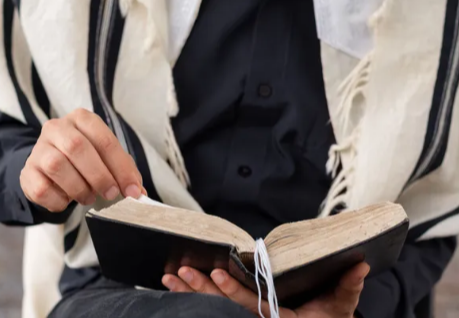
Throughout human history, rituals have helped people navigate grief, transform loss into memory, and honor lives lived. Literature, art, and religious traditions are filled with symbolic acts surrounding death—candles lit, flowers placed, poems recited. In the modern era, funeral directors remain the stewards of these traditions while also helping families create new forms of remembrance. Their work bridges the gap between symbolic expression and practical support, making them key figures in how we collectively remember and heal.
Why Symbolism Matters in Grief
Grief is both deeply personal and universally experienced. Symbolic acts allow people to externalize emotions that are often difficult to articulate. A eulogy can become a narrative of love and legacy. A song choice might capture emotions words cannot. Funeral directors understand the healing power of symbolism and guide families through decisions that help transform services into meaningful rituals. Whether it’s selecting readings from literature, incorporating cultural symbols, or designing personalized memorials, their insight helps families channel grief into memory.
Funeral Directors as Custodians of Tradition
Every culture has its own symbolic practices around death. In some traditions, white represents mourning; in others, black or even vibrant colors mark the occasion. Literature and art often reflect these traditions, weaving them into stories that endure across generations. Funeral directors act as custodians of these practices, ensuring rituals are carried out with respect and authenticity. They advise families on traditions specific to their culture or faith, while also helping adapt these practices to contemporary needs. In this way, funeral directors safeguard both heritage and healing.
Literature and the Language of Farewell
Books and poetry often play a central role in funerals. Families may choose verses from classics, contemporary writers, or even personal writings to reflect the values and spirit of the person who has passed. Funeral directors help families incorporate these literary elements, whether by structuring a service around a favorite poem or weaving quotes into memorial programs. The written word becomes a bridge between the deceased and the living, offering comfort, reflection, and a sense of continuity.
Artistic Expression in Memorials
Art has always been a medium for remembrance. Portraits, sculptures, stained glass, and even handcrafted keepsakes provide tangible expressions of love and memory. Modern funeral directors increasingly collaborate with artists, photographers, and designers to create personalized memorials. Some families commission paintings or illustrations, while others design multimedia presentations that capture a life in images, video, and sound. By guiding families through these artistic options, funeral directors help transform funerals into celebrations of life rich in creativity and meaning.
The Rise of Symbolism in Modern Services
While tradition remains important, contemporary funerals often incorporate new symbols tailored to personal stories. A fisherman’s service might feature nets and boats; a gardener’s farewell could be filled with blooms from their own backyard. Funeral directors help families craft these personalized elements, ensuring they are respectful and cohesive. Symbolism evolves with time, and today’s services may include everything from digital memorial walls to biodegradable balloons. What remains constant is the way these acts provide comfort and connection in moments of loss.
Healing Through Ritual and Story
Psychologists emphasize the therapeutic power of ritual. Symbolic acts provide structure to grief, giving mourners something to hold onto when emotions feel overwhelming. Funeral directors are not therapists, but their work often supports the healing process by providing space for story, memory, and symbolic closure. When a family gathers to light candles, release doves, or share readings, they are participating in a collective act of healing. These rituals help transform grief into shared remembrance, easing the burden of loss.
Cross-Cultural Symbolism and Global Influence
Globalization has exposed many people to diverse cultural practices around death. Funeral directors today often work with families who wish to incorporate elements from multiple traditions—blending literature, music, and symbolic acts across cultures. A service might feature Christian hymns alongside Buddhist chants or Indigenous storytelling alongside modern poetry. This cross-cultural symbolism enriches services and reflects the interconnectedness of today’s world. Funeral directors, with their sensitivity and expertise, help navigate these blended rituals with care and respect.
Symbolism in the Digital Age
In the past, symbolism in funerals was tied to physical rituals—flowers, candles, prayers. Today, digital platforms have expanded what remembrance can look like. Families create online memorial pages filled with photos and messages. Virtual candles are lit, and digital guestbooks allow people from across the globe to participate. Funeral directors now assist families in navigating these platforms, ensuring the digital symbols of remembrance are treated with the same dignity as traditional rituals. For many, these online spaces become living archives of memory and connection.
The Continuing Evolution of Funeral Directing
The profession of funeral directing has always evolved with society, and the use of symbolism is no exception. As new art forms, literary movements, and cultural practices emerge, funeral directors adapt their services to reflect them. They act not only as organizers but also as guides—helping families find the right words, images, and rituals to honor their loved ones. This adaptability ensures that funerals remain relevant, personal, and deeply meaningful, no matter how much culture changes.
Honoring Life Through Symbols
Funeral directors play a quiet but profound role in shaping the way we remember and heal. Through literature, art, and ritual, they help families create ceremonies that are rich in symbolism and personal meaning. These acts of remembrance provide comfort, preserve heritage, and celebrate life in ways that resonate across generations. In a world where grief is universal but expression is deeply personal, funeral directors ensure that the art of remembrance continues to evolve—bridging past, present, and future through the power of symbols.