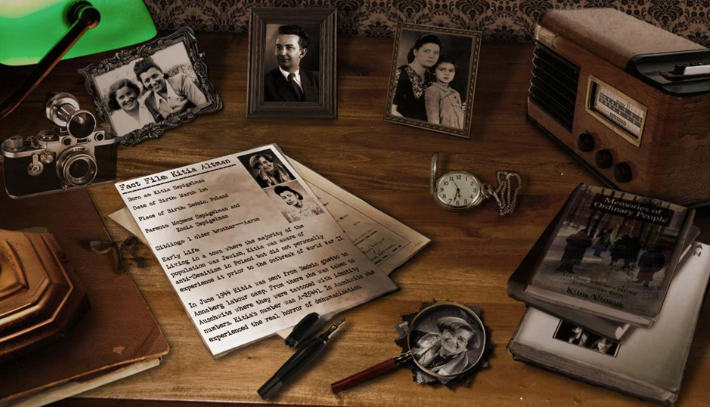
When we think about the World Wars, images of trenches, tanks, and generals often dominate the narrative. Yet the vast majority of people who lived through World War I and World War II never fired a weapon. Their experience unfolded in kitchens, factories, shelters, schools, and long lines for food. Understanding how ordinary people lived through these conflicts reveals a deeper, more human history of war.
Life Before the Wars: Expectations and Illusions
A World Unprepared for Total War
In 1914, most Europeans believed war would be short. Newspapers predicted victory within months. Families sent sons to the front with confidence rather than despair.
Very few civilians understood what total war would mean:
- Entire economies redirected to warfare
- Civilian populations becoming strategic targets
- Daily life governed by rationing and regulations
World War II repeated this pattern. Even in the late 1930s, many civilians underestimated how deeply war would invade private life.
Daily Life Under Wartime Conditions
Food Shortages and Rationing
One of the most universal civilian experiences was hunger.
During World War I:
- Urban populations suffered more than rural ones
- Bread, meat, sugar, and fats were strictly rationed
- Malnutrition became widespread by 1917
In World War II, rationing systems became more organized but no less intrusive. In Britain, adults survived on carefully calculated calories. In occupied Europe, rations often fell below survival levels.
Historical studies show that women and children were disproportionately affected, as they were more likely to sacrifice food for others.
Housing, Heating, and Basic Comfort
Coal shortages meant cold homes. Electricity was unreliable. Bombing destroyed millions of houses across Europe and Asia.
For civilians, “home” often meant:
- Overcrowded apartments
- Temporary shelters
- Constant readiness to flee
The psychological toll of losing personal space and security was immense.
Work, Labor, and Survival
The Transformation of Civilian Labor
Wars radically reshaped civilian work.
World War I introduced mass female employment in factories. World War II expanded this further:
- Women became essential industrial workers
- Teenagers and elderly people filled labor shortages
- Workdays grew longer and more dangerous
This shift permanently altered social structures, especially gender roles.
Moral Choices and Gray Zones
Not all work was voluntary. Civilians faced moral dilemmas:
- Working for occupying forces to survive
- Participating in black markets
- Choosing between legality and feeding one’s family
Historians emphasize that survival often required compromise rather than heroism.
Fear, Bombing, and Psychological Trauma
Living With Constant Threat
World War II introduced sustained aerial bombing of civilian areas.
In cities like London, Dresden, Tokyo, and Hamburg:
- Air raids became routine
- Families slept in shelters or basements
- Children learned to identify aircraft sounds
Psychological studies conducted after the war documented widespread anxiety, insomnia, and long-term trauma among civilians, even those never physically injured.
Children at War
Children experienced war differently but no less intensely.
Their lives were shaped by:
- Evacuations to unfamiliar regions
- Interrupted education
- Early exposure to death and destruction
Many survivors later described childhood memories defined by fear, confusion, and sudden responsibility.
See also: Lifestyle Strategies for Supporting Sustainable Weight Balance
Information, Propaganda, and Rumors
How Civilians Understood the War
Access to reliable information was limited.
Governments controlled:
- Newspapers
- Radio broadcasts
- Official announcements
As a result, rumors flourished. People relied on:
- Word of mouth
- Foreign broadcasts
- Personal interpretation of events
At this point in the civilian experience, perception often mattered more than reality. To understand how propaganda shaped everyday understanding and personal decisions, historians encourage readers to read more accounts based on letters and diaries rather than official narratives.
Community, Solidarity, and Breakdown
Mutual Aid and Social Bonds
Despite hardship, wars also strengthened community ties.
Common examples included:
- Shared meals
- Neighborhood childcare
- Informal support networks
In many regions, survival depended on cooperation rather than individual strength.
Social Tensions and Conflict
At the same time, scarcity bred conflict:
- Accusations of hoarding
- Distrust toward outsiders
- Tension between civilians and authorities
Wars amplified both solidarity and division.
Civilians in Occupied Territories
Life Under Occupation
Occupation created a unique civilian experience.
Occupied populations faced:
- Curfews and surveillance
- Forced labor
- Arbitrary punishment
Ordinary routines became acts of quiet resistance: maintaining traditions, teaching children, preserving language.
Resistance as Daily Choice
Resistance was not always armed. For many civilians, it meant:
- Hiding food
- Protecting neighbors
- Small acts of non-compliance
Historians stress that resistance existed on a spectrum, not as a single heroic act.
Health, Disease, and Medical Reality
Civilian Health in Wartime
Medical care deteriorated rapidly:
- Hospitals overwhelmed or destroyed
- Shortages of medicine
- Spread of infectious diseases
World War I’s influenza pandemic alone killed more civilians than the war itself.
Mental health, though rarely discussed at the time, suffered on a massive scale.
The End of War: Relief and Disorientation
Liberation Was Not Immediate Recovery
The end of fighting did not mean normal life resumed.
Civilians faced:
- Displacement
- Ruined infrastructure
- Missing family members
Many experienced post-war trauma, grief, and uncertainty about the future.
Memory and Silence
After both World Wars, many civilians chose silence. Their experiences were:
- Too painful
- Politically inconvenient
- Considered unimportant compared to military history
Only decades later did historians begin systematically documenting civilian voices.
Why Civilian Experiences Matter
Understanding how ordinary people experienced World Wars reshapes our understanding of history.
Wars were not only fought by soldiers. They were lived by civilians — day after day, decision after decision, under pressure few generations ever face.
By studying these experiences, we gain insight into:
- Human resilience
- Social adaptation
- The true cost of war
Conclusion: War as a Human Condition
World Wars transformed the lives of ordinary people in ways that extended far beyond battlefields. Hunger, fear, adaptation, moral ambiguity, and endurance defined the civilian experience.
To remember war only through military victories is to miss its deepest truth: war is primarily a civilian experience, endured quietly by millions whose stories deserve to be told.