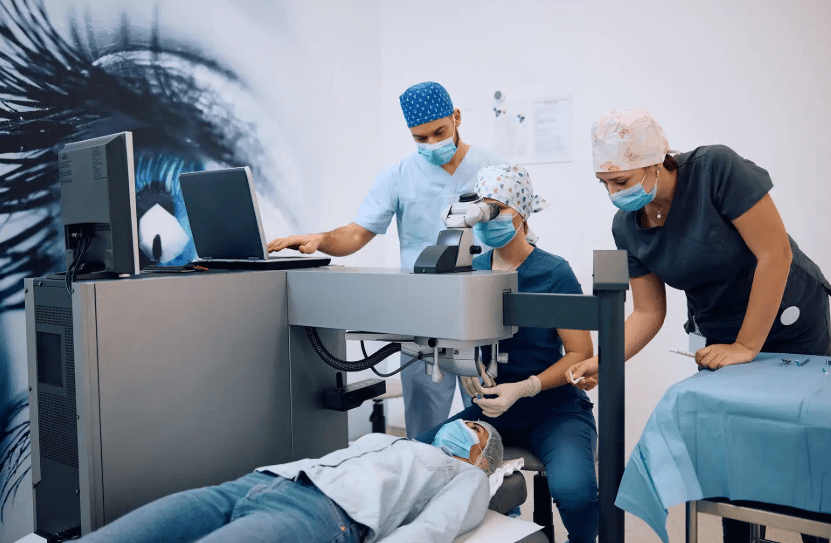
Cataracts affect more than 100 million people globally, and nearly 70 million suffer from moderate to severe vision loss in both eyes as a result. Of these, around 17 million experience complete blindness. Cataract surgery has come a long way in the last few decades. What was once a complex procedure requiring lengthy hospital stays is now one of the safest and most commonly performed surgeries worldwide. Today, the focus isn’t just on removing a cloudy lens-it’s about improving the patient’s vision, comfort, and quality of life with the least disruption possible.
Yet, if you or a loved one is preparing for cataract surgery, it’s natural to feel uncertain about the process. What does it involve now? Are lasers better than traditional methods? How soon can you get back to your daily routine? Understanding the latest advances can make the whole experience feel less daunting, and help you choose the care that’s right for you.
In this article, we’ll walk through the key advancements in cataract surgery, explain how they benefit patients, and highlight what you should expect when opting for a modern approach. If you’re curious about how far the field has come, understanding modern cataract surgery techniques can offer clarity and confidence as you prepare for the road ahead.
To help you prepare with confidence, this guide offers insights into understanding modern cataract surgery techniques, including what’s changed and why these updates matter.
From Inpatient Stays to Same-Day Procedures
Decades ago, cataract surgery was a lengthy, inpatient process. Patients would spend days in the hospital, often with extended recovery times and limited vision improvement. Today, things look very different. Thanks to technological progress and refined techniques, most procedures are completed within 15 to 30 minutes and don’t require an overnight stay.
What changed? Innovations like smaller incisions, faster healing times, and safer anaesthesia have made cataract surgery more efficient and accessible. This shift means patients can return home the same day and resume many normal activities within a few days, rather than weeks.
The Rise of Laser-Assisted Cataract Surgery
One of the most significant breakthroughs in recent years is the development of femtosecond laser-assisted cataract surgery (FLACS). The use of ultrashort laser pulses for cataract removal was first proposed in a 1992 US patent, laying early groundwork for what later became laser-assisted techniques.
Unlike traditional surgery, which uses handheld tools, FLACS employs a computer-guided laser to perform key steps with high precision. This includes making corneal incisions, softening the cataract, and opening the lens capsule.
The result? More predictable outcomes, less trauma to the eye, and in some cases, faster recovery. While not everyone needs laser-assisted surgery, for certain patients, especially those with astigmatism or complex eye conditions—it can offer better visual results.
See also: The Advantage of Comprehensive Employee Health Coverage
Advanced Intraocular Lenses (IOLs)
Another area of innovation is in the types of intraocular lenses (IOLs) available. Traditionally, patients received monofocal lenses that corrected distance vision only, often requiring reading glasses afterward. Today’s patients have more options, including:
- Multifocal IOLs – provide clear vision at multiple distances
- Toric IOLs – correct astigmatism
- EDOF (Extended Depth of Focus) IOLs – offer a wider range of vision with fewer visual disturbances
These newer lenses allow patients to tailor their post-surgery vision to their lifestyle. Whether you drive frequently, use a computer all day, or enjoy reading without glasses, there’s likely an IOL that fits your needs.
Improved Safety and Monitoring
Modern cataract surgery is also safer than ever. Advanced imaging systems help surgeons plan procedures with millimetre-level accuracy. Tools like optical coherence tomography (OCT) give detailed cross-sectional images of the eye, allowing for better decision-making before and during surgery.
Additionally, preoperative measurements and lens calculations have become more precise. This significantly reduces the chance of post-surgery surprises, such as unexpected refractive errors or vision imbalance between the eyes.
Why These Changes Matter
These advancements go beyond technology and directly shape the patient experience. Here’s how modern techniques compare to traditional ones:
- Shorter recovery time: Traditional cataract surgery often meant several days in the hospital and weeks of limited activity. Today’s techniques allow most people to go home the same day and resume light activities quickly.
- Better visual outcomes: With modern equipment and customised lenses, patients are more likely to achieve clear, comfortable vision tailored to their lifestyle—something older methods could not guarantee.
- Increased comfort and safety: Smaller incisions and laser precision mean fewer complications, less discomfort, and faster healing.
- Greater personalisation: Patients today can choose from a wider range of lenses and surgical options, making it easier to match the procedure to their specific visual needs.
- More predictable results: Advances in measurement and imaging mean fewer surprises after surgery and higher satisfaction rates.
Together, these improvements help patients recover faster, see better, and feel more confident about the care they’re receiving.
Choosing the Right Provider
Not every clinic offers the same level of technology or patient care. When exploring your options, it helps to ask about the techniques and equipment used, the types of IOLs offered, and what kind of recovery support you can expect. An experienced provider will not only use the latest tools but will also guide you through the process with clarity and compassion.
If you’re considering cataract surgery in the UK, The Vision Surgeon offers a full range of advanced techniques and lenses, ensuring that your care is tailored to your unique needs.
Final Thoughts
Cataract surgery is no longer just about removing a cloudy lens, it’s about restoring the vision that lets you live life on your terms. With modern advancements, patients now have more choices, safer procedures, and better results than ever before.
If you’re preparing for surgery or exploring your options, take the time to learn about the techniques available and the care you deserve. Today’s cataract surgery is designed with your comfort, safety, and vision in mind, and the right provider will help you see the difference.