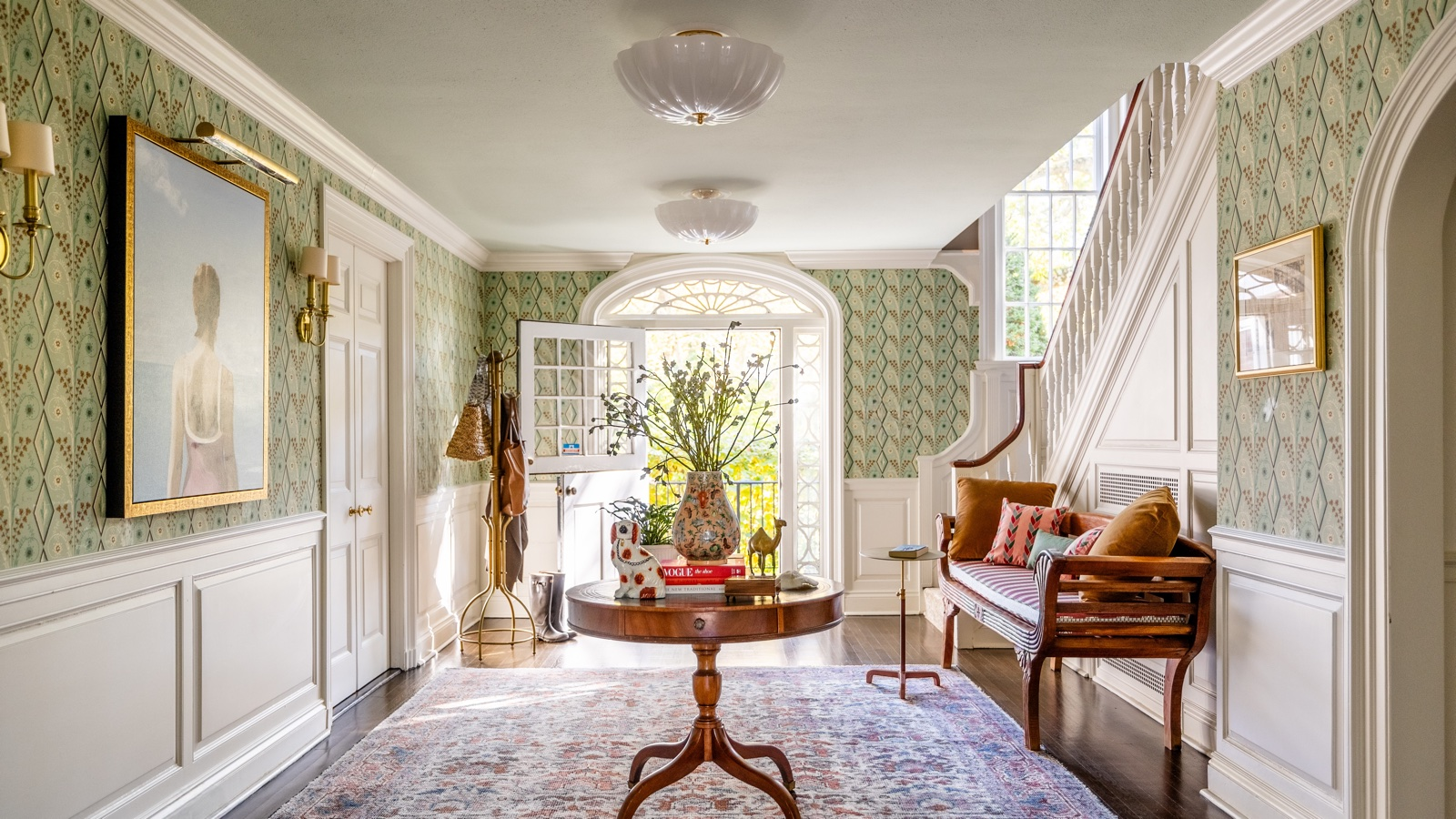
Have you ever stepped into a room and felt an immediate sense of warmth and history just from the walls? That’s the subtle power of classic wallpaper. In our fast-paced world of plain paints and digital designs, these timeless patterns offer a refreshing throwback. They’re not just decor; they’re a way to infuse personality and storytelling into your space. This article explores the rich background, popular styles, and practical tips for incorporating classic wallpaper today. Whether you’re a design enthusiast or simply curious, let’s uncover what makes it so special.
A Brief History of Wallpaper Through the Ages
The story of classic wallpaper begins long before it became a home staple. Ancient civilizations laid the groundwork. The Egyptians, for instance, used papyrus sheets with intricate drawings to adorn their tombs, blending art with daily life motifs. By the 200s BC in China, artisans were hand-painting rice paper with serene landscapes, birds, and flowers—true luxuries for the wealthy.
Europe didn’t catch on until the Renaissance. Trade with Asia introduced exotic papers, and by the 1500s, French and English nobility were using them to imitate costly tapestries. Flock wallpaper emerged as a favorite, with its velvet-like texture created by adhering fine fibers to the surface. It was all about prestige, turning ordinary rooms into showcases of affluence.
The 18th-Century Boom and Beyond
The real transformation happened in the 1700s, thanks to printing innovations. Suddenly, wallpaper was more affordable and varied. French toile de Jouy patterns depicted idyllic countryside scenes in muted tones, capturing the romantic spirit of the time. Across the channel, English chintz exploded with vibrant florals influenced by Indian textiles.
As the Regency era dawned, designs shifted to stripes and neoclassical elements, echoing ancient architectures. Victorians took it further with opulent damasks, paisleys, and even gilded accents. Figures like William Morris pushed back against industrialization, crafting hand-blocked wallpapers inspired by nature. His “Willow Bough” design, for example, remains iconic, symbolizing a return to artisanal quality.
Defining Classic Wallpaper Styles
So, what counts as “classic”? It’s those enduring patterns from the 18th to early 20th centuries that emphasize elegance over fleeting trends. Each style has its own flavor, suited to different moods and rooms.
Damask and Symmetrical Elegance
Damask wallpapers feature tonal motifs like scrolling vines or heraldic symbols. They’re understated yet sophisticated, ideal for formal areas like living rooms or studies. The play of light on their subtle textures adds depth without overwhelming the eye.
Chinoiserie: A Touch of the Exotic
Drawing from Asian aesthetics, chinoiserie brings whimsy with pagodas, dragons, and blooming branches. It’s perfect for adding adventure to a space—think a powder room or bedroom accent wall. These designs often use soft colors, making them versatile for blending with modern furniture.
Art Nouveau and Deco Influences
Art Nouveau introduced flowing, organic lines with stylized plants and curves, thanks to artists like Alphonse Mucha. It feels poetic and alive. Then came Art Deco in the 1920s, with geometric boldness: zigzags, sunrays, and metallic sheens that evoke jazz-age glamour. These are great for injecting energy into contemporary settings.
See also: Smart Wardrobe Interior Design Ideas for Hyderabad Homes
Materials and Craftsmanship Behind the Scenes
The charm of classic wallpaper lies in its make. Traditionally, it was pure paper, sometimes linen-backed for strength. Hand-blocking was labor-intensive—carving wood blocks, inking them, and pressing repeatedly. This method built layers of color and detail, explaining the premium feel.
Today, reproductions might use vinyl for durability or non-woven fabrics for easy hanging. Flock still employs fibers for that tactile luxury, while embossed options like Anaglypta mimic carved surfaces. For authenticity seekers, eco-friendly versions with vegetable inks and recycled bases are gaining ground.
Installation and Care Tips
Bringing classic wallpaper home isn’t as daunting as it sounds. Start with smooth walls; any bumps show through. Use quality paste to avoid mishaps. If you’re not committing long-term, removable options are a godsend for renters.
Maintenance? A soft brush for dusting suffices. For spots, dab with soapy water—but patch-test first. In steamy spots like bathrooms, choose moisture-resistant types. And if you’re in an older home, peeling back layers might reveal surprises, like hidden gems from decades past.
Bringing Classic Wallpaper into Modern Life
Classic doesn’t mean outdated. It’s adaptable. Pair a floral Victorian print with minimalist pieces for contrast, or use stripes to trick the eye in narrow halls. Designers love mixing: Art Deco in a sleek kitchen or toile in a cozy nook.
Sustainability adds to its appeal—many brands now focus on green practices. Plus, in a throwaway culture, these wallpapers last, becoming part of your home’s narrative. They’re not just walls; they’re conversation pieces that reflect your tastes.
Why Classic Wallpaper Still Matters
In the end, classic wallpaper endures because it connects us to the past while fitting the present. It offers texture, color, and story in ways paint can’t match. If you’re redecorating, consider rolling out a pattern instead of brushing on blandness. It might just turn your space into something truly memorable.