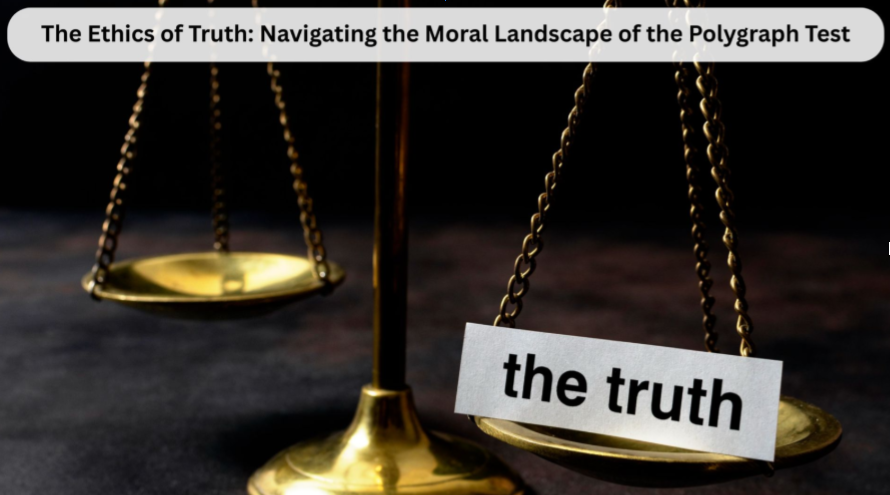
The polygraph’s moral landscape is quite nuanced. On the one hand are people who strongly believe that lie detector tests are morally and ethically justifiable.
According to polygraph proponents, the technique can be incredibly reliable if professionally conducted. Such people draw from industry benchmarks by the American Polygraph Association (APA), which suggest that specific-issue lie detector tests administered using validated techniques can achieve accuracy scores of over 90%.
Yet, on the other hand, there are fierce critics who are quick to dismiss polygraph exams as a sheer waste of time. Most skeptics take issue with the fact that lie detector tests have yet to garner consensus in the scientific community despite intense lobbying over the years.
But why is there such a gaping moral and ethical divide surrounding polygraph use?
To address that question conclusively, it’s important to outline the moral arguments for and counterarguments against lie detector tests.
Moral Arguments In Favor Of Polygraph Tests
1. Based On Involuntary Reactions
One of the primary reasons lie detector tests are difficult to manipulate is that they track changes in involuntary processes.
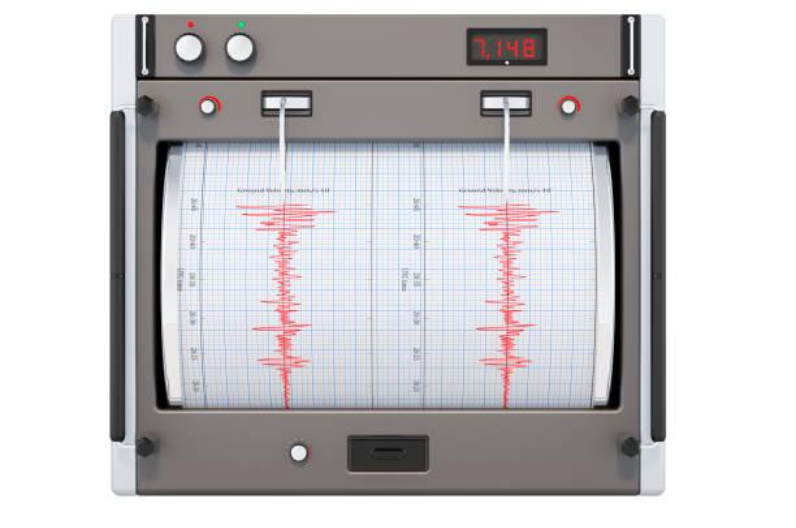
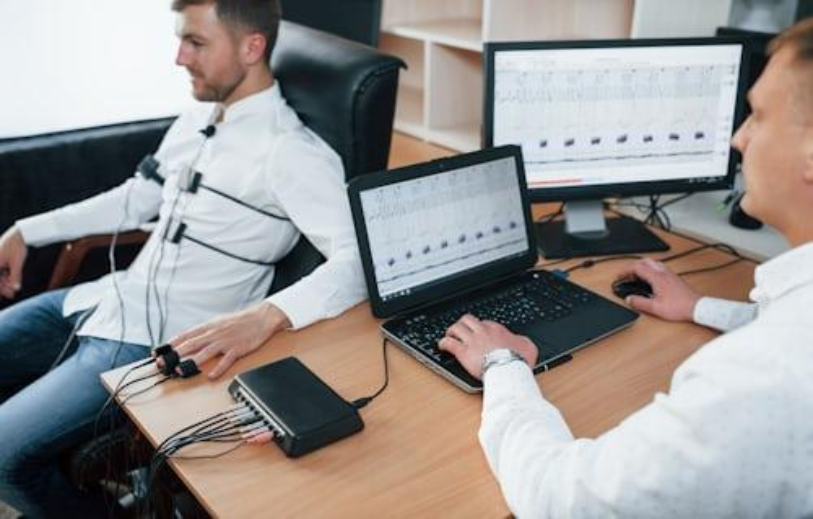
Polygraphs measure fluctuations in four key physiological reactions, namely heart rate, blood pressure, respiration, and perspiration. These functions are regulated by the autonomic nervous system (ANS).
A credible polygraph test happens in three steps, which all happen in the same session.
First is the pre-test, which includes a lengthy interview with the examinee. During this phase, a certified polygrapher collects baseline data on the individual’s normal physiological reactions.
Next is the in-test phase, which is the central focus of the entire process. An examiner asks a series of relevant and control questions as a polygraph machine records the examinee’s responses to each query in real time.
Finally, the post-test phase involves comparing the pattern of physiological reactions to the in-test questions with the baseline data. Anomalous variances in the two datasets can help deduce deception.
2. Premised On Other Forensic Techniques
The polygraph technique borrows a lot from modern forensic science.
Like forensic investigations, polygraphs require adequate preparation. Both techniques also insist on obtaining the suspect’s informed consent before subjecting them to interrogation.
Other similarities include;
- Maintaining the presumption of innocence until proven guilty,
- Upholding a suspect’s privacy rights throughout the process, and
- Applying the findings alongside other investigative techniques
However, perhaps the most striking similarity between lie detector tests and modern forensic science is the widespread adoption of the Control Questions Technique (CQT). The CQT involves comparing examinees’ physiological reactions to relevant and control questions.
In polygraph testing, relevant questions directly address the topic under investigation. An example would be: Did you steal a necklace from your boyfriend’s apartment on (DATE)?
Meanwhile, control questions revisit an examinee’s past crimes. These are typically minor offenses intended to provoke a greater emotional response.
Examiners then compare the pattern of responses to the two question sets (alongside prerecorded baseline data) to infer deception.
According to polygraph experts, honest individuals elicit stronger physiological reactions to control than to relevant questions. The converse is true for deceptive characters.
3. Highly Regulated
Polygraph laws may be sketchy in several parts of the world. But in the United States, the technique is highly regulated. Nearly all fifty states have pronounced themselves on the legal admissibility of lie detector tests.
Sure, polygraph findings are still disallowed in most criminal proceedings. However, the fact that many US jurisdictions acknowledge the existence of lie detector tests underscores the important role played by regulators in popularizing the technique.
More importantly, regulatory bodies like the American Polygraph Association maintain high benchmarks for conducting credible polygraph exams. The APA also accredits polygraph schools and programs throughout the country, helping level the playing field for professional examiners.
Despite stringent regulations, however, it’s important to underscore that lie detector tests do meet the Daubert standard for evidence admissibility, although it needs to be more aggressively presented in the courts to gain wider acceptance.
See also: The Advantage of Comprehensive Employee Health Coverage
Moral Counterarguments Against Polygraph Tests
a) Coercion Remains a Sticking Issue
The Employee Polygraph Protection Act (EPPA) of 1988 bars most private employers from subjecting their employees to mandatory lie detector tests.
However, federal agencies are exempted from this rule. That could potentially create a leeway for coercion. In a paper, you can decline to be polygraphed without waiving your Fifth Amendment Rights.
But in practice, your refusal could have you forfeit certain privileges. Those include winning a Department of Defense (DoD) contract or passing a Federal Bureau of Investigation (FBI) job interview.
b) Potential for Privacy Violation
Polygraph tests may cause examinees to disclose intimate information, including details about their sex life and drug use. That’s especially true for the CQT approach, which focuses on an individual’s past misdeeds.
Even if the intention behind each questioning is pure, the responses may reveal sensitive personal information about the examinee. This could cause a severe privacy violation.
Besides, lie detector tests may retraumatize examinees by compelling them to relive gruesome experiences like murder or sexual assault.
Final Word
Debate on the credibility of polygraphs is poised to rage on into the foreseeable future. At least until lie detector tests gain impressive acceptance within the scientific community.
Besides, you can improve the credibility of lie detector tests by enlisting the assistance of professional examiners. Duly credentialed polygraphers administer each evaluation in strict adherence to the industry’s guidelines.
They also utilize advanced machines and integrate other lie detection tools into their operations, inching us ever closer to settling the moral quandary surrounding polygraphs.