
Tendons and ligaments are often overlooked in discussions around mobility and physical performance, but they play a crucial structural role in the human body. Tendons link bone to muscle, and ligaments link bone to bone both stabilizing the joint, enabling movement, and conveying load. While training, stretching, and healing are all required in the maintenance of tendon and ligament health, some also seek out nutritional cures in the form of supplements to support their musculoskeletal system.
Structure of the Tendon and Ligament
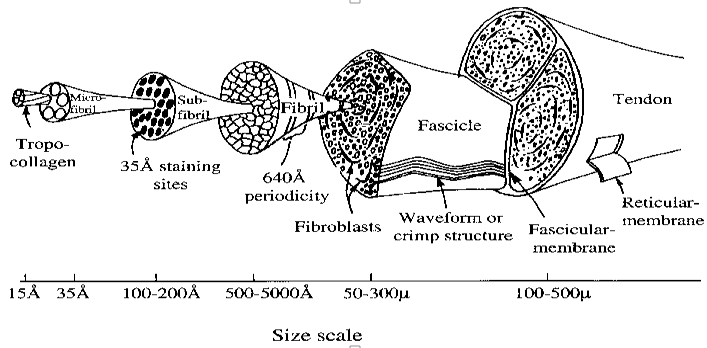
Tendons and ligaments are made up mostly of collagen, a fibrous protein that gives them their elasticity and strength. Water, elastin, proteoglycans, and other components of the matrix all add to the structure of tendons and ligaments. In contrast to muscle tissue, these connective tissue structures have diminished blood supply and therefore might be delayed in accommodating mechanical stress or responding to overuse.
This low repair and adaptation have resulted in most athletes, body builders, and the elderly resorting to tendon and ligament supplements as part of their health regimen.
Why People Use Tendon and Ligament Supplements
The body creates collagen and other structural proteins naturally, but various processes like aging, overtraining, or nutrient deficiencies may slow down the same. Supplements can never replace a balanced diet or correct training but are used occasionally to enhance the body’s own functions in tissue structure and resistance.

Tendon ligament supplements are something that people may use for:
- Maintaining their structure for healthy, strong connective tissue
- Prepare for, or recover from, physical conditioning
- Assist overall mobility and structural integrity
The goal is most often to be consistent in function and minimize the impact of repetitive motion or high-impact exercise wear and tear.
See also:
Common Ingredients in Tendon and Ligament Supplements
The majority of tendon and ligament supplements contain a blend of ingredients that are thought to promote the structure and function of connective tissue. They consist of:
Glucosamine Sulfate
Glucosamine sulfate is a naturally derived cartilage molecule. It most often finds its way into joint and connective tissue supplements. Although it is most often linked with the health of joints, users of supplements incorporate glucosamine sulfate to help maintain the supporting tissues like tendons and ligaments.
Chondroitin
Similar to glucosamine, chondroitin is a component of cartilage and often consumed along with glucosamine sulfate in joint-support supplements. Chondroitin has been linked to water binding and shock absorption within connective tissue.
Collagen Peptides
Since collagen is the major structural protein of tendons and ligaments, it is a trendy supplement today. Hydrolyzed collagen peptides are commonly added to tendon ligament supplements to facilitate the body’s own production and organization of connective tissue.
Vitamin C
Vitamin C has also been found to play a part in collagen synthesis. It may be added to tendon ligament products to augment the enzymatic process of collagen fiber crosslinking and stabilization.
Amino Acids
Certain amino acids such as glycine, proline, and lysine occur in collagen and other matrix proteins. Taking supplements of these building blocks may augment the body’s own production.
Trace Minerals
Trace minerals copper, manganese, and zinc are generally supplemented because of enzymatic activity toward tissue health.
A Complement to Lifestyle Strategies
The supplements themselves will not accomplish much good if there are not other underlying disciplines. Food consumption, water consumption, resistance training, mobility exercises, and recovery each have something to contribute to tendon and ligament health. Supplements can make a marginal contribution when placed on top of these disciplines.
For the competing or training athlete with more than usual physical stress, timing and dosing of supplementation can be an integral part of a broad-based recovery and resistance strategy. Others choose to emphasize supplement support to connective tissue during times of peak volume training or periods of greater mechanical demand.
Selecting a Supplement Plan
When choosing a tendon ligament supplement, consider your goals, your diet, and your overall health regimen. There are individuals who will want to use collagen-based products, and there are individuals who will want to use products with glucosamine sulfate or vitamin C. The specific formulation, source of ingredients, and dosage can vary widely between brands.
Before even trying to do anything new with any supplement, you will need to refer your plan to a practitioner of health or nutrition, particularly if you already have an illness or are taking medication.
Final thoughts
Tendons and ligaments are vital components of movement, and supporting them nutritionally has become a growing interest among active individuals and those seeking to maintain mobility. While supplements aren’t a silver bullet, certain of their ingredients collagen peptides, glucosamine sulfate, and amino acids, for example are used to reinforce the body’s own connective tissue network. As part of a balanced plan for exercise and general health in one’s life, a supplement like OptiWize Collagen Plus may be on the list of someone who wishes to maintain tendon and ligament health over the long term.