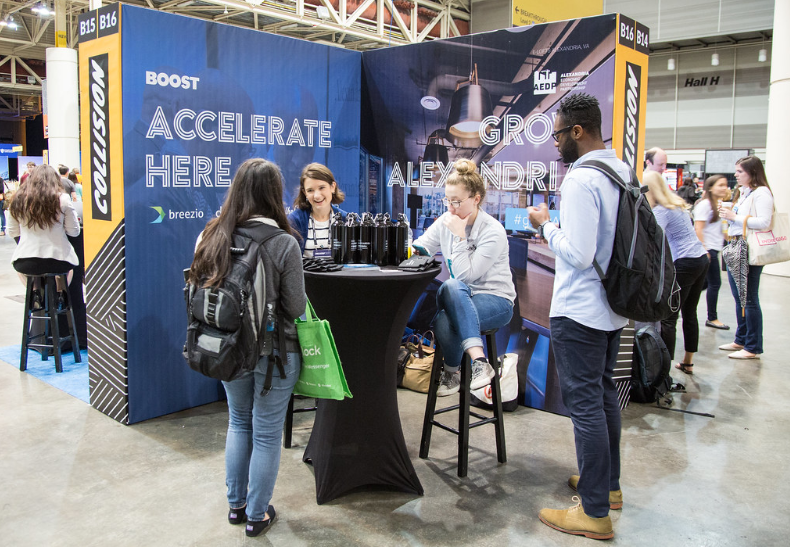
Every booth at a trade show tells a story. The way it looks, feels, and functions can guide visitors toward a message or leave them uncertain. A well-structured approach to display selection can help brands communicate clearly, draw attention, and use their space with purpose.
The selected Trade Show Display should be more than a visual centerpiece. It should support defined goals, enhance visitor experience, and reflect the brand’s identity across every component. Here are five practical ways to select the right display for your next event.
1. Define the Booth Objective Clearly
Every display should serve a specific goal. That goal could be product exposure, client interaction, sample distribution, or generating leads. Once the objective is defined, everything from layout to messaging becomes easier to plan. Without a clear purpose, displays can appear unfocused or misaligned with brand intentions.
A display supporting live demos may need screens, counter space, or open viewing angles. A lead-focused booth might require brochure holders, private seating, or a tablet station. Objectives help narrow design decisions and ensure each element supports an intended result without unnecessary features.
2. Evaluate the Booth Dimensions and Setup Space
Knowing the exact booth dimensions is essential. It influences the structure, movement, and how visitors interact with various areas. Floor plans, ceiling height, electrical access, and entrance flow should all guide how the space is used. Always match the display design to the given footprint to avoid clutter or underused areas.
Some layouts support interaction zones, while others work best for simple walk-through setups. If space is limited, vertical elements, fold-out sections, or corner placement can offer flexibility. Large booths may support multi-purpose zones, such as demo spots, waiting areas, or product shelving with clear traffic flow.
3. Align the Display Design With Brand Identity
Visuals must match the company’s overall style to build trust and recognition. Colors, logos, and font choices should align with existing materials. A unified design makes the booth feel intentional and encourages visitors to connect the physical presence with other brand touchpoints.
Balance and clarity are essential in design. Avoid crowding key visuals or placing important text too low or too high. Use lighting to highlight products or signage, and avoid reflective surfaces that reduce visibility. Well-placed, readable graphics make messaging more direct and engaging.
4. Choose User-Friendly Features and Practical Components
Trade shows sometimes involve tight timelines, so displays must be fast to assemble and easy to move. Look for tool-free frames, folding structures, and durable connectors. Setup time can be reduced significantly with lightweight pieces and clear packing systems.
Portable displays should also handle repeated use without damage. Features like reinforced edges, sealed graphics, and wheeled cases extend the lifespan of materials. If multiple team members handle the display, standard instructions and color-coded parts keep the process simple across events.
5. Balance Investment With Flexibility and Reuse Potential
Budget decisions must cover more than just the display. Lighting, shipping cases, signage, and flooring all contribute to the final setup. Always account for these extras before finalizing any one product.
Here are a few reusable components to consider:
- Modular backwalls
- Interchangeable graphic panels
- Portable shelving units
- Clip-on lighting elements
- Collapsible or space-saving furniture
See also: Enhancing Digital Presence for Businesses
Get Expert Support to Build a Smarter Display Strategy
Experienced exhibit specialists help businesses plan, design, and manage every Trade Show Display that aligns with specific goals and space requirements. They offer tailored solutions such as modular exhibits, portable booths, and custom displays built for long-term use and brand consistency.
These professionals handle layout planning, graphic production, logistics, and installation with a focus on efficiency and durability. Their services also include consultation on materials, structural design, and integration of interactive elements. Working with experts reduces planning time, avoids costly errors, and ensures a cohesive brand presence at every event.