If you’ve marveled at how a tablet responds to a light tap on its screen, you’ve already seen a simple version of a capacitive sensor at work. In the world of manufacturing and automation, these sensors are just as impressive, bringing highly flexible detection to assembly lines around the globe. Unlike inductive sensors that only light up when they meet a metal part, capacitive sensors “see” plastics, glass, wood, powders, even the water in a tank. That wide detection range makes them invaluable wherever metal alone doesn’t tell the whole story.
For B2B firms in packaging, food and drink, farming equipment, or drug production, the no-contact and zero-wear nature of these sensors translates into lower maintenance costs and longer service life. In the paragraphs that follow, we’ll walk through the basics of how a capacitive sensor operates, where it fits in the industry, the advantages it brings, and what you should keep in mind when choosing one for your setup.
How Do Capacitive Sensors Work?
At its core, a capacitive sensor measures the tiny shifts in electrical storage—called capacitance—that occur when an object enters its field. Every conductive or dielectric material—even human skin—can temporarily hold a small electric charge. The sensor has a built-in electrode that produces an invisible electrostatic bubble around itself. When anything crosses that bubble, the amount of charge the electrode can store changes. The circuit inside the sensor notices that difference and sends out a signal to an indicator light, a PLC, or whatever system you are using.
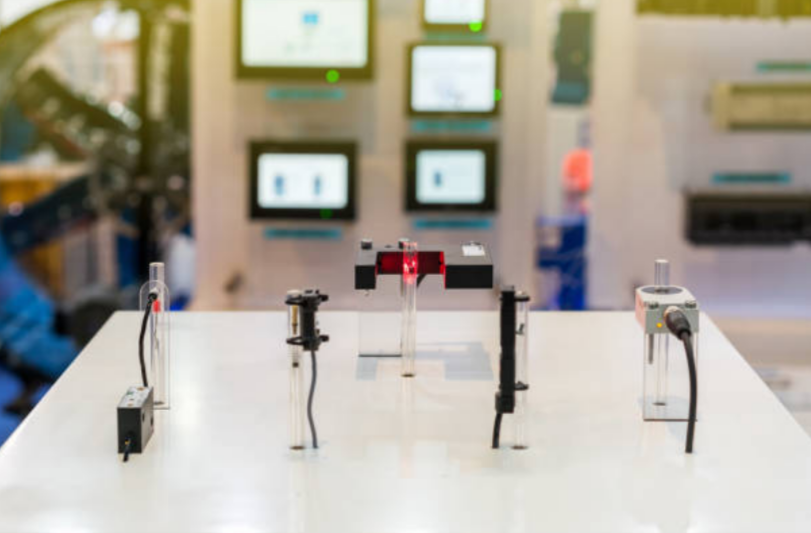
Capacitive sensors work behind the scenes in many industries, and they rely on just four main parts to do their job:
- A sensing electrode
- An oscillator circuit
- A signal amplifier
- An output stage, which might be a switch, relay, or some other action device
Because of this simple design, capacitive sensors can spot solid objects, granules, and even liquids—no metal-to-metal contact needed. That’s why they’re often preferred over inductive sensors for jobs where you need to see through a non-metal wall.
If you’re curious about how different proximity sensors stack up, including capacitive models, check out the https://www.omchsmps.com/es/path/proximity-switch/ . It shows a variety of industrial designs that can be tweaked for plenty of real-world situations.
Where You’ll Find Them
You’ll find capacitive sensors in any factory or lab that needs touch-free detection of materials with different textures, colors, or conductivity levels. Their adaptability makes them a go-to choice for many B2B tasks.
Watching Levels
One of the most common uses is level monitoring in tanks and silos. Whether the material is bulk grain, fine powder, or a tankful of liquid, these sensors can sit outside and read through plastic or glass containers. That keeps the sensor out of messy jobs while still giving accurate readings.
Read also: How Technology Is Revolutionizing Traditional Education
Part Presence and Counting
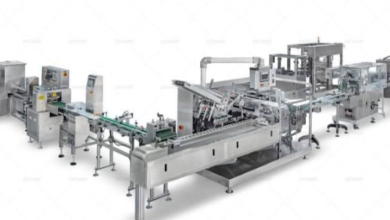
Inside modern packaging and production lines, capacitive sensors figure out if components are where they need to be. By doing this, they help make sure that finished products are put together properly and that every container gets filled. Since the sensors can read many different materials at once, they fit perfectly in assembly lines that handle mixed products.
Positioning and Alignment
When parts are fed into an automated workstation, capacitive sensors double-check that each piece is sitting just right before the machine moves. Because of their fine-tuned sensitivity, they can spot even the lightest plastic or rubber items without missing a beat.
Smart Farming
Farmers and livestock operators now rely on these sensors to monitor seed bins, grain silos, and feed troughs. They measure levels of bulk material or liquids without mechanical probes, an important feature in dusty or wet settings where moving parts quickly wear out.
Conveyor Systems and Material Handling
Capacitive sensors scan packages gliding down conveyor belts, able to see through thin paper or plastic wraps. This capability gives sorting arms and inspection stations the flexibility to handle a wider range of items without constant reconfiguration.
Benefits of Capacitive Sensors
Capacitive sensors bring a short list of big benefits to factories and automated workspaces:
- Wide Material Range: They can sense metals, glass, plastics, powders, and even liquids in the same cycle.
- No-Touch Detection: By measuring from a distance, they cut down on wear and keep fragile parts from being scratched or crushed.
- Small Footprint: Many capacitive sensors come in tiny sizes, making them a good fit for machines where every millimeter of space counts.
- Customizable Sensitivity: Most models let you dial in the sensitivity so they can tell one material from another and skip false alarms.
- Can See Through Walls: These sensors can pick up objects even when they are behind insulating panels, which is useful for checking liquid levels inside tanks.
When factories add capacitive sensors to their workflows, they often see better quality checks, less machine downtime, and longer sensor lifetimes, since these devices work without needing to touch anything.
Picking the Right One for B2B Settings
Selecting the best capacitive sensor isn’t as simple as it sounds; it depends on several technical and environmental details:
What You Are Sensing
The type of material being detected changes how well the sensor will work. Water, for example, pops up quickly because of its high dielectric value, but oils or certain plastics might need you to boost the sensitivity.
Where It Will Be Mounted
Think about whether the sensor will face rain, chemicals, or extreme heat and cold. Choosing the right housing—be it PBT, stainless steel, or Teflon—and making sure the unit has an appropriate IP rating will keep it safe.
Distance to Detect
Most capacitive sensors can cover just a few millimeters to a couple of centimeters. Plan for the longest distance you’ll need while remembering that container walls or other barriers will eat into that range.
Power and Output Type
Before mounting a capacitive sensor, check that its output—NPN, PNP, or analog—matches your control hardware, such as PLCs, relays, or SCADA systems. Don’t skip the voltage and current ratings either, since mismatches here can lead to equipment damage or unreliable readings.
Adjustability and Calibration
Many sensors come with a small trimmer pot or a digital menu that lets you fine-tune sensitivity. This level of adjustability is especially handy in busy factory floors where the size or material of the target can change from shift to shift.
Mounting Constraints
Take a moment to measure the sensor itself, noting the thread type, size, and connector direction. In tight spaces, a flat or side-mountable design can make installation a breeze and leave room for other nearby components.
Partners who provide detailed documentation—like wiring guides and full datasheets—save engineers plenty of head-scratching during hookup and testing.
OMCH and Capacitive Sensor Innovation
OMCH has earned its reputation by delivering robust industrial sensors, including a strong lineup of capacitive models built to withstand tough environments. Their focus on durability and straightforward integration means these sensors drop easily into most control setups without constant tweaking.
From simple on-off tasks to complex monitoring operations, OMCH scales its solutions to fit both massive automation plants and smaller workshops. Whether you’re moving food products, packaging pharmaceuticals, or keeping an eye on lab environments, OMCH capacitive sensors help keep processes running smoothly and efficiently.
Conclusion
Capacitive sensors have become a staple in modern automation. They can sense many different materials—plastic, metal, liquid—without needing to touch anything, which helps keep machines running smoothly. Compact and highly sensitive, they fit nicely into tight spaces while delivering reliable performance. As businesses push for faster production, clearer monitoring, and fewer mechanical breakdowns, investing in capacitive sensing makes a lot of sense.
With a supplier like OMCH, companies gain access to sensor technology that blends high performance with flexibility and dependability. This balance not only meets today’s challenges but also lays the groundwork for tomorrow’s smarter, more efficient automated systems.