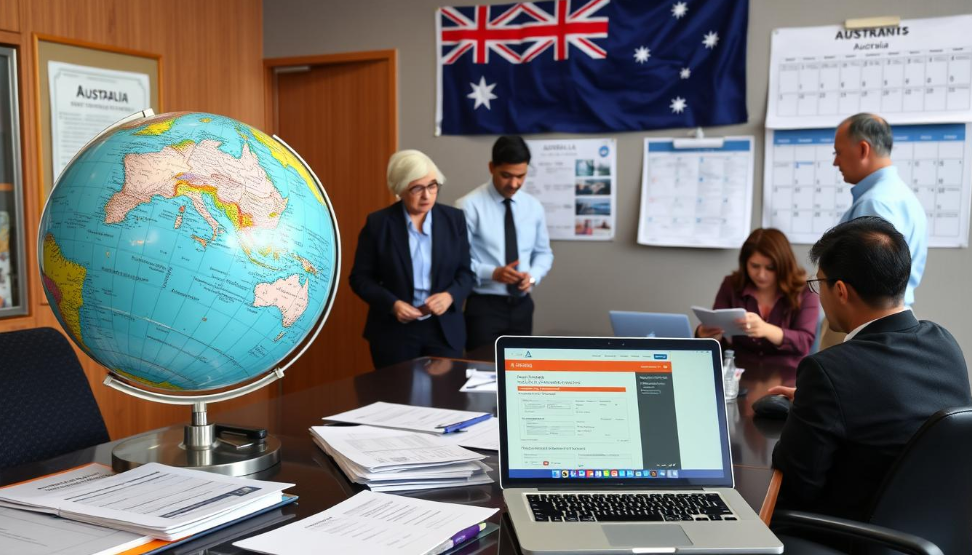
Visa rules in Australia are taken seriously and for good reason. These conditions enable the government to manage who can work, study, and reside in the country. If you’re visiting Australia on a temporary visa, it’s essential to understand the specific conditions that come with it.
One of the most common and misunderstood conditions is the 8101 visa condition, which prohibits any form of employment while you’re in Australia on certain visitor visas. Many people assume they can pick up a few hours of casual work or help out a family business during their stay. However, breaching this condition, whether knowingly or unintentionally, can have serious consequences.
If you’re considering or have already made an application for 8101 visa, it’s vital to be aware of what you can and cannot do during your stay. This blog will walk you through what the 8101 condition actually means, what happens if you breach it, and what steps you can take to avoid problems or address them if they arise.
Understanding the 8101 Visa Condition
Condition 8101 is a “No Work” condition. It applies to several subclasses of temporary Australian visas, most notably the Visitor visa (subclass 600), Electronic Travel Authority (subclass 601), and eVisitor (subclass 651).
If your visa has this condition, you are not permitted to work while you are in Australia. This applies to paid work, unpaid work, voluntary work (in many cases), and even trial shifts in businesses.
Why Is It Enforced?
The Australian government includes this condition to ensure that visitor visa holders don’t compete with citizens and permanent residents for local jobs. Visitor visas are meant for tourism, family visits, short business activities, or medical treatment, not for entering the workforce.
The enforcement of this condition also helps maintain integrity in Australia’s immigration system. Allowing work on visitor visas could lead to wage exploitation and unsafe working conditions. By limiting work rights, the government protects both visitors and the local labour market.
Common Scenarios That Could Lead to Breaches
Many people unintentionally breach Condition 8101 because they aren’t fully aware of what qualifies as “work.” Here are some examples that could land you in trouble:
Situations That Could Violate the Condition
- Accepting payment for services (cash or bank transfer).
- Participating in business meetings that go beyond a basic visitor role.
- Doing trial shifts in a restaurant or cafe.
- Volunteering in roles that would otherwise be paid positions.
- Helping out a family business regularly.
Even if you don’t receive money directly, engaging in any activity that would be considered work under Australian law can count as a breach.
What Happens If You Breach the 8101 Condition?
Breaching your visa conditions in Australia is treated as a serious offence, even if it’s unintentional. The consequences can affect your current stay and future visa eligibility.
Here are the outcomes you could face if you violate Condition 8101:
Immediate Consequences
If you’re caught working in breach of Condition 8101, the Department of Home Affairs may:
- Cancel your visa immediately.
- Ask you to leave Australia.
- Place restrictions on future visa applications.
- Bar you from re-entering Australia for a certain period.
These consequences can apply even if you breached the condition unknowingly. Australian immigration law places a high responsibility on visa holders to understand and comply with their visa terms.
Long-Term Impact
The consequences aren’t just short-term. A visa cancellation on your record can:
- Impact future visa applications to Australia or other countries.
- Reduce your chances of getting permanent residency.
- Trigger “character concerns” under Australian immigration law.
In other words, one mistake can lead to long-term immigration complications. Breach of the 8101 condition isn’t just a minor oversight; it can jeopardise your ability to stay or return to Australia. Understanding the risks early is key to protecting your immigration future.
See also: Nepal and Bhutan in One Trip: Top Attractions, Culture, and Travel Tips
Can You Fix the Situation If You’ve Already Breached It?
Realising you’ve breached a visa condition can be stressful, but all is not lost. Acting quickly and taking the right steps can help minimise the damage.
Here are the options you can consider if you’ve already breached Condition 8101:
Self-reporting May Help
If you’ve accidentally breached the condition and realised it early, you might consider voluntarily reporting the breach to the Department of Home Affairs. While this doesn’t guarantee leniency, it may reflect positively in your records.
Seek Professional Help
Getting help from a registered migration agent can be crucial. They can help:
- Assess the damage.
- Help you respond to notices from immigration authorities.
- Advise on whether your visa is still valid.
- Assist in applying for a different visa (if eligible).
Taking action early can reduce the risk of long-term consequences on your visa record. With the right support, it’s possible to recover and make informed choices going forward.
Tips for Staying Within Visa Conditions
Understanding your visa conditions is the first step to avoiding accidental breaches. A small oversight can lead to major complications with your immigration status.
Here are some practical tips to help you stay fully compliant during your stay in Australia:
- Read your visa grant letter thoroughly. It will list all conditions attached to your visa.
- Avoid participating in any work-related activity, even if unpaid, unless it’s clearly permitted.
- If you’re unsure, ask a migration expert before committing to any activity.
- Use your time in Australia as a visitor only, focus on travel, family, or tourism.
, focusing.
Following simple precautions can save you from serious visa complications. When in doubt, it’s always better to ask than assume.
Red Flags to Watch Out For
Not everyone who offers you work will understand the risks you’re taking as a visitor. Some offers may seem harmless, but could put your visa at serious risk.
Here are the warning signs that should make you pause and reconsider:
- “It’s just under the table, you won’t get caught.”
- “It’s not a real job, you’re just helping.”
- “Everyone does it.”
These are risky assumptions. Immigration officers conduct regular checks and audits, and getting caught is not as uncommon as you might think.
Alternatives if You Want to Work in Australia
If you’re already in Australia and your situation has changed—say you want to study, work, or stay longer, you may be able to apply for a new visa that allows employment.
Consider These Visa Options:
- Student Visa (Subclass 500): If you enrol in a recognised course, this visa allows part-time work during studies and full-time during breaks.
- Temporary Skill Shortage Visa (Subclass 482): For those with employer sponsorship.
- Working Holiday Visa (Subclass 417/462): If you’re from an eligible country and meet age and health criteria.
- Temporary Graduate Visa (Subclass 485): For international students completing eligible courses in Australia.
Exploring the right visa pathways can open doors to legal employment and longer-term opportunities in Australia. Always make sure your new visa aligns with your goals and current circumstances.
Conclusion
Australia’s visitor visas are designed for tourism, family visits, and short stays, not employment. Breaching Condition 8101 can result in cancelled visas, barred re-entry, and long-term immigration trouble. That’s why it’s crucial to stay informed, follow your visa conditions, and reach out for expert advice if your situation changes.
If you’re already in Australia and considering changing your plans, whether it’s to study, work, or stay longer, ensure you go through the correct channels. A well-planned visa application is always better than risking your future over a temporary opportunity.