Portugal spent decades sitting just outside Europe’s main tourist circuit. Travelers heading south often chose Spain, while those chasing culture leaned toward Italy or France. Portugal was known, but it rarely led the conversation. That changed quickly in the mid-2010s.
Low-cost airlines opened direct routes from major European cities into Lisbon and Porto. Weekend travel became easy and cheap. A flight from London or Berlin could cost less than a night out. That shift mattered because younger travelers plan around access first. If a destination is easy to reach, it moves up the list.
At the same time, travel habits began to change. Younger tourists stopped chasing landmarks alone. They started looking for places that felt livable, places where they could stay longer without spending heavily. Portugal fit that model almost perfectly. It offered historic cities, coastal escapes, and a slower pace, all within a small geographic area.
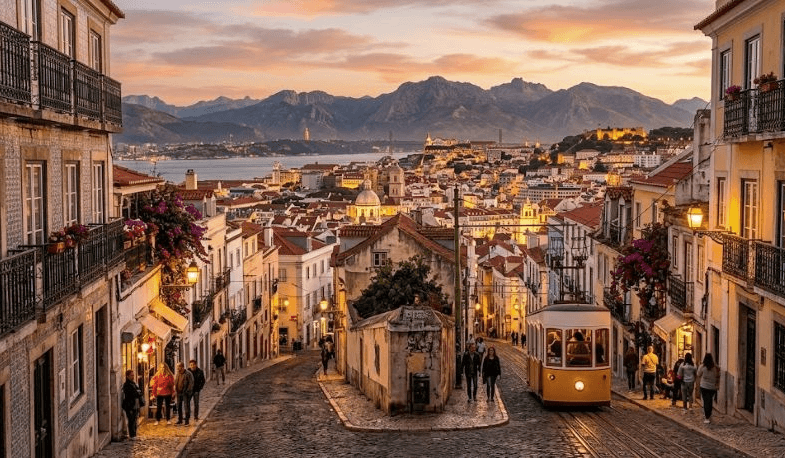
Lisbon began to show up more often on social media. Its steep streets, tiled facades, and river views stood out. Porto followed with its compact center and wine culture. The Algarve added a beach angle that felt different from the crowded coasts of Spain. Together, these regions created a complete package without requiring long travel distances.
Timing played a key role. Spain, Italy, and France were already dealing with overtourism in major cities. Prices were rising. Crowds were harder to avoid. Portugal entered the spotlight as an alternative that still felt open and accessible. That positioning helped it gain traction quickly.
Once the momentum started, it built on itself. Travelers shared experiences online, which drove more visitors. Airlines expanded routes. Investors opened hostels, boutique hotels, and co-working spaces. Portugal stopped being a backup option and became a first choice.
The Price-to-Lifestyle Ratio That Keeps People Staying
Portugal’s strongest advantage is not just low prices. It is the balance between cost and quality of life. Young travelers notice that quickly.
Accommodation remains cheaper than in most Western European capitals. In Lisbon, a hostel bed or shared apartment costs less than similar options in Paris or Amsterdam. Even private rentals, while rising, still offer better value per square foot. Porto often comes in even lower.
Food plays a major role in daily spending. Portugal offers simple, well-prepared meals at prices that feel reasonable. A plate of grilled fish, bread, and wine can cost less than a fast-casual meal in other countries. Local bakeries and small restaurants keep costs down without lowering quality.
Nightlife follows the same pattern. Drinks cost less, and the density of bars reduces transportation expenses. In Lisbon’s Bairro Alto or Cais do Sodré, people move from one spot to another on foot. That creates a social atmosphere without added cost.
Transportation adds another advantage. Public transit is reliable and inexpensive. Trains connect Lisbon to Porto, and buses reach coastal towns with ease. Many areas are walkable, which lowers daily spending further.
This cost structure changes behavior. Travelers stay longer. Instead of a two-day visit, they spend a week or more. Some extend trips into months. Portugal becomes a base rather than a stop.
The idea of “affordable comfort” is central here. Travelers can enjoy rooftop views, ocean access, and good food without stretching their budgets. They do not feel forced to cut corners. That feeling creates loyalty. People return because they know what to expect.
Portugal also supports different spending levels. Budget travelers find hostels and street food. Mid-range visitors find boutique hotels and wine bars. Higher-end travelers still pay less than they would in comparable destinations. That range keeps the country accessible to a wide group.
A Country Designed for Social Movement
Portugal works well for solo and group travel because of its physical layout and cultural rhythm. Cities are compact, and neighborhoods connect naturally.
Lisbon’s structure encourages exploration. The city spreads across hills, but each district feels distinct. Alfama offers narrow streets and traditional houses. Bairro Alto fills with nightlife after dark. Chiado blends shopping and cafes. Moving between them takes minutes, not hours.
Porto follows a similar pattern on a smaller scale. The historic center sits along the river, with steep streets leading up to residential areas. Travelers can cross the Dom Luís I Bridge and reach Vila Nova de Gaia for wine tastings. The entire experience fits into a walkable loop.
Coastal towns add another layer. Lagos, Ericeira, and Cascais attract surfers and beachgoers. These places mix local life with international visitors. Surf schools, hostels, and bars create natural meeting points.
Social interaction happens easily in these settings. Hostels organize group dinners and tours. Bars spill into the streets. Cafes fill with remote workers during the day and travelers at night. The environment lowers the barrier to conversation.
Events reinforce this dynamic. Music festivals, street fairs, and seasonal celebrations bring people together. Even smaller gatherings feel open. Travelers do not need formal plans to meet others. The structure of daily life creates those opportunities.
Portugal’s pace also plays a role. It is not rushed. Meals take time. Cafes encourage sitting and talking. Public spaces invite people to stay rather than move on quickly. That rhythm supports connection.
For many young travelers, this social ease matters as much as cost. They want more than sightseeing. They want interaction, shared moments, and a sense of belonging. Portugal delivers that without forcing it.
See also: Smart Accessories Transforming Modern Travel
The Visual Identity That Travels Online
Portugal’s rise is tied closely to how it looks. The country offers a consistent visual identity that translates well across photos and videos.
Lisbon’s tiled buildings, known as azulejos, create repeating patterns that stand out. The city’s trams add movement and color. Sunlight reflects off the Tagus River, creating bright, clear scenes. These elements combine into images that feel distinct without needing heavy editing.
Porto offers a different aesthetic. The Ribeira district lines the river with stacked buildings in varied colors. Wine cellars across the river add texture. Bridges frame the skyline. The result feels layered and dense.
The Algarve shifts the focus to nature. Cliffs drop into clear water. Beaches sit between rock formations. Light changes throughout the day, creating variation without leaving a small area.
These visuals spread quickly online. Travelers post photos that look polished with minimal effort. That ease matters. It lowers the barrier to sharing, which increases exposure.
Social media does not just show places. It shapes expectations. Portugal benefits because it consistently meets those expectations. Visitors arrive and find scenes that match what they saw online. That alignment builds trust.
The visual appeal also supports different travel styles. Some focus on architecture, others on beaches, others on food. Portugal provides strong imagery in each category. It does not rely on a single highlight.
This visual consistency turns visitors into promoters. They share content that attracts new travelers. The cycle continues without heavy marketing. Portugal becomes visible through its visitors rather than through campaigns.
Travel Meets Daily Life: The Semi-Resident Shift
Portugal has become more than a vacation spot. Many young travelers treat it as a temporary home.
Remote work makes this possible. People no longer need to return after a short trip. They can stay and continue working. Portugal supports this with infrastructure that meets basic needs.
Internet access is stable in cities and many coastal towns. Co-working spaces operate in Lisbon, Porto, and smaller hubs like Ericeira. Cafes welcome people with laptops. The environment supports long stays without friction.
Government policy has also played a role. Visa options for remote workers and entrepreneurs make it easier to remain in the country legally. While processes vary, the overall direction favors longer stays.
Expat communities provide another layer of support. Online groups share information about housing, taxes, and daily life. New arrivals can connect quickly. That reduces uncertainty.
Living costs remain manageable compared to other Western European countries. Rent, food, and transport allow for a reasonable monthly budget. This makes Portugal viable not just for short visits but for extended periods.
The line between travel and living becomes less clear. People arrive as tourists and shift into residents, even if only for a few months. They build routines, find favorite cafes, and form social circles.
In these settings, everyday details matter. Seating in a small café, for example, shapes how long people stay and interact. A compact space with a few well-placed restaurant booths can turn a quick coffee stop into a longer work session or conversation. These small design choices support the broader appeal of staying rather than passing through.
Portugal benefits from this shift because long-term visitors spend differently. They rent apartments, use local services, and integrate into daily life. The economy gains stability beyond seasonal tourism.
Growth Comes with Trade-Offs
Portugal’s popularity has created pressure in key areas. Lisbon and Porto have seen rising rents, especially in central neighborhoods. Short-term rentals reduce housing supply for residents. This creates tension between tourism and local needs.
Crowding has increased in certain districts. Popular streets fill with visitors, especially during peak seasons. This changes the feel of areas that once moved at a slower pace.
Local businesses adjust to demand. Some traditional shops close, replaced by cafes and souvenir stores. The shift brings revenue but also changes the character of neighborhoods.
Infrastructure faces strain as well. Public transport handles more passengers. Waste management and public services must scale. These systems adapt, but not always at the same pace as growth.
The question of authenticity comes up often. Travelers want places that feel local, but their presence alters those places. Portugal is not unique in this, but the speed of change has made it visible.
Policy responses are evolving. Regulations on short-term rentals, zoning changes, and investment in public services aim to balance growth. Results vary, and adjustments continue.
For young travelers, these trade-offs shape future decisions. Some may look for less crowded alternatives within Portugal, such as smaller towns or inland regions. Others may shift to new countries once Portugal reaches a certain level of saturation.
Portugal’s rise shows how quickly a destination can move from overlooked to central. It also shows the limits of growth. Popularity brings opportunity, but it also forces choices about how to manage it.
Portugal did not become a leading destination by chance. It combined access, cost, social structure, visual appeal, and long-stay potential into a package that fits current travel habits. Young travelers respond to that mix because it supports both short visits and extended stays. The result is a country that continues to attract attention while adapting to the pressure that attention brings.