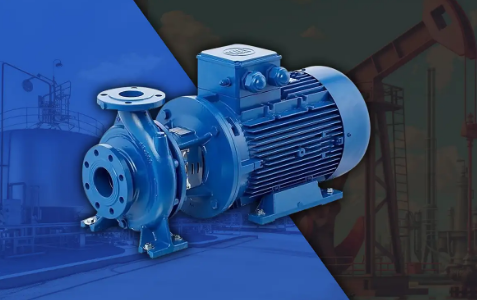
Polymers play a vital role in many chemical plants—coagulation, flocculation, neutralization, and even specialty additives. But moving them poorly wastes material, causes blockages, and drives costs up. A well‑chosen polymer transfer pump ensures smooth, precise, low‑shear delivery of polymer streams.
Plant engineers, operations teams, and maintenance leads often struggle with polymer dosing instability, recurrent cleaning, and pump failures in reactive mode. This article shows how proper pump selection, control, materials, and maintenance convert polymer transfer from a headache into a performance advantage.
Why Polymer Transfer Pumps Matter in Chemical Plants
Polymers are not simple fluids. They are sensitive to shear, viscosity changes, and concentration gradients and can gum up lines or damage seals. A pump unsuited to polymer duty forces overdesign elsewhere and introduces inefficiencies.
- Inaccurate dosing leads to chemical waste or suboptimal performance
- Blockages or fouling drive frequent shutoffs and cleaning
- Pump stress shortens the life of seals, liners, and bearings
A pump truly designed for polymer transfers reduces all those burdens while increasing consistency and uptime.
The Pitfalls of Generic Pump Use for Polymer Media
- Shearing or damaging long-chain polymer molecules
- Pulsation or metering errors at low flow
- Blockages in suction or lines when concentration shifts
- Seal or liner wear occurs because the polymer sits in boundary zones
Avoiding these pitfalls is the difference between reactive maintenance and reliable operation.
Critical Design Features for Polymer Transfer Pumps
Design for polymers is a balance of gentleness and robustness. You want to preserve polymer integrity while resisting wear, pressure, or chemical attack.
- Low shear geometry: broad passages, gentle transitions, minimal turbulence
- Material compatibility: Polymers may attack common materials or swell elastomers
- Precision metering & control: the pump must deliver a stable rate under varying load
Key Components & Their Roles
- Mechanism options: progressive cavity, peristaltic, and diaphragm types are common
- Soft liners & rotors: reduce abrasion and chemical attack
- Control elements: dampeners, pulsation smoothing, feedback valves
Each component gets stressed with polymer duty; design them with that in mind.
Efficiency Improvements Achieved Through Proper Pump Design
A polymer transfer pump drives efficiency gains across the system.
- Reduced polymer waste by avoiding overdosing
- Stable dosing in spite of fluctuations in flow or concentration
- Less frequent cleaning downtime
- Lower wear and maintenance cost
Measurable Gains From Upgrading Pumps
| Metric | Typical Improvement | Benefit |
| Polymer usage | 5‑15% lower | Chemical cost savings |
| Downtime | 20‑30% fewer events | Higher throughput |
| Maintenance hours | 25‑40% reduced | Staff cost savings |
These improvements often recoup pump upgrade costs within months.
Integration & Control Strategies with Polymer Pumps
A good pump alone isn’t enough. You must integrate it with process control for the best results.
- Tie pump speed or stroke to process lines (e.g. flow, turbidity, sensors)
- Use recirculation or buffer loops to smooth polymer feed
- Batch vs continuous dosing depending on process rhythm
Control Methods to Ensure Efficiency
- Real-time adjustment using feedback from downstream sensors
- Buffer or recycling loops to maintain a stable concentration
- Pulse dampeners or pulsation filters in the pump outlet
Smart control helps maintain dosing precision under variable plant conditions.
Material & Seal Considerations for Polymer Service
Polymers and their solvents or carriers are chemically aggressive. Seals and materials must match the duty, not the assumed standard.
- Select liners or wetted parts with proven resistance to polymer chemicals
- Use elastomers rated for solvents, temperature, and polymer exposure
- Seal designs must tolerate viscous fluids and occasional particulate loading
Specifying Seals & Components for Polymer Duty
- Soft seal faces (PTFE, ceramics) rather than rigid ones
- Flush or purge lines to keep seal faces clean
- Seal materials with high chemical and temperature stability
Compromise here, and your pump will degrade faster than design allows.
Maintenance Best Practices for Polymer Transfer Pumps
Maintenance is a key differentiator in pump uptime. You must watch for polymer-specific failure modes.
- Inspect rotors, liners, and seals frequently
- Monitor for signs of shear damage or polymer degradation
- Use spare kits and modular parts for swift replacement
Early Warning Signs in Polymer Pump Operation
- Increased pulsation or ripple
- Dosing drift or instability
- Rising motor current or vibration
- Gradual seal leakage or weepage
Catching these warning signs early avoids full failure.
Case Applications of Polymer Transfer Pumps in Industry
Actual plant examples show how these design philosophies translate to returns.
- A wastewater plant upgraded polymer transfer pumps and cut polymer use 10%, with fewer clogs
- A specialty chemical unit switched to peristaltic polymer feed and improved dosing accuracy under variable feed
- A pulp & paper effluent line replaced generic pumps with polymer-suited models and drastically reduced seal failures
Performance Metrics You Should Track
- Polymer consumption rate per ton of processed material
- Pump uptime and maintenance intervals
- Dosing accuracy vs target across cycles
When those metrics are stable and strong, you know your polymer pump is performing as intended.
Future Trends & Upgrades in Polymer Pump Technology
Polymer handling is evolving—and pumps must evolve too.
- Embedded sensors for wear, temperature, and pressure feedback
- Adaptive rotor or clearance systems to accommodate changing polymer properties
- Smart dosing algorithms integrated with plant logic
- Advanced coatings or materials that resist build-up, fouling, or chemical attack
What Next‑Gen Pumps Can Bring
- Predictive alerts before damage
- Improved polymer efficiency and less waste
- Lower maintenance overhead
- Smarter integration into plant control systems
Adopting these trends early puts your plant ahead in reliability and cost control.
Conclusion
In chemical plants, polymer handling is a common but delicate operation. The wrong pump invites waste, downtime, and maintenance headaches. A polymer transfer pump built for polymer duty, integrated with proper control, and maintained proactively, becomes a tool of efficiency—not a source of trouble.
Key takeaways:
- Recognize polymer fluids as special designed for low shear, chemical compatibility, and flow stability
- Embed metering, buffering, and feedback control to handle process variation
- Use materials and seals rated for polymer chemistry
- Monitor and maintain with discipline and spare readiness
- Track key performance metrics to validate your pump investment
When your polymer transfer systems are reliable, your entire plant becomes more stable, efficient, and competitive.