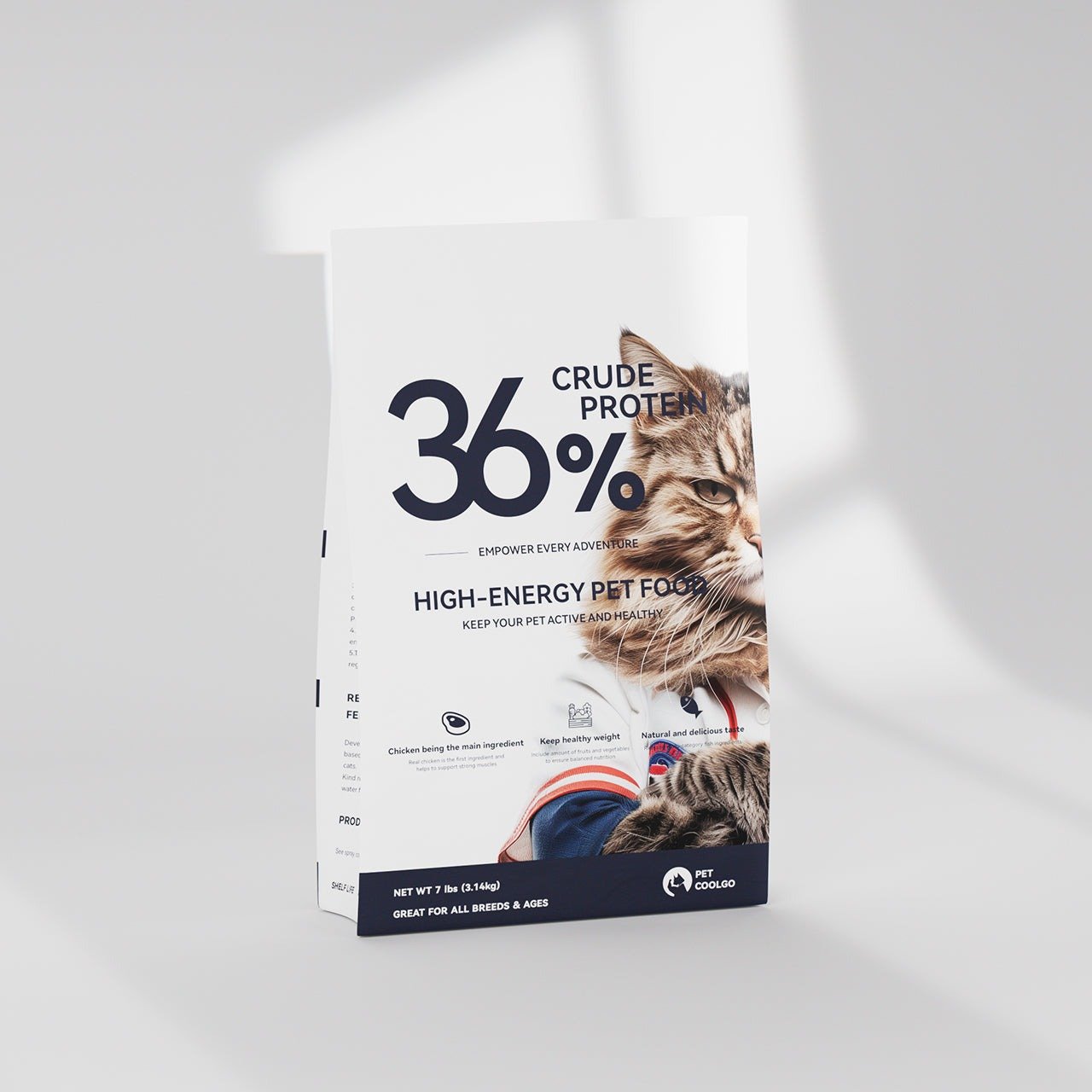
A balanced diet forms the cornerstone of your adult cat’s health, influencing everything from their energy levels and coat quality to their immune system and longevity. Just as humans require proper nutrition to thrive, cats need carefully calibrated meals that meet their unique biological requirements as obligate carnivores.
Many cat owners struggle with determining how much food their feline companions actually need. Feeding too much can lead to obesity and related health problems, while underfeeding may result in nutritional deficiencies and lethargy. The right amount depends on several factors, including your cat’s weight, age, activity level, and metabolic rate. Understanding these variables helps you tailor portions that keep your cat at an ideal body condition.
Establishing consistent feeding routines goes beyond simply filling a bowl. Proper meal timing, portion control, and food quality work together to support digestive health, maintain stable energy throughout the day, and prevent behavioral issues related to hunger or overfeeding. This guide will help you navigate the essentials of feline nutrition and create a feeding plan that keeps your adult cat healthy and thriving.
Understanding Your Cat’s Nutritional Needs
Cats are obligate carnivores, meaning their bodies are designed to derive nutrition primarily from animal sources. Unlike omnivores, they cannot synthesize certain essential nutrients and must obtain them directly from their diet. Protein serves as the primary energy source and provides amino acids like taurine and arginine that cats cannot produce on their own. Without adequate protein, cats face serious health consequences including heart disease and vision problems.
Fat supplies concentrated energy and delivers essential fatty acids that support cellular function, hormone production, and nutrient absorption. Omega-3 and omega-6 fatty acids contribute to brain development, reduce inflammation, and maintain healthy skin. While carbohydrates aren’t biologically essential for cats, small amounts can provide fiber for digestive health and serve as a practical energy source in commercial foods.
Vitamins and minerals complete the nutritional picture by supporting immune function, bone development, and metabolic processes. Vitamin A must come from animal sources since cats cannot convert plant-based beta-carotene effectively. Calcium and phosphorus work together to maintain skeletal strength, while minerals like zinc and selenium act as antioxidants. A deficiency or imbalance in any of these nutrients can lead to conditions ranging from poor coat quality to severe organ dysfunction, making it essential to provide a complete and balanced diet formulated specifically for feline physiology.
Protein: The Building Block of a Healthy Cat
Adult cats require significantly more protein than dogs or humans, with experts recommending a minimum of 26% protein in their diet, though many thrive on levels between 30-45%. This high requirement stems from their unique metabolism, which continuously breaks down protein for energy even when other fuel sources are available. Muscle maintenance depends entirely on consistent protein intake, as cats cannot store amino acids for later use the way other animals can.
Active and younger adult cats benefit from higher protein levels that support their energy demands and help preserve lean muscle mass. Quality matters as much as quantity—animal-based proteins from chicken, turkey, fish, and beef provide complete amino acid profiles that plant proteins cannot match. Look for foods listing specific meat sources as the first ingredients rather than generic terms like “meat meal.” Adequate protein intake keeps cats satisfied longer, reducing begging behavior and helping maintain healthy body weight while supporting strong muscles, efficient metabolism, and robust immune function throughout their adult years.
The Role of Fat in a Cat’s Diet
Dietary fat serves multiple critical functions beyond simply providing energy. It delivers more than twice the calories per gram compared to protein or carbohydrates, making it an efficient fuel source for cats. Fat acts as a carrier for fat-soluble vitamins A, D, E, and K, which cannot be absorbed without adequate fat in the diet. These vitamins regulate everything from vision and bone health to blood clotting and antioxidant protection.
Essential fatty acids, particularly arachidonic acid, EPA, and DHA, must come from animal fats since cats lack the enzymes to synthesize them from plant sources. These compounds maintain cell membrane integrity, support brain function, and regulate inflammatory responses throughout the body. A deficiency manifests as dry, flaky skin, dull coat, slow wound healing, and increased susceptibility to infections.
The ideal fat content in adult cat food ranges from 15-30% on a dry matter basis, depending on activity level. Indoor cats with lower energy needs do well with moderate fat levels, while active cats benefit from higher amounts. Fish oils provide omega-3 fatty acids that promote a lustrous coat and supple skin, while chicken fat offers balanced omega-6 content. Watch for signs of excessive fat intake like weight gain or digestive upset, and adjust portions accordingly while ensuring your cat still receives enough fat to support these vital physiological functions.
Choosing the Right Food
Selecting quality cat food requires looking beyond marketing claims and attractive packaging to evaluate what’s actually inside the bag or can. The first three to five ingredients reveal the most about a food’s nutritional value since they make up the bulk of the formula. Look for specific animal proteins like “chicken,” “salmon,” or “turkey” listed first rather than vague terms like “poultry by-product meal.” Whole meat sources provide superior nutrition, though named meat meals can offer concentrated protein when properly processed.
The guaranteed analysis panel shows minimum protein and fat percentages along with maximum fiber and moisture content, but these figures don’t tell the complete story. Comparing foods on a dry matter basis gives a more accurate picture, especially when evaluating wet versus dry options. Calculate this by subtracting moisture percentage from 100, then dividing the nutrient percentage by this number and multiplying by 100. A food with 10% protein and 78% moisture actually contains about 45% protein on a dry matter basis.
AAFCO (Association of American Feed Control Officials) certification ensures the food meets minimum nutritional standards for adult maintenance. Look for a statement confirming the food is “complete and balanced” for adult cats based on either feeding trials or formulation standards. Avoid foods with excessive fillers like corn gluten meal, wheat middlings, or cellulose in the top ingredients. While some plant matter is acceptable, animal proteins should dominate the ingredient list. Consider your cat’s individual needs—indoor formulas often contain fewer calories and more fiber, while foods for active cats provide higher energy density to fuel their lifestyle.
Reading Cat Food Labels
Understanding label terminology helps you distinguish genuinely nutritious foods from those relying on marketing tactics. When a label states “chicken cat food,” regulations require that chicken comprises at least 95% of the total weight excluding water. If it says “chicken dinner” or “chicken entrée,” the named protein only needs to constitute 25% of the product. Terms like “with chicken” indicate a mere 3% minimum, while “chicken flavor” requires no specific amount of actual chicken at all.
The ingredient list follows a descending weight order, but this can be misleading when manufacturers use “splitting” techniques. A food might list chicken first, followed by ground corn, corn gluten meal, and corn bran separately—when combined, corn derivatives could actually outweigh the chicken content. Watch for multiple forms of the same ingredient scattered throughout the list. Preservatives deserve attention too; natural options like mixed tocopherols (vitamin E) and rosemary extract are preferable to synthetic preservatives like BHA, BHT, or ethoxyquin. Check the expiration date and manufacturing date to ensure freshness, as nutrients degrade over time and fats can become rancid, reducing both palatability and nutritional value.
Specialty Diets vs. Standard Food
Specialty diets address specific health conditions or life stages that standard maintenance formulas cannot adequately support. Prescription diets formulated for urinary health, kidney disease, diabetes, or food sensitivities contain modified nutrient profiles that manage these conditions through nutrition. For example, urinary formulas control mineral levels to prevent crystal formation, while kidney diets restrict phosphorus and protein to reduce organ workload. These therapeutic foods should only be used under veterinary guidance, as they’re designed to address medical issues rather than simply provide complete nutrition.
Limited ingredient diets benefit cats with food sensitivities or allergies by using novel protein sources like duck, venison, or rabbit paired with single carbohydrate sources. Grain-free formulas replace traditional grains with alternatives like peas, potatoes, or lentils, though recent research suggests some grain-free diets may pose health risks when they rely heavily on legumes. Most healthy adult cats thrive on standard complete and balanced foods without needing specialty formulations.
Weight management formulas offer another specialty category, providing fewer calories while maintaining protein levels to preserve muscle during weight loss. These foods increase fiber content to promote satiety and help cats feel full despite reduced portions. However, many cats achieve healthy weight simply through proper portion control of standard foods combined with increased activity. Specialty diets typically cost more than regular formulas, so evaluate whether your cat truly needs these targeted formulations or would do just as well with a high-quality standard food. Consult your veterinarian before switching to any therapeutic diet, as inappropriate use could create nutritional imbalances or fail to address underlying health issues requiring medical intervention.
Feeding Guidelines
Determining the right amount of food for your cat starts with understanding their daily caloric needs, which vary based on weight, age, and activity level. An average 10-pound adult cat requires approximately 200-250 calories per day to maintain a healthy weight, though this number adjusts upward for active cats and downward for sedentary indoor cats. Neutered cats typically need about 20% fewer calories than intact cats due to metabolic changes following the procedure.
Most commercial cat foods provide feeding guidelines on the package, but these serve as starting points rather than absolute rules. These recommendations often err on the generous side, so monitor your cat’s body condition and adjust accordingly. You should be able to feel your cat’s ribs with light pressure without seeing them prominently, and they should have a visible waist when viewed from above. If your cat is gaining weight, reduce portions by 10-15% and reassess after two weeks.
Feeding schedules impact more than just convenience. Free-feeding, where food remains available all day, works for some cats with good self-control but leads to overeating in others. Scheduled meals, typically two to three times daily, help regulate appetite and make it easier to monitor intake. Using tools like adult dry cat food automatic feeders from PetCoolGo can help maintain consistent meal times even when your schedule varies, ensuring your cat receives their portions at regular intervals. Divide the daily portion into equal meals spaced throughout the day to maintain steady energy levels and prevent excessive hunger between feedings. Consistency matters—feed at the same times each day to establish a routine that supports digestive health and reduces anxiety-related behaviors around mealtimes.
Calculating Portions
To calculate precise portions, start by finding your cat’s resting energy requirement (RER), which equals 70 multiplied by their body weight in kilograms raised to the 0.75 power. For a simpler approach, multiply body weight in pounds by 20-30 calories depending on activity level. An indoor cat weighing 10 pounds needs roughly 200 calories daily, while an active outdoor cat of the same weight might require 280 calories.
Convert this calorie target into actual food amounts by checking the caloric density listed on your cat food package, usually expressed as kilocalories per cup or per can. If your food contains 350 calories per cup and your cat needs 200 calories daily, they should receive approximately 0.57 cups per day. Measure portions using a standard measuring cup rather than estimating, as even small miscalculations accumulate over time and lead to weight gain. Adjust portions every few months as your cat ages or changes activity levels, weighing them regularly to track whether current portions maintain ideal body condition. Reduce portions gradually if weight loss is needed, cutting no more than 10% at a time to avoid metabolic complications or nutritional deficiencies.
Building a Sustainable Feeding Plan for Your Cat
Feeding your adult cat properly requires balancing nutritional science with practical daily habits. Understanding that cats are obligate carnivores needing high-quality animal proteins, essential fatty acids, and specific vitamins helps you evaluate food options critically rather than relying solely on packaging claims. Reading labels carefully, recognizing ingredient quality, and calculating appropriate portions based on your cat’s individual weight and activity level form the foundation of responsible feeding practices.
Consistency in meal timing, accurate portion measurement, and regular body condition assessments ensure your cat maintains optimal health throughout their adult years. Whether you choose wet food, dry food, or a combination, prioritize complete and balanced formulations that meet AAFCO standards and list specific animal proteins as primary ingredients. Remember that feeding guidelines on packages serve as starting points—your cat’s actual needs depend on their unique metabolism, lifestyle, and health status.
By implementing these evidence-based feeding strategies and monitoring your cat’s response through weight checks and overall vitality, you create a nutritional foundation that supports longevity, disease prevention, and quality of life. When in doubt, consult your veterinarian to tailor feeding plans to your cat’s specific needs, ensuring they receive the balanced nutrition essential for thriving well into their senior years.