In today’s data-driven marketplace, businesses need more than intuition to succeed—they need actionable intelligence drawn from the vast ocean of online information. Data scraping services have emerged as powerful tools that transform publicly available web data into strategic assets, enabling companies to make informed decisions based on real-time market dynamics rather than guesswork.
Marketing professionals face a constant struggle: how to efficiently gather comprehensive market research data when information is scattered across countless websites, social media platforms, and online forums. Manual data collection is time-consuming, prone to errors, and simply can’t keep pace with the speed at which digital information changes. This challenge becomes even more acute when tracking competitor activities, monitoring customer sentiment, or identifying emerging market trends.
Professional data scraping services bridge this gap by automating the collection and organization of valuable market intelligence. They enable businesses to conduct thorough competitive analysis, uncover genuine customer insights from reviews and social conversations, and spot market opportunities before competitors do. By leveraging expert scraping capabilities, companies gain the clarity needed to refine their strategies, optimize their offerings, and connect more effectively with their target audiences.
Understanding Data Scraping
Data scraping, also known as web scraping, is the automated process of extracting structured information from websites and online platforms. In marketing contexts, it serves as a systematic method for collecting product listings, pricing information, customer reviews, social media conversations, and competitor content at scale. Rather than manually copying data from hundreds of web pages, scraping tools navigate websites programmatically, identify relevant information, and organize it into usable formats like spreadsheets or databases.
Marketing teams employ various scraping techniques depending on their objectives. Basic HTML parsing extracts visible content from web pages, while API-based scraping accesses data through official channels provided by platforms. Headless browser scraping mimics human browsing behavior to collect information from JavaScript-heavy sites, and focused crawling targets specific data types across multiple domains. Each technique addresses different technical challenges and data accessibility requirements.
Ethical scraping practices form the foundation of responsible data collection. This means respecting robots.txt files that specify which parts of websites can be accessed, implementing reasonable request rates to avoid overloading servers, and honoring terms of service agreements. Responsible scrapers prioritize publicly available information, avoid accessing password-protected content without permission, and ensure compliance with data protection regulations like GDPR. These practices protect both the scraper and the data sources while maintaining the integrity of the broader digital ecosystem.
Benefits of Data Scraping
Competitive analysis becomes dramatically more effective when businesses systematically track rival pricing strategies, product launches, promotional campaigns, and market positioning. Data scraping enables marketing teams to monitor competitor websites continuously, capturing price fluctuations, inventory changes, and content updates in real time. This intelligence reveals gaps in competitor offerings, identifies pricing opportunities, and helps businesses differentiate their value propositions. Rather than relying on sporadic manual checks, automated scraping delivers consistent competitive intelligence that informs strategic decisions about product development, pricing adjustments, and marketing messaging.
Customer insights emerge naturally when businesses aggregate and analyze reviews, social media comments, forum discussions, and feedback across multiple platforms. Scraping these diverse sources uncovers recurring complaints, frequently praised features, unmet needs, and emerging preferences that might otherwise remain hidden in fragmented conversations. Marketing teams can identify which product attributes customers value most, discover pain points that competitors haven’t addressed, and detect shifts in sentiment before they become widespread trends. This comprehensive view of customer voice transforms abstract demographics into concrete understanding of what drives purchase decisions and brand loyalty.
Understanding consumer behavior patterns requires examining how people actually interact with products and brands across the digital landscape. Scraped data reveals which product combinations customers frequently view together, how search terminology evolves over time, which content formats generate engagement, and how purchasing patterns vary across seasons or demographics. These behavioral signals guide content strategy, inform product bundling decisions, optimize user experience design, and refine targeting parameters for advertising campaigns. By connecting scattered data points into coherent patterns, scraping transforms raw information into actionable intelligence that directly improves marketing effectiveness and customer connection.
Choosing the Right Data Scraping Service
Selecting an effective data scraping service requires evaluating several critical features that determine reliability and output quality. Look for providers offering robust error handling that automatically manages connection failures, missing data fields, and unexpected page structure changes without disrupting collection workflows. Data accuracy verification mechanisms should validate extracted information against source formats, flag inconsistencies, and provide audit trails showing exactly when and where data originated. Customizable delivery formats—whether JSON, CSV, databases, or direct API integration—ensure scraped data flows seamlessly into your existing analytics tools and marketing platforms. Additionally, services should provide transparent documentation of their scraping methodologies, clear data refresh schedules, and responsive support teams that can quickly adjust collection parameters as your needs evolve.
The expertise and track record of service providers directly impacts project success. Examine whether providers have demonstrable experience in your specific industry, as different sectors present unique scraping challenges—e-commerce sites differ vastly from social platforms or review aggregators in structure and access requirements. Request case studies or references from clients with similar data collection objectives, paying attention to project complexity, data volume handled, and sustained accuracy over time. Providers should demonstrate technical proficiency in handling dynamic content, navigating authentication requirements, and adapting to website redesigns without service interruptions. Their team should include both technical developers who understand scraping infrastructure and domain specialists who grasp marketing applications, ensuring they deliver not just raw data but genuinely useful intelligence.
Scalability and flexibility separate services that grow with your business from those that become limitations. Evaluate whether providers can handle sudden volume increases when you expand monitoring to new competitors, additional markets, or broader data sources without degrading performance or accuracy. The service architecture should accommodate both scheduled recurring scrapes for ongoing monitoring and on-demand extractions for time-sensitive research projects. Flexible pricing models that align costs with actual usage rather than rigid tiers prevent overpaying during quieter periods while ensuring capacity during intensive campaigns. Technical flexibility matters equally—providers should readily adjust scraping targets, modify data fields collected, and integrate new sources as your strategic priorities shift, treating your scraping infrastructure as an evolving asset rather than a fixed configuration.
Step-by-Step Guide to Data Scraping
Successful data scraping begins with thorough preparation that defines clear objectives and technical requirements. Start by identifying exactly what information you need—specific data fields like product names, prices, review ratings, or publication dates rather than vague goals like “competitor information.” Document the target websites, noting their structure, update frequency, and any access restrictions. Assess the data volume you’ll be collecting and determine how frequently you need updates—daily price monitoring requires different infrastructure than quarterly market research. Create a data dictionary that specifies field names, data types, and formatting standards to ensure consistency across collection efforts. Finally, verify that your scraping targets comply with legal requirements by reviewing each site’s terms of service, robots.txt files, and applicable data protection regulations in your jurisdiction.
Setting up scraping infrastructure involves selecting appropriate tools and configuring them for reliable operation. For straightforward projects targeting static websites, browser extensions or simple Python libraries like Beautiful Soup provide accessible entry points that require minimal technical expertise. More complex requirements—handling JavaScript-rendered content, managing authentication, or scaling to thousands of pages—demand robust frameworks like Scrapy or commercial platforms that offer visual workflow builders and managed infrastructure. Configure your tools with appropriate request delays (typically 1-3 seconds between requests) to avoid overwhelming target servers, implement user-agent rotation to mimic natural browsing patterns, and set up proxy rotation if collecting large volumes to distribute requests across IP addresses. Establish secure storage for collected data with proper backup procedures, and create monitoring alerts that notify you of collection failures, unexpected data format changes, or rate limiting issues.
Executing scraping tasks effectively requires systematic monitoring and quality control throughout the collection process. Begin with small test runs that scrape a limited number of pages, carefully examining the output to verify that your selectors correctly identify target data fields and that formatting matches your specifications. Once validated, scale gradually while monitoring server response times, error rates, and data completeness metrics. Implement checkpointing mechanisms that allow interrupted scrapes to resume without duplicating work, and maintain detailed logs that record which pages were accessed, when data was collected, and any errors encountered. For ongoing monitoring projects, establish baseline data quality metrics—expected record counts, typical value ranges, required field completion rates—and configure automated checks that flag anomalies requiring investigation. Schedule scraping jobs during off-peak hours when target sites experience lower traffic, reducing the likelihood of triggering anti-bot measures or affecting site performance.
Post-scraping data processing transforms raw extracted information into analysis-ready datasets. Start with deduplication to remove records collected multiple times across overlapping scraping runs or from similar pages. Standardize formatting inconsistencies—normalize date formats, convert currencies to common units, clean whitespace and special characters, and reconcile variations in how the same entities are named across sources. Validate data accuracy by cross-referencing samples against source pages, checking for logical inconsistencies like negative prices or future dates in historical data, and flagging outliers that fall outside expected ranges. Enrich scraped data by adding contextual fields like collection timestamps, source URLs, and categorization tags that facilitate later filtering and analysis. Structure the cleaned data according to your analytics requirements—whether flat files for spreadsheet analysis, normalized database tables for complex queries, or formatted feeds for direct integration into business intelligence tools. Document any transformations applied and archive raw scraped data separately, preserving the ability to reprocess if you discover cleaning errors or need to extract additional fields later.
Common Challenges and Solutions
Websites increasingly deploy sophisticated anti-scraping measures that detect and block automated data collection. CAPTCHAs challenge users to prove they’re human, rate limiting restricts request frequency from single IP addresses, and fingerprinting technologies identify bot-like behavior patterns. To overcome these barriers, implement residential proxy rotation that distributes requests across legitimate IP addresses, mimicking traffic from real users in different locations. Introduce randomized delays between requests that vary between 2-5 seconds rather than fixed intervals, and randomize user-agent strings to simulate different browsers and devices. For sites with persistent CAPTCHAs, consider CAPTCHA-solving services that integrate with your scraping workflow, or explore official API access that provides structured data without triggering protective measures. When JavaScript rendering blocks basic scrapers, deploy headless browsers like Puppeteer or Playwright that execute client-side code just as regular browsers do, revealing dynamically loaded content.
Low-quality data undermines analysis and leads to flawed business decisions. Incomplete records with missing critical fields, inconsistent formatting across different pages or time periods, and outdated information that no longer reflects current reality all compromise data utility. Address these issues by implementing comprehensive validation rules that flag records missing required fields, allowing you to re-scrape those specific pages or exclude incomplete entries from analysis. Build normalization pipelines that standardize variations—converting “N/A,” “null,” and empty strings to consistent null values, harmonizing date formats, and reconciling equivalent terms like “smartphone” and “mobile phone.” Establish data freshness monitoring that tracks collection timestamps and automatically re-scrapes sources on appropriate schedules—daily for pricing data, weekly for reviews, monthly for relatively static information. Cross-validate scraped data against multiple sources when possible, using discrepancies to identify errors and improve accuracy.
Legal and ethical considerations require careful attention to avoid liability and maintain responsible practices. Copyright concerns arise when scraping creative content like articles or images, while terms of service violations can result in legal action or permanent access restrictions. Data protection regulations like GDPR impose strict requirements on collecting and processing personal information, even when publicly visible. Navigate these challenges by focusing exclusively on factual, non-copyrightable data like prices, specifications, and publicly shared opinions rather than original creative works. Thoroughly review and comply with each target site’s terms of service and robots.txt directives, seeking explicit permission or API access when terms prohibit scraping. When collecting any information that could identify individuals—names, email addresses, location data—implement GDPR-compliant practices including data minimization (collecting only what’s necessary), purpose limitation (using data only for stated objectives), and secure storage with appropriate retention policies. Consult legal counsel familiar with data collection regulations in your jurisdiction to ensure full compliance, and maintain detailed documentation of your data sources, collection methods, and usage purposes to demonstrate responsible practices.
Real-World Applications
A mid-sized e-commerce retailer struggling with pricing strategy deployed data scraping to monitor 15 competitors across 5,000 product SKUs daily. Within three months, they identified systematic pricing patterns where competitors raised prices on high-demand items during peak seasons but maintained aggressive pricing on comparison-shopped products. By adjusting their own pricing to undercut rivals on these strategic items while optimizing margins elsewhere, they increased revenue by 23% while improving profit margins by 7%. The scraping system also detected when a major competitor experienced stock-outs, allowing them to capture displaced demand through targeted advertising campaigns.
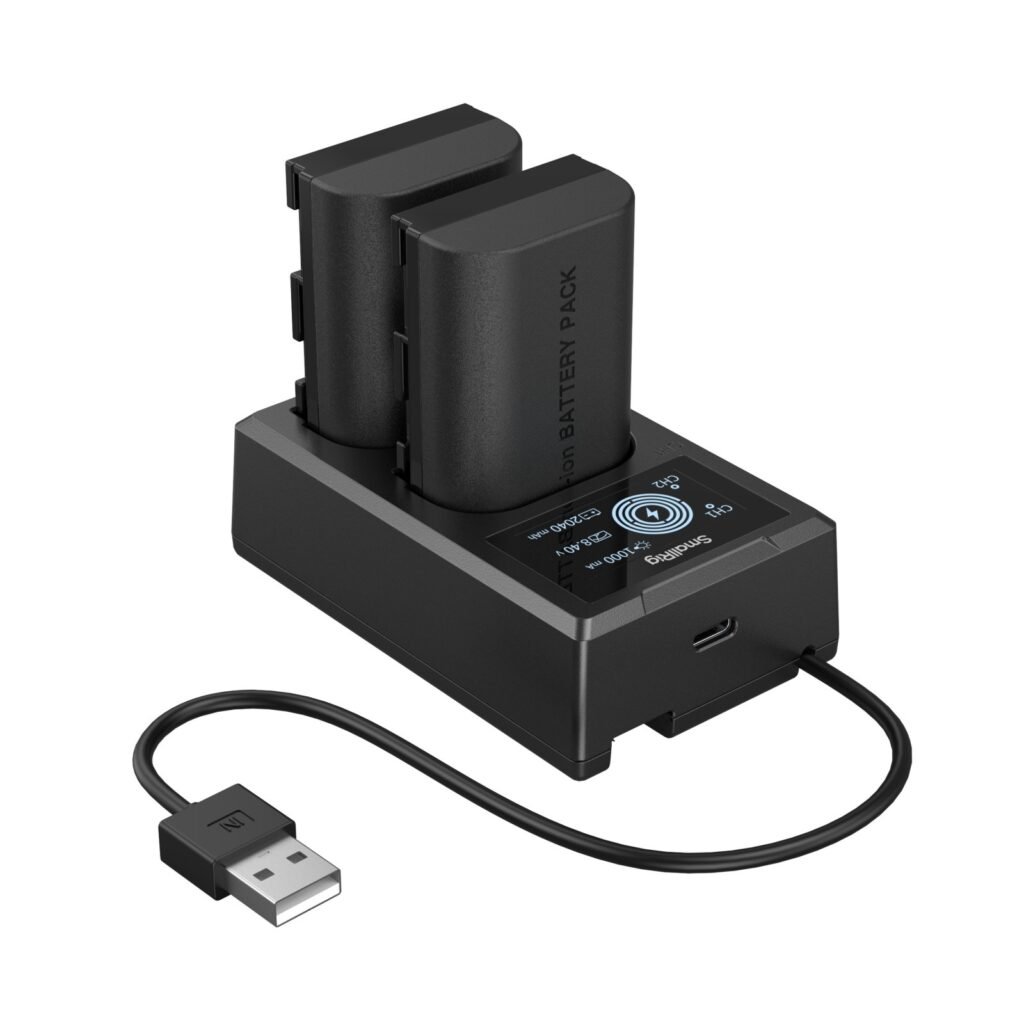
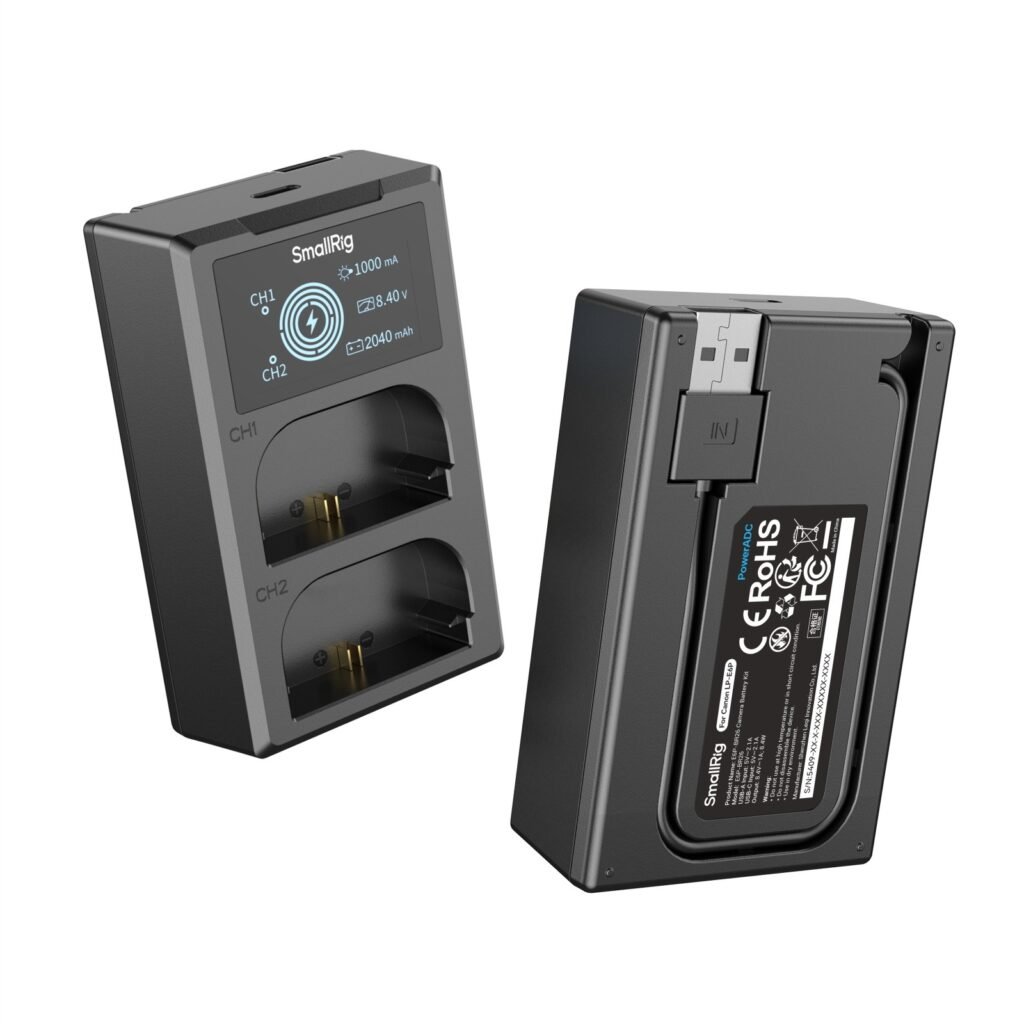
A camera accessories manufacturer used scraping to analyze over 50,000 customer reviews across competing platforms, extracting mentions of specific features, pain points, and desired functionality. Companies like SmallRig have leveraged similar review analysis to understand photographer frustrations with existing rig systems, identifying opportunities for improved mounting solutions and modular designs. This analysis revealed that users consistently complained about poor mobile experiences and complicated team permission settings in software tools—areas where existing solutions fell short. By prioritizing features that address genuine user needs discovered through systematic data collection, businesses can position their products around unmet demands, driving higher trial conversion rates and establishing clear differentiation in crowded markets. The same approach applies to understanding customer concerns about camera batteries, where review analysis reveals priorities around longevity, compatibility, and charging convenience that inform product development decisions.
Leveraging Data Scraping for Marketing Success
Data scraping has evolved from a technical novelty into an essential marketing capability that separates informed decision-makers from those relying on incomplete information. Throughout this exploration, we’ve seen how automated data collection transforms scattered online information into strategic intelligence—enabling businesses to monitor competitors systematically, understand customer sentiment at scale, and detect market shifts before they become obvious. The technology addresses a fundamental challenge facing modern marketers: the impossibility of manually tracking the vast, constantly changing digital landscape where customers research, discuss, and purchase products.
The practical applications span every aspect of marketing strategy. Competitive analysis becomes continuous rather than sporadic, revealing pricing patterns and product gaps that create immediate opportunities. Customer insights emerge from aggregating thousands of reviews and social conversations, uncovering specific pain points and preferences that guide product development and messaging. Behavioral data collected across platforms reveals how real consumers navigate purchase decisions, informing everything from website design to content strategy. These capabilities deliver measurable results—the case studies demonstrated revenue increases exceeding 20% and dramatically improved conversion rates by grounding strategies in actual market intelligence rather than assumptions.
Success with data scraping requires balancing technical capability with ethical responsibility and strategic focus. Choose services that combine robust infrastructure with industry expertise, ensuring they can adapt as your needs evolve while maintaining data quality and legal compliance. Start with clearly defined objectives, implement proper quality controls, and integrate scraped data into broader analytics frameworks where it can inform decisions across your organization. When executed thoughtfully, data scraping transforms marketing from educated guessing into precision strategy, giving businesses the customer understanding and competitive awareness needed to thrive in increasingly complex markets.