Varicose veins can significantly affect our comfort, appearance, and overall quality of life. Seeking guidance from a trusted vein clinic can help us understand what varicose veins are, their underlying causes, and the most effective ways to manage them. In this guide, we’ll explore strategies to alleviate pain and swelling, ranging from lifestyle adjustments and home remedies to medical treatments. By understanding our options and taking proactive steps, we can regain control of our vascular health and enjoy healthier, more comfortable legs.
Understanding Varicose Veins
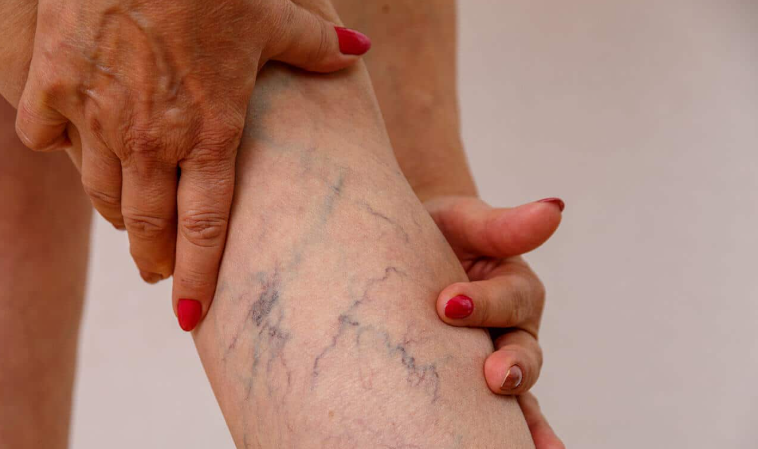
Varicose veins are enlarged, twisted veins that often appear visible under our skin, typically in the legs and feet. They result from weakened or damaged valves in the veins, which can cause blood to pool rather than flow smoothly back to the heart.
Causes and Symptoms of Varicose Veins
Several factors contribute to the development of varicose veins. One primary cause is the weakening of vein walls and valves due to age. As we age, our veins lose elasticity, leading to increased pressure and swelling. Other common symptoms include:
- Bulging, twisted veins
- Aching or heavy feelings in the legs
- Swelling of the feet or ankles
- Itching around the veins
- Skin discoloration near the veins
It’s important for us to recognize these symptoms early, as they can worsen without proper management.
Risk Factors for Developing Varicose Veins
Certain factors can increase our likelihood of developing varicose veins. These include:
- Genetics: A family history of varicose veins raises our risk.
- Gender: Women are generally more susceptible due to hormonal factors.
- Obesity: Excess weight places more pressure on our veins.
- Pregnancy: The pressure of the growing uterus on pelvic veins can lead to varicose veins.
By understanding these risk factors, we can take proactive steps to mitigate our chances of developing this condition.
Pain Management Techniques for Varicose Veins
Managing the discomfort associated with varicose veins begins with a holistic approach.
Lifestyle Changes to Alleviate Discomfort
Adopting certain lifestyle changes can profoundly impact our experience with varicose veins. Here are some actionable steps we can take:
- Stay Active: Regular exercise promotes healthy blood circulation. Activities like walking, swimming, or cycling can strengthen our leg muscles and improve vein function.
- Elevate Our Legs: Whenever we sit or lie down, we should aim to elevate our legs above the level of our heart to reduce swelling.
- Avoid Prolonged Sitting or Standing: If our jobs require us to sit or stand for extended periods, it’s essential to take regular breaks, shift our weight, or do some light stretches to promote blood flow.
Compression Therapy and Its Benefits
Compression therapy is another effective method to manage symptoms. Wearing compression stockings can help by applying gentle pressure on our legs, promoting better blood circulation and reducing the feeling of heaviness.
- Choosing the Right Stockings: It’s essential to select stockings that fit well and provide adequate compression. We might consider consulting with a healthcare professional to find the best option suited for us.
Medical Treatments for Varicose Veins
When lifestyle changes and compression therapy aren’t enough, it may be time to explore medical treatments.
Sclerotherapy and Laser Treatments
Sclerotherapy is a common procedure where a solution is injected into the affected veins, causing them to close and fade away. This treatment can significantly reduce the appearance of varicose veins and alleviate pain for many.
On the other hand, laser treatments use focused light to treat smaller varicose veins. They are minimally invasive and often lead to less discomfort and quicker recovery times.
Preventive Measures to Keep Veins Healthy
Prevention plays a vital role in managing varicose veins and ensuring optimal vascular health.
Exercise and Physical Activity
Regular physical activity is crucial for maintaining healthy veins. We should aim for at least 30 minutes of moderate exercise on most days of the week. Activities that strengthen our calf muscles, such as walking and leg exercises, help help blood flow back to the heart, reducing the risk of varicose veins developing further.
Dietary Considerations for Vascular Health
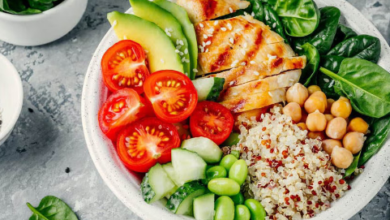
Our diet can also impact our vein health. Incorporating foods rich in fiber helps prevent constipation, which can lead to increased pressure in our veins. Also, foods high in flavonoids, like berries, citrus fruits, and dark chocolate, can improve vascular health by strengthening blood vessels. Staying hydrated is equally important, as it helps maintain healthy blood circulation.
Conclusion
To conclude, while varicose veins can be a common and frustrating condition, we can take many steps to reduce pain and swelling. By incorporating lifestyle changes, considering medical treatments when necessary, and adopting preventive measures, we empower ourselves to manage our vascular health effectively. Remember, awareness of our body and proactive care can make a significant difference in our overall well-being.