Cable compatibility problems frustrate many people who use multiple devices every day. Phones, tablets, laptops, earbuds, and accessories often arrive with different cables and charging standards. A Type-C charger changes that experience by creating a shared connection standard that works across brands and device categories. Instead of guessing which cable fits which device, users rely on one universal approach that feels predictable and efficient. This article explains how Type-C charging reduces compatibility issues, why it simplifies daily charging habits, and how modern multi-port chargers naturally fit into this ecosystem. The goal is not to push technology for its own sake, but to show how a simpler charging setup improves clarity, convenience, and long-term usability for real users.
How Type-C Creates a Unified Charging Language
One Connector for Multiple Device Types
Type-C was designed to replace a fragmented cable landscape. Many people once carried separate cables for phones, tablets, laptops, and accessories. With Type-C, the same connector shape works across all these devices. This reduces confusion at the most basic level. You no longer need to inspect cable ends or remember which cable belongs to which product. A single Type-C cable can move from a phone to a tablet or a notebook without hesitation. That shared physical design removes the most common compatibility issue before charging even begins. This matters most in shared spaces.
Smarter Power Negotiation Between Devices
Beyond the connector shape, Type-C introduces intelligent communication between the charger and the device. When you plug in a device, both sides exchange information about power needs. The charger adjusts output accordingly, and the device draws only what it requires. This prevents guesswork and avoids mismatched charging scenarios. This smart negotiation reduces compatibility problems that once caused slow charging or inconsistent performance. A phone, tablet, and laptop can all connect using the same cable type, yet each receives appropriate power. Users do not need to manually select chargers or ports.
Reduced Dependence on Proprietary Cables
Many compatibility issues come from proprietary cables that work with only one brand or model. Type-C limits that dependency. When manufacturers adopt the same standard, users gain freedom. They can replace a cable easily, borrow one when needed, or upgrade devices without rebuilding their entire charging setup. This flexibility supports long-term usability. Devices change faster than charging habits. A standard cable ensures that new purchases fit into existing routines. Type-C does not eliminate choice, but it removes unnecessary barriers that once locked users into specific accessories.
How a Type-C Charger Simplifies Daily Charging Habits
Fewer Chargers, Less Clutter
A Type-C charger allows people to consolidate charging tools. Instead of storing separate chargers for phones, tablets, and laptops, users rely on one central solution. This reduces clutter on desks, nightstands, and power strips. Fewer chargers also mean fewer cables tangled together, which directly lowers confusion and compatibility errors. This simplification affects daily routines. Packing for travel becomes easier. Setting up a workspace takes less time. When a charger works with most devices, people stop thinking about compatibility and focus on the task at hand. That mental relief is one of the most overlooked benefits of Type-C charging.
Shared Charging in Multi-Device Households
Households often include devices from different manufacturers. Compatibility issues arise when each device demands a unique charger. Type-C changes this dynamic by creating a shared charging infrastructure. Family members can plug in their devices without worrying about brand differences. This shared approach encourages consistency. A common charging area becomes possible, and everyone understands how to use it. Over time, this reduces lost cables, damaged connectors, and unnecessary replacements. The charger becomes a stable part of the environment rather than a fragile accessory.
Practical Fit for Modern Multi-Port Chargers
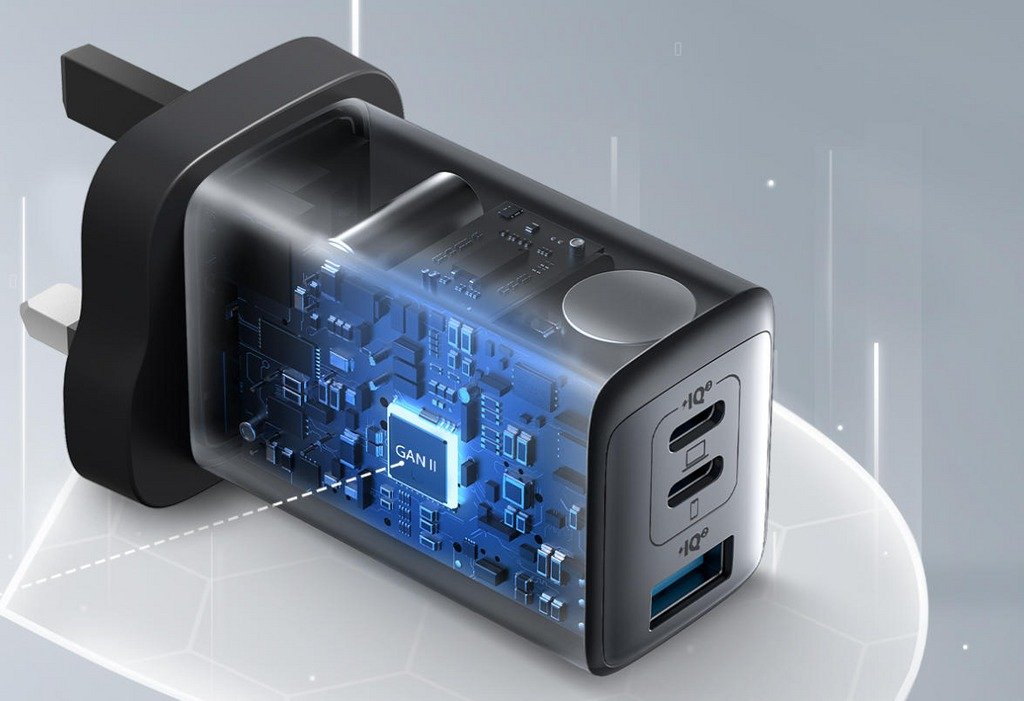
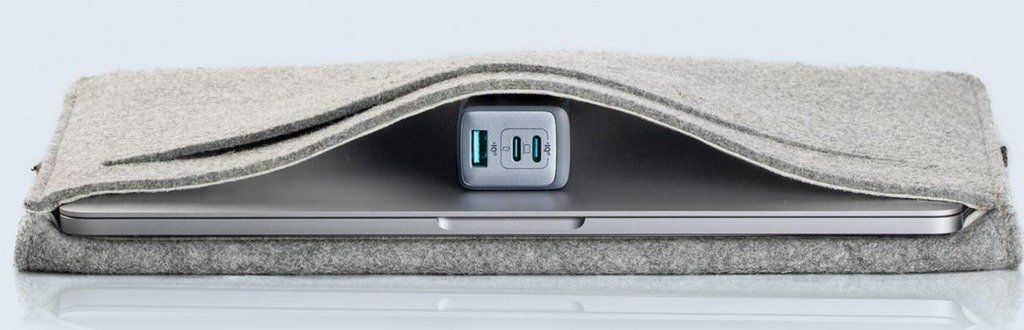
Modern Type-C chargers often support multiple devices at once. Products like the Anker 735 Charger naturally fit this use case. Its compact form and multi-device support reflect how people actually charge today. Instead of swapping chargers throughout the day, users connect several devices and let the charger manage distribution efficiently. This does not feel like a technical upgrade. It feels like a practical improvement. The charger adapts to daily needs without requiring attention. That quiet reliability is what makes Type-C charging sustainable in real life.
Why Type-C Reduces Long-Term Compatibility Risks
Future-Ready Device Transitions
Compatibility issues often appear during upgrades. A new device arrives, but old chargers no longer fit. Type-C reduces that risk by acting as a bridge between generations. Many modern devices already rely on Type-C, and new releases continue that trend. This continuity protects users from sudden changes. A charger purchased today remains useful tomorrow. Even when device capabilities evolve, the underlying connection stays familiar. That stability encourages smarter purchasing decisions and reduces electronic waste.
Safer Charging Through Standardization
Standardization improves safety. Type-C chargers follow clear guidelines for power delivery and communication. Devices and chargers understand each other before power flows. This reduces uncertainty and supports safer charging environments. Chargers designed around this standard, such as the Anker 735 Charger, align with recognized safety requirements. Users benefit from consistent behavior across devices. They do not need to question whether a charger suits a specific product. The standard handles those decisions quietly in the background.
A Cleaner Ecosystem for Cables and Accessories
When most devices share the same charging interface, the entire accessory ecosystem becomes simpler. Retailers stock fewer cable types. Users recognize what they need instantly. Replacement becomes straightforward. This clarity reduces compatibility errors caused by confusion. People stop buying cables that “almost fit” or chargers that work only in limited situations. Over time, the charging ecosystem becomes cleaner, more predictable, and easier to maintain.
Conclusion
Type-C charging reduces cable compatibility issues by replacing fragmentation with clarity. One connector works across devices, smart power negotiation removes guesswork, and standardization supports safer, more reliable charging habits. Daily routines benefit from fewer chargers, less clutter, and shared usability across households. Over the long term, Type-C protects users from upgrade-related compatibility problems and simplifies the entire accessory ecosystem. By adopting a type c charger, users gain consistency, confidence, and a charging setup that feels ready for whatever devices come next.