Modern residential design has evolved dramatically over the past decade, and it’s honestly pretty exciting to watch. Technology, environmental awareness, and shifting lifestyle preferences have all played a role in this transformation. Today’s homeowners aren’t just looking for four walls and a roof, they want spaces that truly reflect who they are while making daily life easier, more sustainable, and genuinely enjoyable. Smart home features, nature-inspired design elements, and adaptable spaces are turning ordinary houses into sophisticated environments that work with you, not against you. Understanding these cutting-edge trends can help you create a home that feels current yet timeless, delivering comfort, efficiency, and beauty for decades to come.
Smart Home Technology Integration
Smart home technology has become essential in modern residential design, giving you unprecedented control over your living environment. Intelligent lighting systems let you adjust brightness and color temperature with just your voice or a quick tap on your phone, perfect for setting the mood whether you’re hosting dinner or winding down for the evening. Climate control systems have gotten seriously smart too, learning your patterns and adjusting temperatures automatically to keep things comfortable while saving energy. Security features now include everything from video doorbells to integrated camera systems and automated locks, letting you monitor your home and grant access remotely.
Flexible Multi-Purpose Spaces
Gone are the days when every room had exactly one purpose, and that was that. Modern homes embrace flexibility, with spaces that transform to meet whatever life throws at you. Open-concept designs remain popular, but they’ve evolved beyond just knocking down walls, think about movable partitions, sliding panels, and smart furniture that lets you reconfigure spaces on the fly. Your home office might become a guest room when family visits, while your dining area doubles as a productive workspace during the week.
Sustainable and Eco, Friendly Design Elements
Environmental responsibility isn’t just a buzzword anymore, it’s become central to how thoughtful homeowners approach design. Solar panels have come a long way from those clunky eyesores of the past, with sleek options that integrate beautifully with your roof architecture. Green roofs and living walls serve double duty, providing excellent insulation while creating stunning visual statements and supporting local ecosystems. Water conservation features like rainwater harvesting, greywater recycling, and low-flow fixtures dramatically cut your environmental footprint while lowering those monthly bills. Modern energy-efficient windows maximize natural light without letting heat escape, reducing how much you rely on artificial lighting and climate control. Sustainable building materials, reclaimed wood, recycled metal, eco-friendly composites, prove that you don’t have to compromise luxury or style to make responsible choices. Here’s something that might surprise you: many of these green features qualify for tax incentives and rebates, making sustainable design not just environmentally smart but financially advantageous too.
Indoor-Outdoor Living Connections
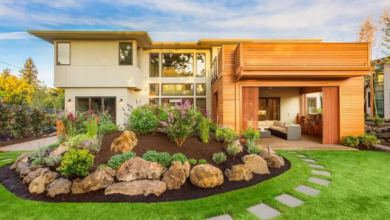
Contemporary home design increasingly embraces the idea that your living space shouldn’t stop at your walls. Oversized sliding glass doors, folding wall systems, and disappearing corner installations let entire rooms open directly onto patios or gardens, essentially doubling your usable space when weather permits. Outdoor kitchens and living areas equipped with weather-resistant furniture, heating elements, and even entertainment systems extend your home’s functionality well beyond traditional boundaries. Covered outdoor spaces with retractable screens or glass panels protect you from bugs and bad weather while maintaining that fresh, air experience. When planning these sophisticated transitions, Aspen architects integrate mountain views and natural surroundings into design schemes that maximize both functionality and aesthetic impact. Thoughtful landscaping with native plants, strategic lighting, and water features creates exterior spaces that feel like natural extensions of your interior design. Visual continuity through consistent flooring materials, color schemes, and architectural details makes the flow between inside and outside feel seamless. This approach doesn’t just increase your property value, it actually promotes healthier living by encouraging more time in natural light and fresh air, which research shows benefits both mental and physical well-being.
See also: Soundbars: Transform Your Home Audio Experience
Wellness-Focused Design Features
Your home is increasingly becoming a personal wellness sanctuary, with features specifically designed to support your physical health and emotional balance. Dedicated meditation rooms or yoga spaces offer quiet retreats from daily chaos, typically featuring natural materials, gentle lighting, and minimalist aesthetics that make it easier to unwind. Air purification systems, non-toxic materials, and abundant ventilation create healthier indoor environments by cutting down on allergens, pollutants, and harmful chemicals that often lurk in traditional homes. Circadian lighting systems mimic natural daylight patterns throughout the day, helping regulate your sleep cycle and boost mood, especially valuable if you’re working in spaces with limited windows.
Conclusion
Innovative residential design features represent something bigger than just following trends, they’re fundamentally changing how we experience our living spaces. Technology, sustainability, and wellness are no longer separate considerations but interwoven elements of thoughtful home design. As homeowners become more design-savvy and informed, demand for these forward-thinking features continues growing, pushing architects and designers to develop increasingly creative solutions. Whether you’re building from scratch or renovating your current space, incorporating these innovations can dramatically enhance your daily life while boosting property value and reducing environmental impact. The real key is selecting features that align with your specific lifestyle, aesthetic preferences, and long-term goals rather than just chasing what’s trendy. By thoughtfully integrating smart technology, flexible spaces, sustainable elements, indoor-outdoor connections, and wellness-focused features, you’ll create a residence that doesn’t just meet today’s needs but adapts gracefully to whatever tomorrow brings.