Selecting the right cushioning materials is a critical part of building an effective packaging strategy. Whether you are shipping fragile electronics, heavy industrial components, or high-volume eCommerce orders, the materials you choose directly impact product safety, customer satisfaction, and overall operational costs. A well-planned cushioning approach minimizes damage, reduces returns, and helps maintain a consistent brand experience from warehouse to final delivery.
Cushioning materials are designed to absorb shock, reduce vibration, and prevent movement during transit. In most supply chains, packages are handled multiple times, stacked with other shipments, and exposed to varying conditions. Without proper protection, even a short drop or minor shift inside a box can result in product damage. The goal is to create a protective environment inside the packaging that stabilizes the product while absorbing external forces.
The first step in choosing the best cushioning material is understanding the level of protection your product requires. Fragile items such as glass, electronics, and medical devices need high-performance cushioning that absorbs impact and eliminates movement. In these cases, foam packaging or custom-engineered inserts are often the most effective solution. Heavier products, such as machinery parts or industrial components, require materials that can withstand compression and maintain their structure under weight. Dense foam or molded pulp solutions tend to perform better in these environments. On the other end of the spectrum, lightweight items may only need basic void fill to prevent shifting, making air pillows or paper cushioning a more cost-effective option.
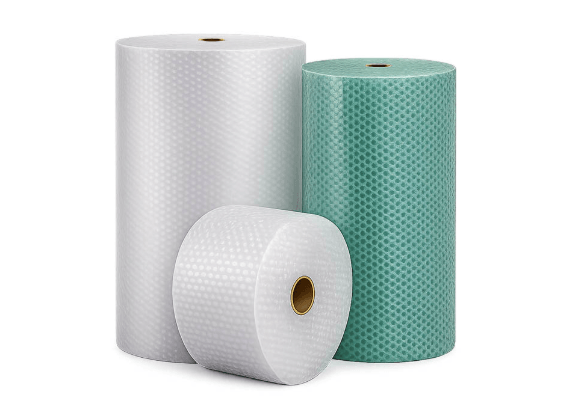
There are several common types of cushioning materials, each with its own strengths. Foam packaging is one of the most versatile and widely used options. It provides excellent shock absorption and can be customized to fit the exact shape of a product, ensuring maximum protection. Polyethylene foam is known for its durability and moisture resistance, while polyurethane foam offers a softer structure for delicate items. Bubble wrap is another popular option, particularly for lightweight and moderately fragile products. It is easy to use and cost-effective, though it may not provide sufficient protection for heavier shipments.
Air pillows are primarily used as void fill, helping to stabilize products within a box. They are lightweight and efficient, making them ideal for high-volume shipping environments where reducing dimensional weight is a priority. However, they offer limited shock absorption and are not suitable for highly fragile or heavy items. Paper cushioning has become increasingly popular as companies look for more sustainable packaging solutions. It provides moderate protection and works well for wrapping and void fill, especially for brands focused on eco-friendly practices. Molded pulp, made from recycled materials, offers structured protection and is often used for products that require a secure fit while maintaining sustainability goals.
When evaluating cushioning materials, several factors should guide your decision. Product fragility is one of the most important considerations. The more sensitive the product, the more advanced the cushioning solution needs to be. Shipping conditions also play a major role. Packages that travel long distances or pass through multiple handling points require stronger protection compared to local or controlled deliveries. Cost is another key factor, but it should always be balanced with performance. Choosing the cheapest material may reduce upfront expenses, but it can lead to higher costs in the form of product damage and returns.
See also: Enhancing Automotive Business Operations for Financial Efficiency
Packaging efficiency is equally important, especially for businesses operating at scale. Materials that are easy to store, handle, and apply can significantly improve packing speed and reduce labor costs. Many companies invest in automated systems for air pillows or paper cushioning to streamline operations. Sustainability is also becoming a major driver in material selection. Recyclable and biodegradable options, such as paper and molded pulp, help companies meet environmental goals while appealing to environmentally conscious customers.
Another important decision is whether to use off-the-shelf or custom cushioning solutions. Standard materials like bubble wrap and air pillows offer flexibility and convenience, making them suitable for a wide range of applications. However, they may not provide the best protection for uniquely shaped or high-value products. Custom cushioning, such as die-cut foam inserts, is specifically designed to fit your product and eliminate movement during transit. While the initial investment may be higher, custom solutions often reduce damage rates and improve long-term cost efficiency.
Testing and validation are essential steps in the selection process. Packaging should be tested under real-world conditions to ensure it performs as expected. Drop testing simulates handling impacts, vibration testing replicates transportation movement, and compression testing evaluates stacking strength. These tests provide valuable data that helps refine your packaging design and confirm that your cushioning materials are adequate.
Cushioning materials should always be a part of a larger packaging system. They must work in coordination with outer packaging, such as corrugated boxes, pallets, and stretch wrap. A well-integrated system takes into account box size, product placement, and load stability to create a cohesive solution that protects products throughout the supply chain. Many businesses benefit from working with an industrial packaging supplier that offers vendor managed packaging programs, ensuring consistent material availability and ongoing optimization.
Choosing the best cushioning materials is not a one-size-fits-all decision. It requires a clear understanding of your product, shipping environment, and business objectives. By carefully evaluating your options and taking a strategic approach, you can develop a packaging system that delivers reliable protection, improves efficiency, and supports long-term growth.