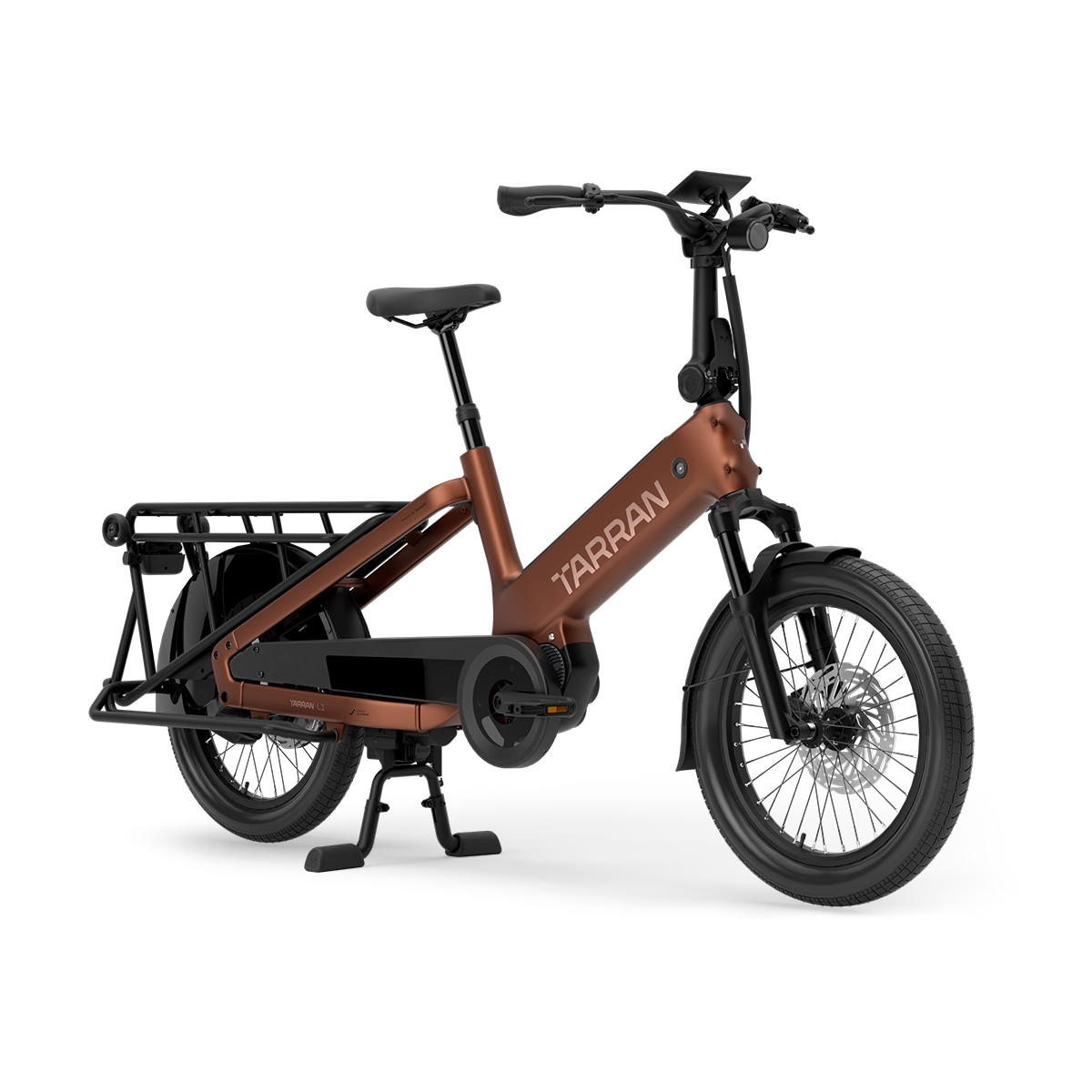
Longtail cargo e-bikes have surged in popularity across urban landscapes, becoming the go-to solution for families hauling kids to school, small business owners making local deliveries, and commuters replacing car trips with two-wheeled alternatives. But with their extended frames, heavier payloads, and increased road presence, these bikes introduce safety challenges that standard bicycles simply don’t face. Navigating city traffic on a bike that’s essentially the size of a small motorcycle demands a higher level of situational awareness — and smarter safety technology.
This is where integrated signals and advanced alert systems change the game. Unlike bolt-on accessories, integrated turn signals, brake lights, and ambient lighting communicate your intentions clearly to drivers and pedestrians. Meanwhile, cutting-edge technologies like Sentry Mode and vehicle detection systems add a proactive layer of protection, alerting you to threats before they become collisions. Together, these innovations transform a longtail cargo e-bike from a capable hauler into a genuinely road-safe machine. In the sections ahead, we’ll break down how these systems work, why they matter for tech-savvy riders, and exactly how to implement them on your own setup.
The Critical Role of Bike Safety for Longtail Cargo E-bike Enthusiasts
Riding a longtail cargo e-bike through city streets is fundamentally different from commuting on a standard bicycle. These machines can stretch up to eight feet in length, carry payloads exceeding 400 pounds, and reach speeds that make sudden stops genuinely dangerous. That combination of size, weight, and velocity creates a risk profile closer to a small motor vehicle than a conventional bike — yet most riders share lanes and intersections designed with regular cyclists in mind.
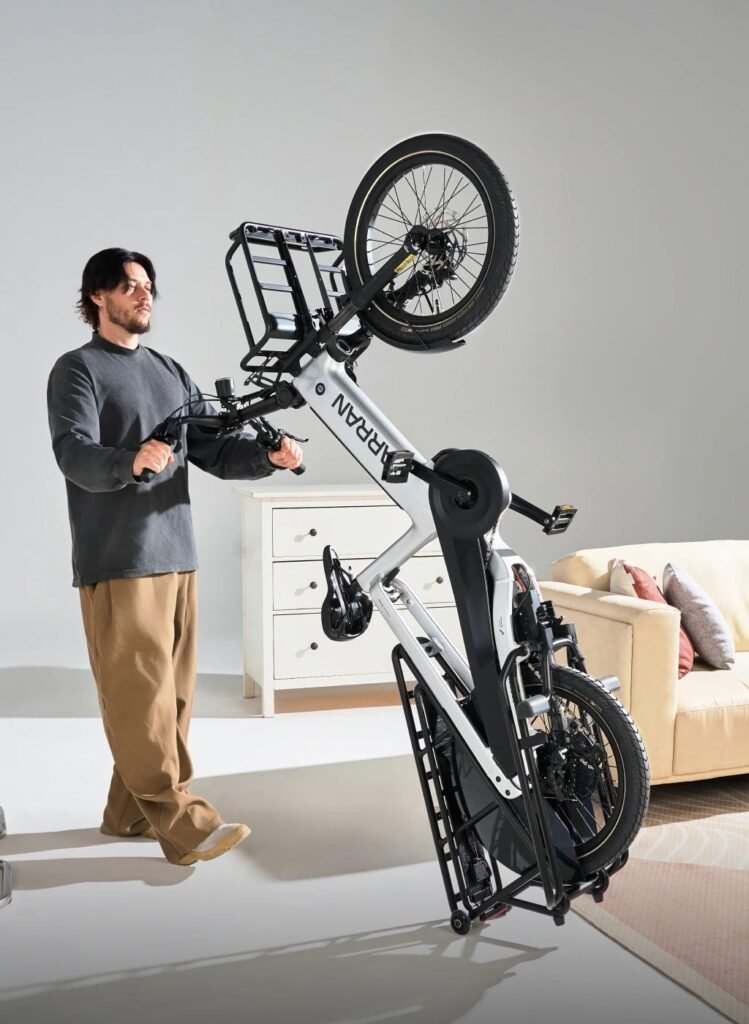
The numbers reflect this reality. According to traffic safety researchers, cargo bikes are disproportionately involved in intersection collisions, largely because other road users misjudge their speed and stopping distance. A loaded longtail carrying two children and a week’s worth of groceries doesn’t brake the way a 20-pound road bike does. Drivers pulling out of side streets or opening car doors rarely account for the extra momentum, and by the time a conflict becomes obvious, the reaction window has already closed.
Tech-savvy riders understand that passive safety measures — a helmet, reflective vest, and a basic front light — are necessary but insufficient for these conditions. The shift toward proactive safety technology reflects a broader understanding: preventing an incident is always preferable to surviving one. Integrated signals that broadcast your intentions in real time, sensors that detect approaching vehicles before you can see them, and alert systems that keep you informed of your surroundings all work together to close the gap between awareness and reaction. For anyone regularly hauling cargo or passengers, investing in these systems isn’t optional — it’s the responsible baseline for operating a machine of this size on public roads.
Understanding Integrated Signaling Systems: A Deep Dive
Integrated signals are purpose-built lighting and communication systems designed as part of a bike’s core electronics rather than clipped on as afterthoughts. Where traditional bike lights simply illuminate the road ahead or make you marginally more visible, integrated systems actively communicate your intentions — turn directions, braking, and position — to every road user around you. That distinction matters enormously on a longtail cargo e-bike, where your extended footprint and unpredictable stopping behavior can catch drivers completely off guard.
A complete integrated signaling setup typically includes three core components. Turn signals, usually mounted at both the front and rear of the frame, flash directionally when activated via handlebar-mounted controls, giving drivers the same visual cues they’d expect from a car or motorcycle. Brake lights automatically illuminate when deceleration is detected — either through a sensor on the brake lever or via the e-bike’s motor controller reading speed changes — giving following traffic a critical fraction of a second of extra warning. Ambient lighting rounds out the system, providing 360-degree low-level illumination that makes the bike’s full profile visible in low-light conditions, helping drivers accurately judge your size and position.
The safety benefits compound quickly. Riders who use integrated turn signals report feeling significantly more confident executing lane changes and left turns, situations that account for a disproportionate share of urban cycling collisions. Brake lights alone can reduce rear-end incidents by giving drivers the reaction time a standard reflector simply can’t provide.
How Integrated Signals Work with E-bike Electronics
Most integrated signal systems tap directly into the e-bike’s main battery, eliminating the need for separate charging and ensuring the lights are always powered when the bike is on. Wired systems offer the most reliable connection and are ideal for new builds, while wireless systems using ANT+ or Bluetooth protocols suit retrofitting scenarios where running cables through an existing frame isn’t practical. Manufacturers like TARRAN have built their longtail platforms with dedicated wiring channels and controller interfaces specifically designed to support these kinds of integrated signal kits out of the box. Compatibility is the critical checkpoint — verify that your bike’s voltage output and controller interface match the signal kit’s requirements before purchasing, as mismatched systems can cause erratic behavior or component damage.
Advanced Alert Systems: Sentry Mode and Vehicle Detection for Enhanced Protection
Beyond signaling your intentions to others, the next frontier in longtail cargo e-bike safety involves knowing what’s happening around you before you can see it. Advanced alert systems — particularly Sentry Mode and vehicle detection technology — represent a meaningful leap forward in proactive rider protection, borrowing concepts from the automotive world and adapting them for two-wheeled use.
Sentry Mode functions as a persistent monitoring system that keeps watch over your bike when it’s parked and unattended. Using a combination of motion sensors and cameras, it detects tampering, attempted theft, or suspicious activity in the bike’s immediate vicinity and sends real-time notifications to your paired smartphone. For cargo e-bike owners who regularly park expensive machines loaded with gear outside schools, offices, or delivery stops, this kind of continuous awareness is genuinely valuable. Some implementations also log video footage, giving you documentation if an incident does occur.
Vehicle detection systems take protection a step further by actively monitoring your surroundings while you ride. Radar-based sensors mounted at the rear of the bike — similar to blind-spot monitoring in cars — detect approaching vehicles and alert you through handlebar vibrations, audible tones, or heads-up display warnings before the threat enters your peripheral vision. This is particularly critical on a longtail, where your extended rear end can occupy more of a lane than drivers anticipate, making overtaking situations genuinely hazardous.
Real-world riders using these systems consistently report a reduction in close-call incidents, particularly on multi-lane roads and at highway-adjacent intersections. The alert buys you the fraction of a second needed to hold your line, signal defensively, or brake — a window that often makes the difference between a near miss and a collision.
Key Features of Modern Alert Systems
Today’s alert systems go well beyond basic proximity warnings. Top-tier options offer real-time smartphone integration with incident mapping, automatic emergency braking assistance that works in conjunction with the e-bike’s motor controller, and customizable sensitivity thresholds so urban stop-and-go traffic doesn’t trigger constant false alarms. Brands like Garmin Varia, Bosch’s eBike Connect ecosystem, and Specialized’s ANGi platform each approach these features differently, so matching a system to your specific bike’s electronics and your riding environment is worth the research investment before committing to a purchase.
Practical Steps to Maximize Safety with Your Longtail Cargo E-bike
Turning safety theory into practice starts with an honest assessment of your current setup. Before purchasing any integrated signal kit or alert system, audit your e-bike’s electrical specifications — check the battery voltage, controller output, and available wiring ports. Most longtail cargo e-bikes run on 36V or 48V systems, and your chosen signal kit must match that range. If your bike uses a proprietary controller from brands like Bosch or Shimano Steps, look specifically for systems certified to work within those ecosystems, since third-party components can interfere with motor management software.
Once compatibility is confirmed, selecting the right integrated signal kit comes down to three factors: mounting options for your specific frame geometry, weather resistance rating (IP65 or higher for year-round urban use), and handlebar control ergonomics that work with your existing brake and gear levers. Kits from Reelight, Lupine, and Busch+Müller offer solid starting points, each with different installation profiles suited to longtail frames.
Installing Sentry Mode and vehicle detection systems follows a similar logic. Mount rear radar sensors — like the Garmin Varia RCT715 — at the lowest point of your rear rack to maximize detection range without obstructing cargo space. Run power cables through existing frame channels where possible, securing them with zip ties at six-inch intervals to prevent vibration wear.
Configuration matters as much as installation. Set vehicle detection sensitivity to medium initially, then adjust after a week of real-world riding to eliminate false positives from urban traffic density. For Sentry Mode, define a geofenced alert radius that matches your typical parking situations — tighter in busy areas, broader in quieter locations.
Finally, test every component before your first loaded ride. Activate turn signals while stationary and verify visibility from 50 feet in daylight. Check brake light response time by applying gradual and hard stops. Run a full Sentry Mode alert cycle to confirm smartphone notifications arrive within five seconds. Schedule a monthly inspection of all cable connections, particularly after wet weather, since moisture ingress at junction points is the leading cause of integrated system failures.
Building a Safer Cargo E-bike for Urban Riding
Longtail cargo e-bikes are remarkable machines — capable, practical, and increasingly central to how urban riders move people and goods through city streets. But their size, weight, and speed demand a safety infrastructure that goes well beyond a basic light and a helmet. Integrated signals close the communication gap between you and every driver sharing your road, broadcasting your intentions with the same clarity they’d expect from a car. Advanced alert systems like Sentry Mode and vehicle detection add a proactive layer of awareness, catching threats before they escalate into emergencies.
For tech-savvy riders, the path forward is clear: audit your current setup, invest in compatible integrated signal kits, and layer in radar-based detection and Sentry Mode monitoring to build a genuinely comprehensive safety system. These aren’t luxury upgrades — they’re practical tools that directly reduce your exposure to the most common collision scenarios cargo e-bike riders face.
The future of bike safety is moving fast. Smarter sensors, tighter integration with motor management systems, and AI-assisted threat detection are already in development across major e-bike platforms. Getting familiar with today’s technology positions you to adopt tomorrow’s improvements seamlessly. Start with the steps outlined here, ride with greater confidence, and encourage fellow cargo e-bike riders to do the same. Safer roads begin with better-equipped riders.