Every year, carbon monoxide poisoning claims hundreds of lives in the United States alone, with thousands more ending up in emergency rooms — all from a gas they never saw, smelled, or tasted. Known as the “silent killer,” carbon monoxide (CO) can fill a room while a family sleeps, offering no warning until it’s too late. In fact, the CDC estimates that over 400 Americans die from unintentional CO poisoning annually, a tragedy that is almost entirely preventable.
For parents, the stakes couldn’t be higher. Children are especially vulnerable to CO’s effects, experiencing symptoms faster and more severely than adults. Yet many households either lack a detector entirely or rely on an outdated unit that may no longer function reliably.
This guide is designed to change that. Whether you’re setting up protection in a new home or reassessing what you already have in place, you’ll find everything you need here — from understanding how CO builds to dangerous levels, to choosing the best carbon monoxide detector for your family’s specific needs, to installing and maintaining it correctly. Taking the right steps today can mean the difference between a close call and a catastrophe.
The Silent Threat: Understanding Carbon Monoxide Exposure and Health Risks
What is Carbon Monoxide and How Does Exposure Occur?
Carbon monoxide is a colorless, odorless, tasteless gas produced whenever fuel burns incompletely. In a typical home, that means your gas furnace, water heater, stove, fireplace, or attached garage can all become sources under the right — or rather, wrong — conditions. A cracked heat exchanger, a blocked flue, or a car left running briefly in the garage can release enough CO to reach dangerous concentrations within minutes. Because the gas has no detectable sensory properties, families have absolutely no natural warning system to rely on. That invisibility is precisely what makes it so lethal, and why a functioning detector isn’t optional — it’s essential.
Recognizing Dangerous Levels and Symptoms
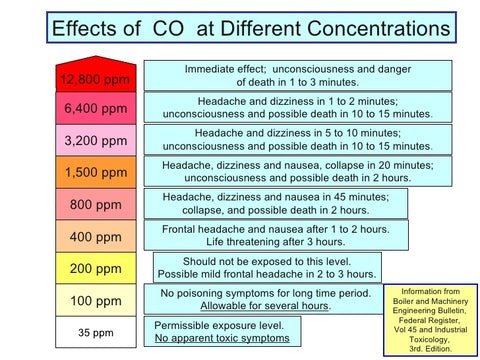
CO concentration is measured in parts per million (ppm), and the effects scale quickly with exposure level. At around 35 ppm, headaches and dizziness begin after several hours — symptoms that are easy to dismiss as a cold or fatigue. At 150–200 ppm, disorientation and unconsciousness can occur within a couple of hours. At 400 ppm and above, exposure becomes life-threatening in under an hour, and concentrations above 800 ppm can be fatal in as little as 45 minutes. Children, pregnant women, the elderly, and anyone with cardiovascular or respiratory conditions reach dangerous thresholds even faster than healthy adults.
What makes carbon monoxide exposure particularly treacherous is that its symptoms — nausea, headache, shortness of breath, confusion — closely mimic the flu, food poisoning, or simple exhaustion. Families have gone to bed feeling “under the weather,” never realizing the real cause. By the time symptoms escalate to loss of consciousness, escape may no longer be possible. Early detection through a properly placed alarm is the only reliable way to catch rising CO levels before they become a medical emergency.
How to Select the Best Carbon Monoxide Detector for Your Home
Key Features to Look For in a Detector
Choosing the best carbon monoxide detector starts with understanding what separates a reliable unit from one that might fail when it matters most. Sensor type is arguably the most important factor: electrochemical sensors are the gold standard for residential use, offering precise CO readings and a faster response to rising levels compared to older biomimetic (gel-based) sensors. Beyond the sensor itself, look for a loud alarm — at least 85 decibels — that can wake a sleeping household, along with a digital display showing real-time CO levels in ppm. That readout matters because it tells you whether you’re dealing with a minor issue or an immediate emergency. Other non-negotiable features include an end-of-life warning signal, which alerts you when the unit needs replacing, and a minimum five-year warranty. UL 2034 or CSA certification confirms the detector has met rigorous independent safety standards — don’t purchase any unit without one. Brands like X-Sense build these certifications and electrochemical sensor technology into their detectors, which is the kind of baseline worth looking for as you compare options.
Types of Detectors: Pros and Cons
Battery-operated detectors are the most flexible option, easy to place anywhere without proximity to an outlet, making them ideal for bedrooms and hallways. Their weakness is straightforward: dead batteries mean no protection, so they demand consistent maintenance. Plug-in models with battery backup offer a reliable middle ground — they draw continuous power from the wall while the backup battery kicks in during outages. Hardwired detectors, often interconnected throughout the home, are the most robust solution for whole-house coverage; when one alarm triggers, they all sound simultaneously. This interconnected capability is especially valuable in larger homes where a single unit might not be audible from every room.
Combination smoke and CO detectors have grown increasingly popular for their convenience, reducing the number of devices on your ceiling while still covering both threats. For smart home users, Wi-Fi-enabled detectors add real-time alerts to your phone — a genuine advantage if CO builds while the family is away or everyone is in a deep sleep. When deciding between types, consider your home’s layout: use hardwired or plug-in units with backup in main living areas and near sleeping zones, and place at least one detector on every level, including the basement if you have fuel-burning appliances there.
Installing Your Carbon Monoxide Alarm System Correctly
Ideal Locations for Maximum Protection
Placement determines whether your detector catches rising CO levels in time to matter. Install at least one detector on every level of your home, including the basement if it houses a furnace, water heater, or any fuel-burning appliance. The most critical locations are outside each sleeping area — if CO builds while your family sleeps, the alarm needs to wake everyone before disorientation sets in. Mount detectors at roughly knee-to-chest height on the wall, or on a shelf at that level; unlike smoke, CO is close to the weight of air and disperses relatively evenly throughout a room, so extreme high or low placement isn’t necessary. Keep units at least 15 feet from cooking appliances to reduce nuisance alarms, and avoid corners, closets, or spaces behind furniture where air circulation is poor.
Installation Do’s and Don’ts
Always read the manufacturer’s instructions before mounting — different models have specific requirements that override general guidelines. After installation, press the test button to confirm the alarm sounds correctly, and register the unit with the manufacturer to receive safety notifications. For hardwired models, turn off the circuit breaker before connecting wiring, and consider hiring a licensed electrician if you’re unfamiliar with home wiring. On the don’ts side: never install a detector inside a bathroom, where humidity can damage the sensor, or directly in a kitchen, where cooking fumes trigger false alarms. Avoid garages as a primary placement — CO from a car should be detected inside the living space, not only at the source. Finally, never paint over or cover the unit, as this blocks the sensor vents and renders the device unreliable.
Maintaining Your Detector for Reliable Safety
Regular Testing and Battery Care
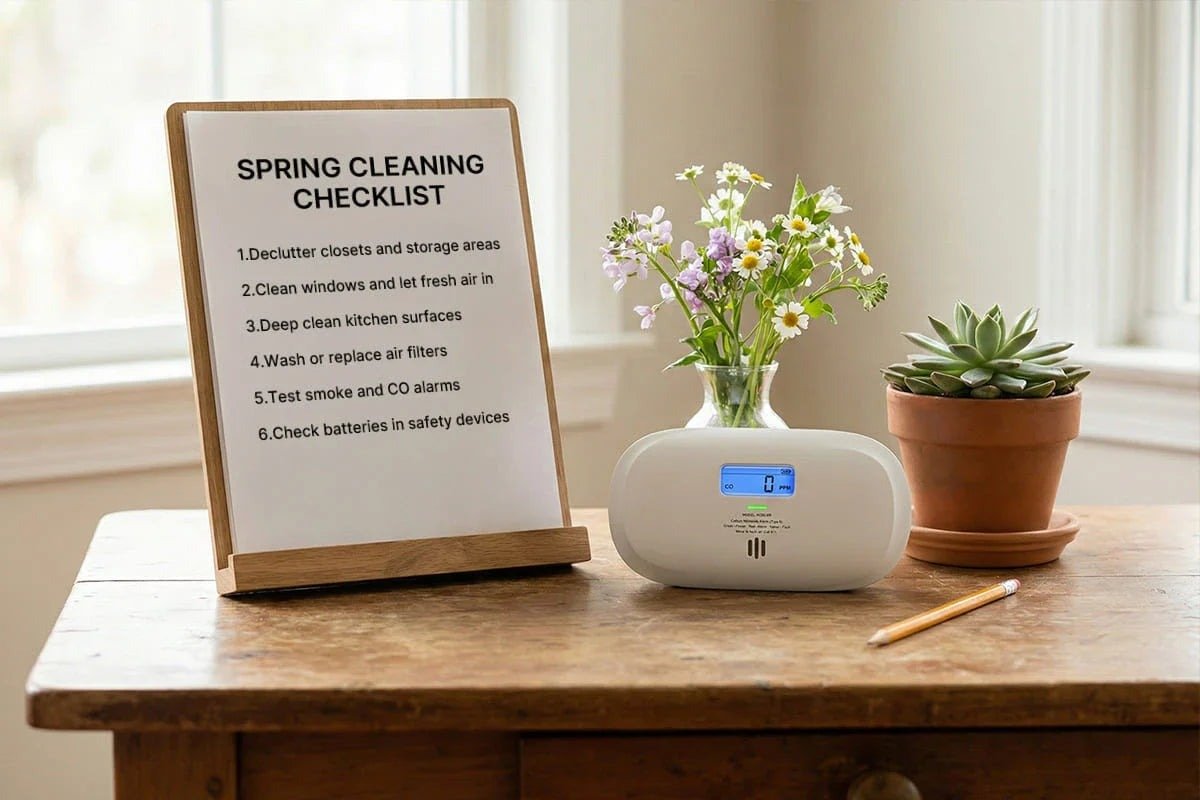
A detector that isn’t maintained is little better than no detector at all. Test every unit in your home by pressing the test button at least once a month — the alarm should sound within a few seconds. If it doesn’t respond or sounds weak, replace the batteries immediately and retest. For battery-operated models, swap in fresh batteries every six months; linking this task to a recurring event like daylight saving time changes makes it easy to remember. Keep a small supply of the correct battery size on hand so a dead battery never becomes an excuse for delayed replacement. Hardwired and plug-in units still rely on backup batteries, so apply the same schedule to those as well.
Cleaning and Sensor Maintenance
Dust and debris accumulating over the sensor vents are among the most common reasons detectors underperform. Every few months, use the brush attachment on a vacuum to gently clear the vents, or wipe the exterior with a dry cloth. Never spray cleaning products, air fresheners, or paint near the unit — chemical residue can coat the sensor and cause both false alarms and missed detections. Beyond cleaning, know your unit’s lifespan: most carbon monoxide detectors require full replacement every five to seven years, regardless of how well they appear to function. The electrochemical sensor degrades over time and loses sensitivity without any visible sign of failure. Check the manufacture date printed on the back of the unit, and replace it proactively before it reaches the end of its rated service life.
Proactive Safety Tips to Prevent Carbon Monoxide Poisoning
A detector is your last line of defense — not your only one. Schedule annual inspections of all fuel-burning appliances, including your furnace, water heater, and gas stove, with a licensed technician who can catch cracked heat exchangers or blocked flues before they become dangerous. Always ensure proper ventilation when using fireplaces or gas appliances, and never run a generator, grill, or any combustion engine indoors or in an attached garage, even with the door open. Establish a family emergency plan: if the alarm sounds, everyone exits immediately, stays outside, and calls 911 — no stopping to investigate the source first. These habits, paired with a properly maintained detector, create overlapping layers of protection that dramatically reduce your family’s risk.
Building Lasting Protection Against the Silent Killer
Carbon monoxide doesn’t announce itself — it simply accumulates, silently and invisibly, until the consequences become irreversible. But as this guide has shown, protecting your family from that threat is entirely within reach. Understanding how CO builds to dangerous levels, recognizing symptoms that are easy to misattribute, and knowing what separates a reliable detector from an inadequate one are the foundations of a genuinely effective safety strategy.
Selecting the right detector — one with an electrochemical sensor, a loud alarm, a digital ppm display, and proper certification — is only the beginning. Placing it correctly, testing it monthly, replacing batteries on schedule, and knowing when the unit itself has reached the end of its service life are what keep that protection real over time. Pair those habits with annual appliance inspections and a practiced family emergency plan, and you’ve built multiple overlapping layers of defense.
Take a few minutes today to assess what you currently have in place. Check the manufacture date on every detector in your home, confirm each one is positioned correctly, and press the test button on each unit. If anything falls short, act now — not later. The right carbon monoxide detector, properly maintained, is one of the simplest and most impactful investments you can make in your family’s safety.