Natural daylight can make a home feel more spacious, comfortable, and inviting. However, properties with flat roofs sometimes have limited opportunities to bring sunlight into rooms through traditional windows. Installing roof lights for flat roofs provides an effective way to introduce daylight from above while maintaining a clean architectural appearance. With options available from Skylights Roof Lanterns, homeowners can choose roof glazing designs that complement their property, improve indoor brightness, and make better use of available living space.
Why Flat Roofs Benefit From Natural Roof Lighting
Flat roofs are commonly found on home extensions, kitchen additions, garages, and modern residential buildings. Although they offer practical design possibilities, rooms beneath these roofs can sometimes feel darker than other parts of the property.
Traditional windows depend on the position of external walls and nearby buildings. Trees, fences, neighbouring properties, and limited window openings can also restrict the amount of sunlight entering a room.
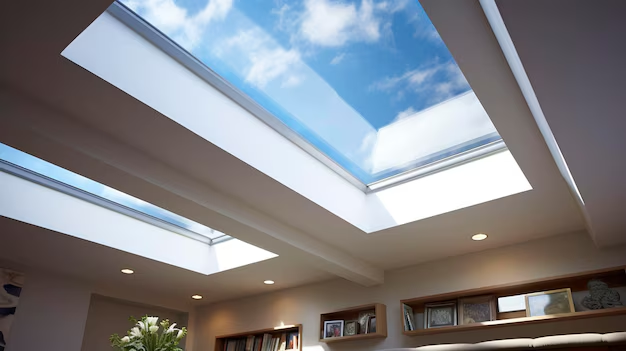
Roof lights provide another source of daylight by allowing sunlight to pass directly through the roof. Their overhead position can help distribute natural light into areas that might otherwise depend heavily on artificial lighting.
A well-positioned roof light can also create a stronger connection between indoor spaces and the changing conditions outside. Natural daylight throughout the day adds variation to the appearance of a room without requiring major changes to its interior design.
See also: Nurturing Family, Health, and Beauty for a Fulfilling Life
Different Types of Roof Lights for Flat Roofs
Flat roof glazing is available in several styles, each offering different visual and practical advantages. The right choice depends on the building’s structure, available roof space, and the amount of daylight required.
Flat Glass Roof Lights
Flat glass roof lights feature a simple, contemporary appearance. Their low-profile design sits close to the roof surface, making them suitable for properties with minimalist architectural styles.
They are particularly useful for kitchen extensions, hallways, and living areas where homeowners want natural light without introducing a prominent raised structure.
Roof Lanterns
Roof lanterns feature raised glazed sections supported by a frame. Their elevated design allows daylight to enter from multiple angles, creating a distinctive architectural feature.
They are often installed above dining areas, kitchen islands, and open-plan living spaces. Their appearance can also add visual height to rooms with limited ceiling space.
Polycarbonate Roof Lights
Polycarbonate roof lights provide a lightweight alternative to traditional glass glazing. They are available in different shapes and finishes, including clear and diffused options.
Their impact-resistant properties make them suitable for various roofing applications, although the correct specification should always be selected according to the installation requirements.
Opening Roof Lights
Opening roof lights offer additional functionality by allowing fresh air to enter the room. Depending on the design, they may operate manually or through an electric mechanism.
They can be particularly useful in kitchens and bathrooms, where ventilation helps manage moisture, cooking smells, and indoor humidity.
Make Better Use of Daylight Through Careful Positioning
The position of a roof light can influence how effectively sunlight reaches different parts of a room. Installing glazing directly above a frequently used area can create a brighter and more comfortable environment.
For example, a roof light above a kitchen island provides daylight where food preparation takes place. In a dining room, overhead glazing can create an attractive setting for meals and gatherings.
Larger open-plan rooms may benefit from multiple roof lights positioned across the ceiling. This can help distribute daylight more evenly instead of concentrating brightness in one location.
The direction of the roof, surrounding buildings, and seasonal changes in sunlight should also influence placement decisions. A professional installer can assess these factors before recommending suitable dimensions and positions.
Interior Design Ideas That Complement Roof Lights
Roof glazing can influence the appearance of an entire room. Interior finishes, furniture placement, and colour choices can help make the most of the daylight entering through the roof.
Choose lighter wall colours: White, cream, and soft neutral shades reflect daylight and help rooms appear brighter. They work particularly well in spaces with limited external windows.
Use reflective surfaces: Glass furniture, polished worktops, and carefully selected mirrors can distribute natural light around the room.
Keep window areas uncluttered: Avoid placing tall furniture directly beneath roof lights if it blocks the incoming daylight or creates unnecessary shadows.
Consider open-plan layouts: Removing unnecessary visual barriers can help sunlight reach more areas of the room.
Add suitable window treatments: Blinds designed for roof glazing can help control glare and provide privacy when required.
These design decisions allow natural light to become part of the room’s overall layout rather than treating the roof light as an isolated feature.
Energy Efficiency and Indoor Comfort
Natural daylight can reduce the need for electric lighting during daylight hours. This may contribute to lower household electricity consumption, depending on how frequently the room is occupied and the amount of sunlight available.
However, roof glazing should also be assessed for its thermal performance. Poorly specified products can contribute to unwanted heat gain during summer and heat loss during colder months.
Modern roof lights may include double or triple glazing, insulated frames, and specialist coatings designed to improve thermal efficiency. The appropriate specification depends on the building’s location, orientation, and insulation requirements.
Solar-control glazing can help manage excessive sunlight in rooms that receive strong direct exposure. Homeowners should also consider the overall roof insulation and the quality of the installation to maintain comfortable indoor temperatures throughout the year.
Installation Details That Should Not Be Overlooked
A roof light needs proper structural support and weather protection to perform reliably. Before installation, the roof structure should be assessed to determine whether it can accommodate the required opening.
Several details deserve attention during the planning process:
- Roof measurements: Accurate measurements help ensure that the selected unit fits the available opening.
- Structural support: Suitable supports may be required around the roof opening to maintain stability.
- Waterproofing: Correct flashing and weatherproof seals help prevent leaks.
- Drainage: The surrounding roof should allow rainwater to drain away without collecting around the glazing.
- Insulation: Appropriate detailing helps reduce thermal bridging and condensation.
- Safety glazing: Glass specifications should meet relevant building safety requirements.
Professional installation can help avoid common problems such as water penetration, poor fitting, and unnecessary heat loss.
Keeping Roof Lights Clean and Well Maintained
Regular maintenance helps preserve the appearance and performance of roof glazing. Dust, leaves, bird droppings, and rainwater deposits can accumulate on the exterior surface and gradually affect light transmission.
Cleaning should be carried out using suitable products and non-abrasive materials recommended by the manufacturer. Homeowners should also inspect the surrounding seals and frames for signs of deterioration.
Opening roof lights may require additional checks to ensure that hinges, handles, and operating mechanisms continue to work correctly.
Periodic inspections are particularly useful after severe weather, as they can help identify loose fittings or damaged seals before more serious issues develop.
Give Your Flat Roof a Brighter Purpose
A carefully selected roof light can make a noticeable difference to rooms beneath flat roofs. Beyond improving daylight levels, it can influence the way a space feels, support practical everyday activities, and complement the property’s architectural style. The most suitable design will depend on roof dimensions, glazing preferences, ventilation needs, and thermal performance.
Skylights Roof Lanterns offers homeowners an opportunity to explore roof glazing options suited to different property styles and requirements. Before choosing a design, consider how sunlight moves across your home and which rooms would benefit most from overhead lighting. For guidance on finding suitable options for your property, contact us today and discuss your roof lighting requirements with the team.