Challenges and Future Trends in PCB Board Manufacturing: Navigating the Next Era of Electronics

The PCB board (Printed Circuit Board) is a fundamental building block in the electronics industry, ensuring the reliable connection and function of all electronic components. As the backbone of nearly every modern device—from mobile phones and laptops to industrial machines and medical equipment—PCB boards play a critical role in making today’s technological advancements possible.
However, the world of PCB board manufacturing is far from static. With each passing year, the push for smaller, faster, and more efficient electronics has led to new challenges in PCB design, production, and assembly. In this article, we’ll explore the challenges that PCB manufacturers face, as well as the exciting trends shaping the future of PCB technology.
Understanding the Importance of PCB Boards
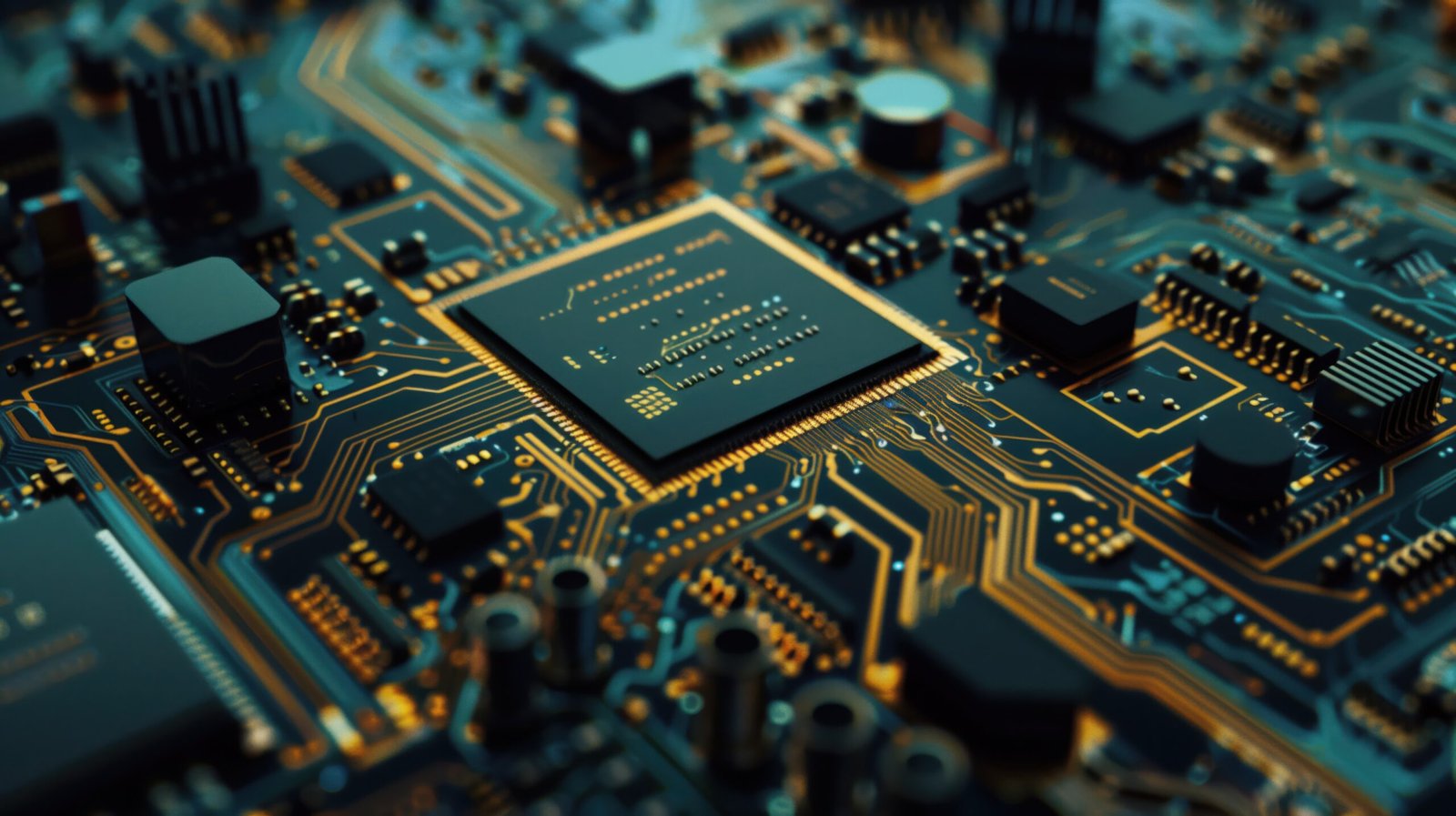
Before diving into the challenges and trends, it’s essential to understand the central role of PCB boards in modern electronics. PCBs are flat, rigid boards that connect and support the various components of an electronic device. They are made from non-conductive materials (usually fiberglass) and have conductive pathways etched on their surface, which allow components like microchips, resistors, and capacitors to communicate with one another.
While PCBs come in many forms—from single-layer boards to complex multi-layer designs—they are all designed to perform a similar function: ensuring that electronic components work together seamlessly. From basic appliances to complex aerospace systems, PCB boards are essential in every aspect of modern technology.
The Challenges of PCB Board Manufacturing
Manufacturing PCB boards is not a simple task. The complexities involved in designing, fabricating, and assembling PCBs present a wide range of challenges for manufacturers. Here are some of the most prominent obstacles the industry faces:
1. Miniaturization and Complexity
The demand for smaller, more powerful electronic devices continues to rise, with consumers and industries alike expecting sleek designs without sacrificing performance. This miniaturization trend presents a major challenge for PCB manufacturers, as designing smaller PCBs that can accommodate more components in less space requires innovative techniques.
Advanced technologies like multi-layer PCBs and HDI (High-Density Interconnect) PCBs are crucial in meeting these demands. However, as the complexity of the designs increases, so does the difficulty of manufacturing. For instance, placing more components on a smaller PCB often results in tighter tolerances, smaller vias, and more intricate circuit designs—factors that must be addressed during production.
2. Signal Integrity and High-Speed Design
As electronics become faster and more complex, maintaining signal integrity becomes increasingly difficult. PCB boards must be designed to prevent signal loss or interference, particularly in high-frequency circuits used in telecommunications, 5G, and data centers.
Manufacturers need to account for factors such as trace width, trace length, and impedance matching to ensure that signals can be transmitted accurately across the board. This requires specialized knowledge and precise manufacturing techniques. As data transfer speeds increase, the challenge of maintaining signal integrity becomes more pronounced, demanding high-quality materials and advanced manufacturing processes.
3. Material Selection
The materials used in PCB boards play a critical role in their performance. Traditional PCBs are made from FR-4, a composite material, but as technology progresses, new materials are needed to meet the performance demands of modern electronics. For example, high-frequency PCBs used in 5G or IoT applications may require materials like Rogers or PTFE (Polytetrafluoroethylene), which offer better signal integrity at high frequencies.
Choosing the right material for a PCB is essential for ensuring its reliability, performance, and durability. However, materials like PTFE and metal-core substrates can be more expensive and difficult to work with, adding an additional layer of complexity to the manufacturing process.
4. Environmental Concerns
As the electronics industry faces increasing pressure to become more sustainable, the PCB manufacturing process must also evolve. Many traditional PCB materials contain hazardous substances like lead and halogens, which can harm the environment if not disposed of properly.
Regulatory frameworks like RoHS (Restriction of Hazardous Substances) have been established to limit the use of these materials, but finding environmentally friendly alternatives without compromising performance remains a challenge for PCB manufacturers. Furthermore, the electronics industry must contend with e-waste concerns, leading to efforts to design more recyclable and eco-friendly PCBs.
5. Quality Control and Reliability
As PCBs become more complex, ensuring consistent quality and reliability becomes increasingly important. A single flaw in a PCB board—whether it’s a poorly placed component, a defective solder joint, or a broken trace—can lead to device failure, resulting in costly recalls, repairs, or downtime.
For critical applications like medical devices, aerospace systems, and automotive electronics, PCB manufacturers must ensure that their products meet the highest standards of quality and reliability. This requires stringent testing protocols, quality control measures, and often, certifications like ISO 9001 and IPC-A-610, which guarantee that the PCBs meet industry specifications.
The Future of PCB Boards: Trends and Innovations
Despite the many challenges, the PCB industry is evolving to meet the needs of a rapidly changing technological landscape. Here are some of the most exciting trends and innovations that are shaping the future of PCB boards:
1. Flexible and Rigid-Flex PCBs
Flexible and rigid-flex PCBs are becoming more popular as devices get smaller and more portable. Flexible PCBs can bend and conform to the shape of a device, making them ideal for wearable technology, medical devices, and automotive applications. Rigid-flex PCBs, which combine both rigid and flexible components, are used in aerospace, defense, and industrial applications where both stability and flexibility are required.
As the demand for these types of PCBs grows, manufacturers are developing new materials and techniques to make flexible and rigid-flex PCBs more reliable, cost-effective, and scalable for mass production.
2. HDI (High-Density Interconnect) PCBs
HDI PCBs are designed to provide higher component density and finer circuit traces, enabling manufacturers to pack more functionality into a smaller space. These boards are ideal for applications that require high-speed data transmission, such as smartphones, wearables, and IoT devices.
As consumers demand smaller, more powerful devices, the need for HDI PCBs will continue to grow. Manufacturers are working on improving HDI PCB technology by using advanced materials and processes, such as laser drilling and fine-pitch components, to create more compact and efficient circuit boards.
3. 5G and High-Speed Communication PCBs
The rollout of 5G networks presents a unique challenge for PCB manufacturers. PCBs used in 5G infrastructure, including base stations, routers, and smartphones, must be designed to support the higher frequencies and faster data transfer rates that 5G requires.
To meet these demands, manufacturers are developing PCBs with specialized materials and designs that minimize signal loss and ensure reliable performance at high speeds. Additionally, the rise of 5G and IoT will require PCBs that can handle large volumes of data while maintaining low power consumption.
4. Eco-Friendly PCBs
With the increasing emphasis on sustainability, the demand for eco-friendly PCBs is on the rise. Manufacturers are exploring new materials and processes that minimize the environmental impact of PCB production. This includes using halogen-free materials, recyclable substrates, and lead-free soldering techniques.
In addition to material selection, manufacturers are also focusing on energy-efficient production methods and reducing waste during the PCB manufacturing process. As environmental concerns continue to grow, the industry will need to find innovative solutions to create more sustainable PCBs without sacrificing performance.
5. 3D Printed PCBs
One of the most exciting innovations in the PCB industry is 3D printing. This technology allows for the rapid prototyping and manufacturing of highly customized PCBs with complex geometries. 3D printing enables designers to create unique shapes and structures that would be difficult or impossible to produce using traditional PCB manufacturing methods.
While 3D printed PCBs are still in the early stages of development, they hold great potential for industries that require highly specialized and flexible circuits. As the technology matures, it could revolutionize the way PCBs are designed and produced, offering faster turnaround times, lower costs, and more design freedom.
Conclusion
The world of PCB board manufacturing is filled with challenges, but it is also ripe with opportunity. As the demand for smaller, faster, and more reliable electronic devices continues to grow, PCBs will play an increasingly important role in driving innovation. From high-density interconnects to flexible designs, eco-friendly materials to 3D printing, the future of PCB boards is full of exciting possibilities.
At PCBINQ, we are committed to staying ahead of these trends, offering high-quality PCB boards and assembly services that meet the needs of today’s demanding electronics industry. Whether you’re working on a prototype or mass production, we have the expertise and technology to help you succeed. Visit us at www.pcbinq.com to learn more about how we can support your next project.