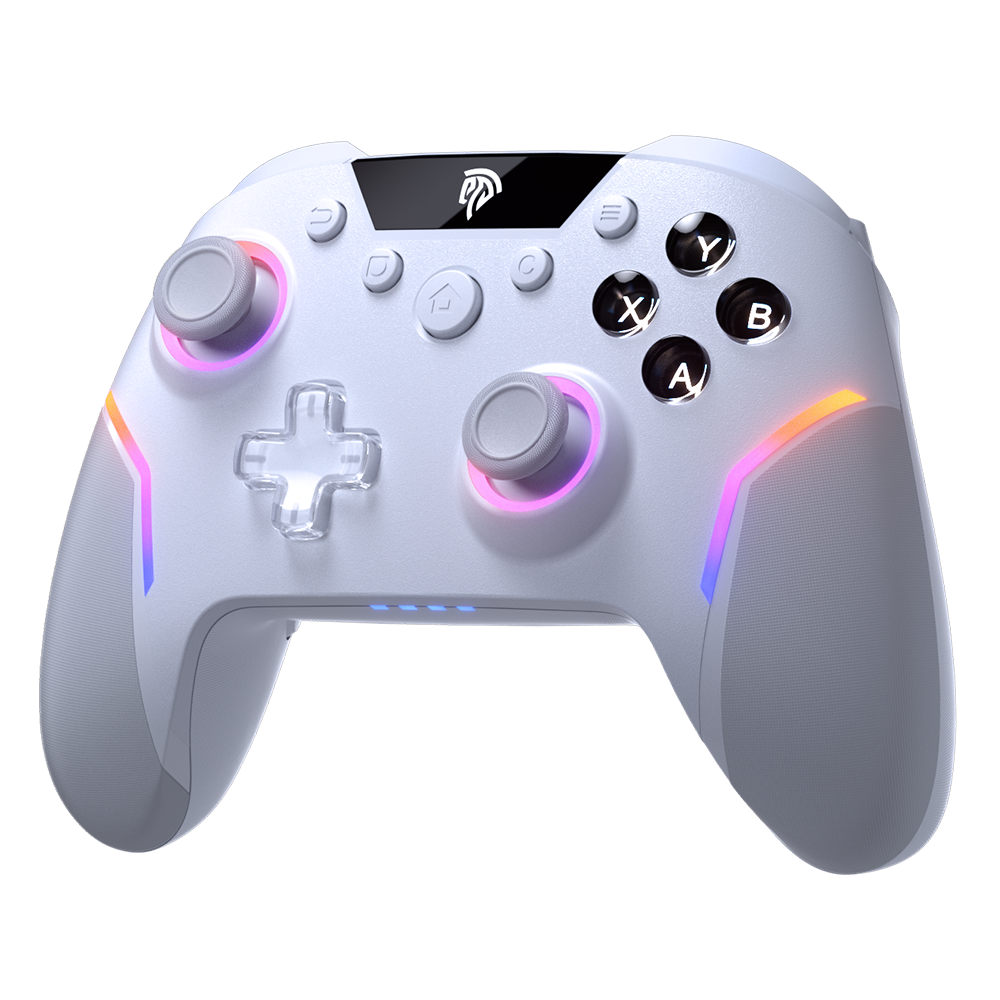
Mobile gaming has exploded into a multi-billion dollar industry, with smartphones now rivaling dedicated consoles in graphical power and game complexity. Yet one frustration continues to plague millions of players: the imprecise, unresponsive nature of touchscreen controls. Whether you’ve missed a critical headshot in a shooter or fumbled a combo in a fighting game, you’ve likely felt the sting of virtual buttons failing you at the worst possible moment. This raises a question every serious mobile gamer eventually confronts—is a Mobile Gaming Controller truly superior to touch, or is the built-in screen enough? In this article, we’ll break down both control methods across comfort, precision, and competitive performance. We’ll explore what features matter most in a quality controller, walk through how to choose the right one, and examine a standout option for gamers who demand responsive, durable hardware. Whether you play casually or competitively, this guide will help you decide which input method deserves your thumbs.
The Evolution of Mobile Gaming and Control Schemes
Mobile gaming’s trajectory from simple time-killers like Snake to console-quality titles like Genshin Impact and Call of Duty: Mobile represents one of gaming’s most dramatic transformations. As games grew more complex, touchscreen interfaces struggled to keep pace. Virtual joysticks drift under sweaty thumbs, buttons lack the physical resistance needed for split-second inputs, and the flat glass surface offers zero tactile confirmation that a command registered. These inherent limitations sparked a parallel evolution: the dedicated mobile gaming controller. Devices designed specifically for smartphones began offering physical analog sticks, trigger buttons, and ergonomic grips that mirror traditional console experiences. What defines a superior control method ultimately comes down to three measurable factors—input accuracy, response time, and sustained comfort during extended sessions. With this framework established, we can objectively evaluate whether touch or a gaming controller better serves the demands of modern mobile titles.
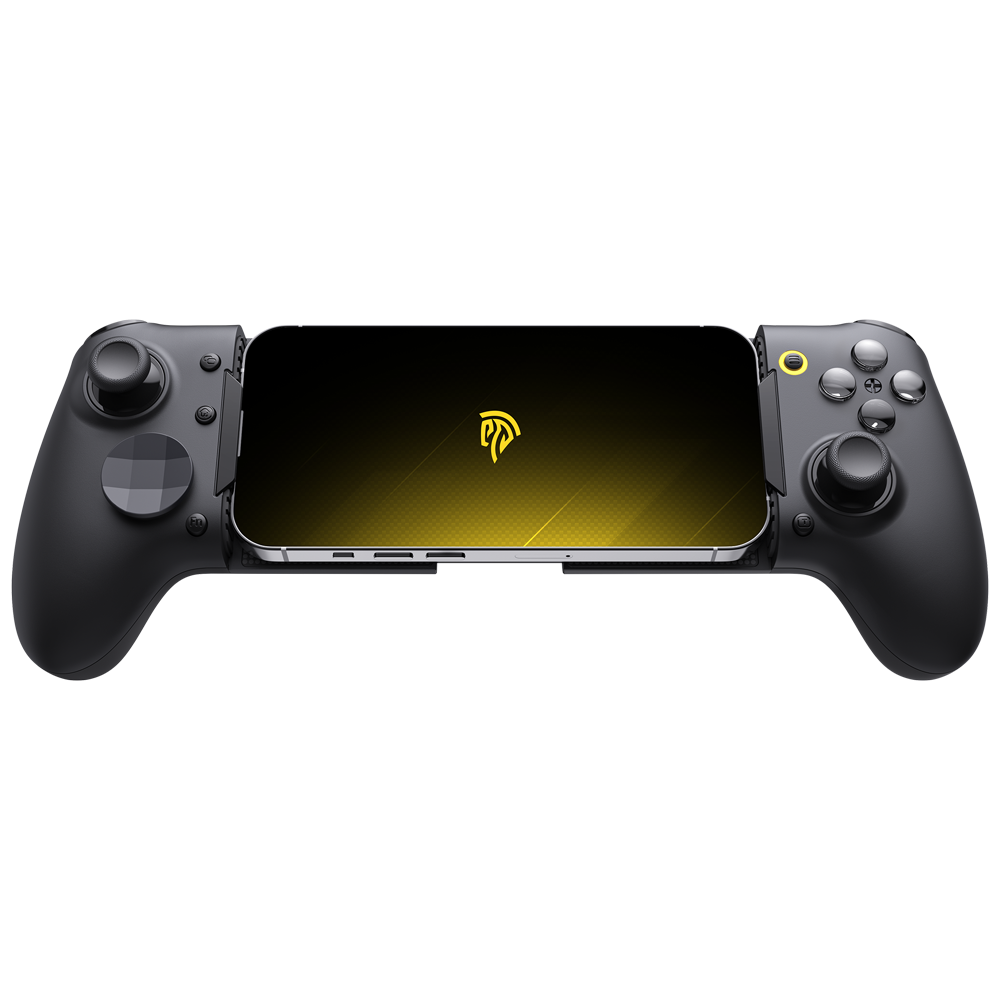
Touch Controls: Built-in Convenience and Limitations
Touch controls carry one undeniable advantage: they’re already there. Every smartphone ships with a capacitive screen ready to translate taps and swipes into in-game actions, requiring no additional hardware, no Bluetooth pairing, and no extra expense. For casual titles—puzzle games, card games, or simple tap-based runners—touch input feels natural and intuitive. The learning curve barely exists because players interact directly with on-screen elements, making the barrier to entry essentially zero.
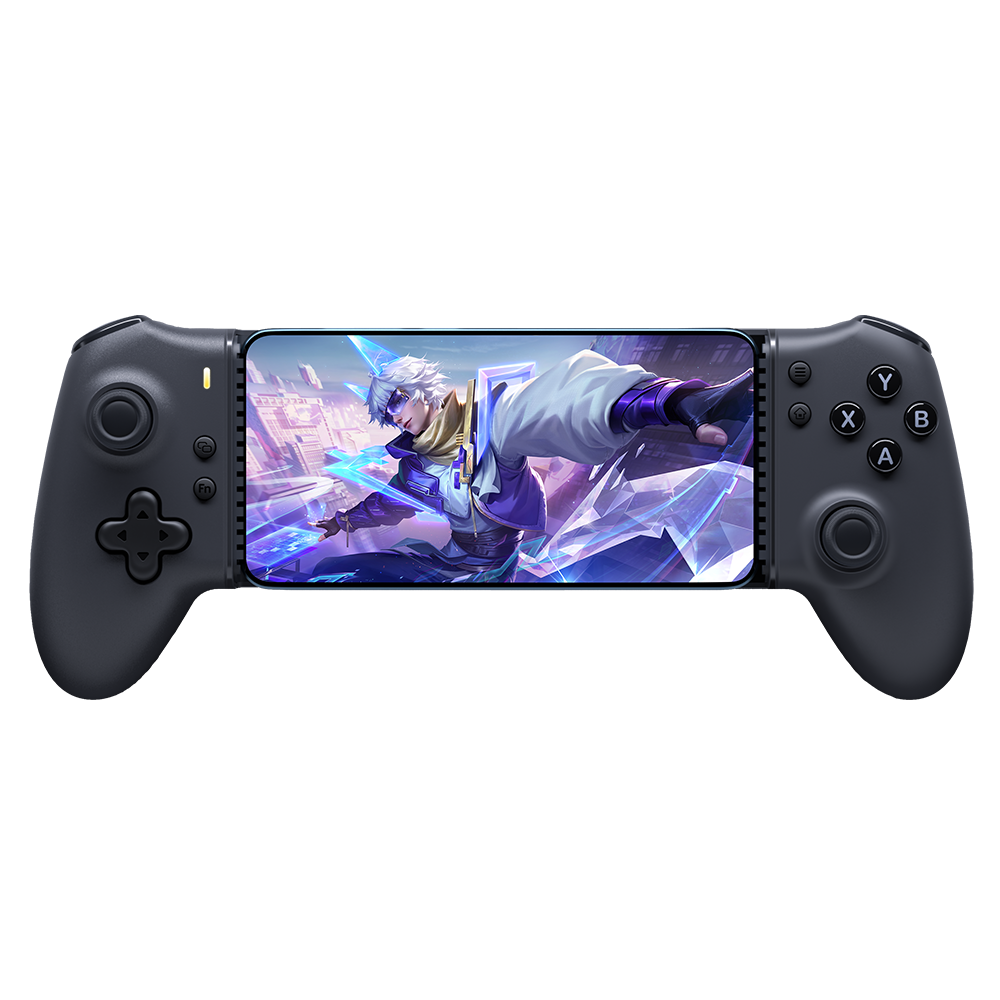
However, the moment a game demands precision, touch controls reveal serious weaknesses. Virtual joysticks provide no physical centering mechanism, meaning your thumb drifts without you realizing it until your character veers off course. On-screen buttons occupy valuable display real estate, blocking enemies, map details, or critical UI elements right when you need them most. The flat glass surface delivers zero tactile feedback—you never feel a click, a resistance point, or a travel distance that confirms your input registered. During intense gameplay, sweaty fingers slide unpredictably, turning accurate aim into guesswork. For competitive shooters, fast-paced MOBAs, or racing games requiring analog precision, these aren’t minor inconveniences—they’re performance ceilings. Players who demand responsive, reliable input find themselves fighting the interface instead of their opponents, which is precisely why serious mobile gamers seek alternatives that match their skill level rather than limit it.
Why a Mobile Gaming Controller Delivers Superior Performance
When you grip a dedicated Mobile Gaming Controller, the difference is immediate and visceral. Your hands wrap around contoured grips designed to distribute weight evenly, eliminating the claw-like posture that touchscreen gaming forces on your fingers. Physical analog sticks return to center with consistent spring tension, giving you proportional movement control that virtual joysticks simply cannot replicate. Shoulder triggers offer graduated travel, letting you feather acceleration in racing games or control aim-down-sight speed in shooters with a precision that flat glass will never provide.
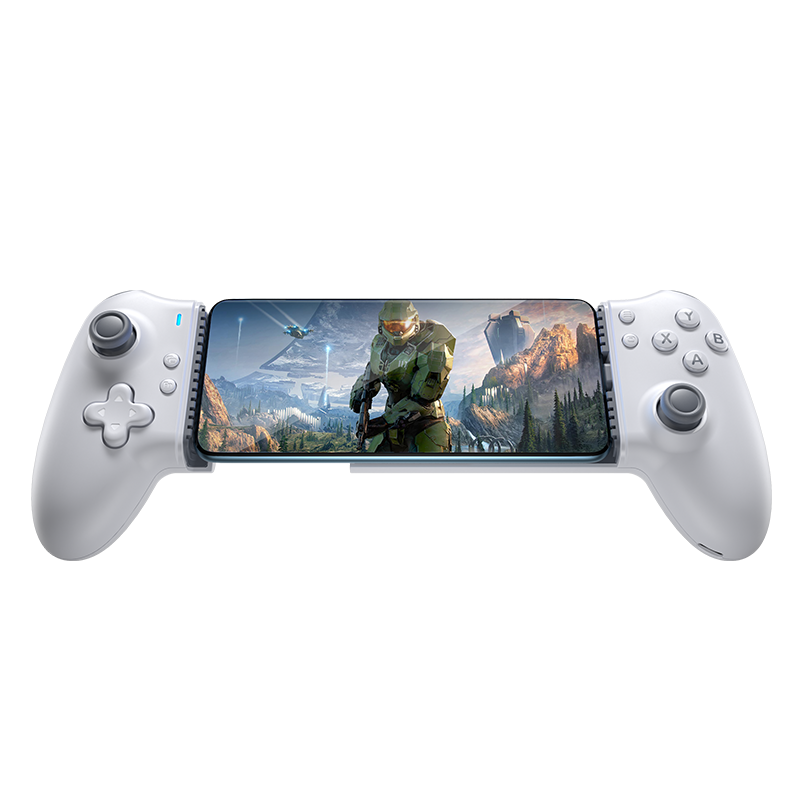
For the target audience—gamers who play daily and push for higher ranks—a controller directly addresses the core frustrations of touch input. Physical buttons deliver instant tactile confirmation through mechanical feedback, so you know a command registered without glancing at the screen. This responsiveness translates to measurably faster reaction times, particularly in games where milliseconds separate victory from defeat. Finger fatigue drops dramatically because inputs require minimal force distributed across multiple digits rather than repetitive tapping on a hard surface. The ergonomic design supports sessions lasting hours without cramping or discomfort. Controllers also free your entire display from obstructing UI elements, giving you full battlefield visibility. For gamers who need durable, responsive hardware that performs consistently under pressure, a quality gaming controller doesn’t just match console-level control—it brings that experience to your phone without compromise.
Key Features That Define a High-Performance Gaming Controller
Not all controllers deserve a spot in your gaming setup. The difference between a cheap accessory and a legitimate performance tool comes down to specific features that directly impact your gameplay. Understanding these features transforms you from an impulse buyer into an informed gamer who invests in hardware that actually solves the problems touch controls create.
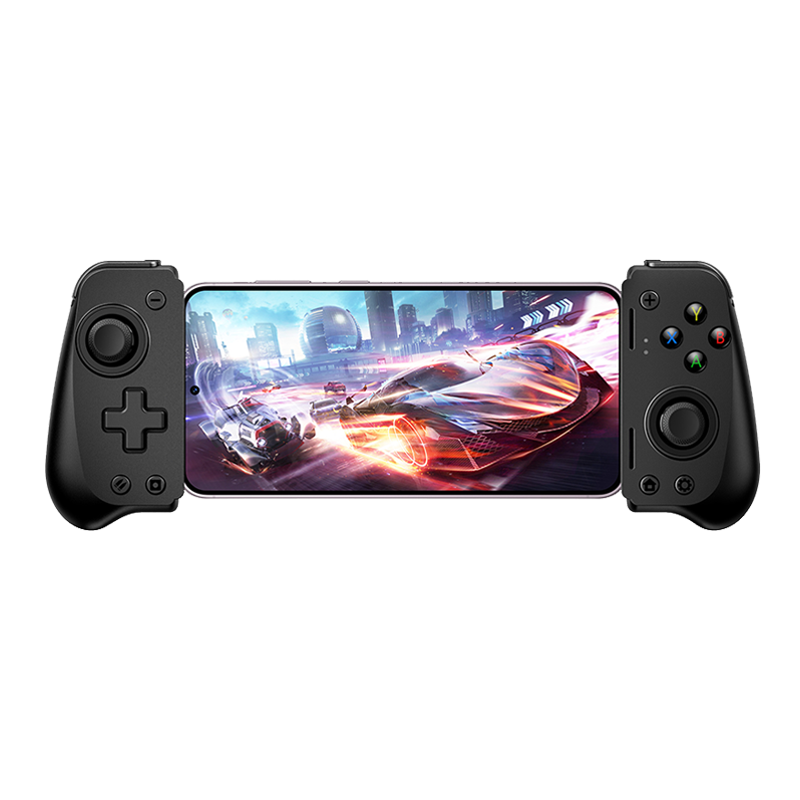
Connectivity determines whether your inputs reach the game instantly or arrive with frustrating delay. Bluetooth 5.0 or higher provides stable wireless connections with latency low enough for competitive play, while USB-C wired options eliminate wireless interference entirely for tournament-level responsiveness. The best controllers offer both, letting you choose based on your situation. Button layout matters equally—a familiar configuration with dual analog sticks, a D-pad, face buttons, and shoulder triggers ensures compatibility across game genres without relearning muscle memory. Customizable button mapping takes this further, letting you assign functions where your fingers naturally rest. Build quality separates controllers that last months from those that last years; look for reinforced joints, quality plastics or aluminum frames, and analog sticks rated for millions of cycles. Battery life should comfortably exceed your longest gaming sessions—anything below eight hours forces inconvenient mid-game charging. Device compatibility seems obvious but catches many buyers off guard; confirm your controller supports your specific phone model, operating system version, and the games you actually play. Finally, mechanical buttons represent the premium tier of responsiveness. Unlike membrane switches that feel mushy and degrade over time, mechanical switches deliver a crisp actuation point with consistent force curves across thousands of hours of use, giving you the same reliable click on day one thousand as day one.
Step-by-Step: How to Choose the Right Controller for Your Needs
Start by identifying your primary game genres. Shooters demand low-latency connections and precise analog sticks. Racing games benefit from triggers with analog travel. Fighting games require responsive D-pads and fast button actuation. Your genre dictates which features are non-negotiable versus nice-to-have. Next, establish a realistic budget and compare models within that range—avoid the cheapest options that sacrifice durability, but recognize that the most expensive controller isn’t automatically the best fit for your specific needs. Third, verify device compatibility by checking the manufacturer’s supported device list and reading user reports for your exact phone model; also physically assess ergonomics if possible, since hand size and grip preference vary significantly between players. Finally, dive into reviews that specifically test durability under heavy use and measure input latency with objective tools rather than subjective impressions. Prioritize feedback from gamers who play your genres at your intensity level, as a casual reviewer’s “good enough” might be a competitive player’s dealbreaker.
In-Depth Review: The EasySMX M15 with Mechanical Buttons
The EasySMX M15 represents what happens when a controller is engineered specifically around the demands of serious mobile gamers. Its defining feature—full mechanical buttons—sets it apart from the membrane-based competition that dominates the mobile controller market. Each button press delivers a distinct, crisp actuation with a consistent force curve, meaning you feel exactly when an input registers without bottoming out or second-guessing whether your command went through. This mechanical responsiveness directly addresses the core frustration that drives gamers away from touch: unreliable, mushy input that costs you matches.
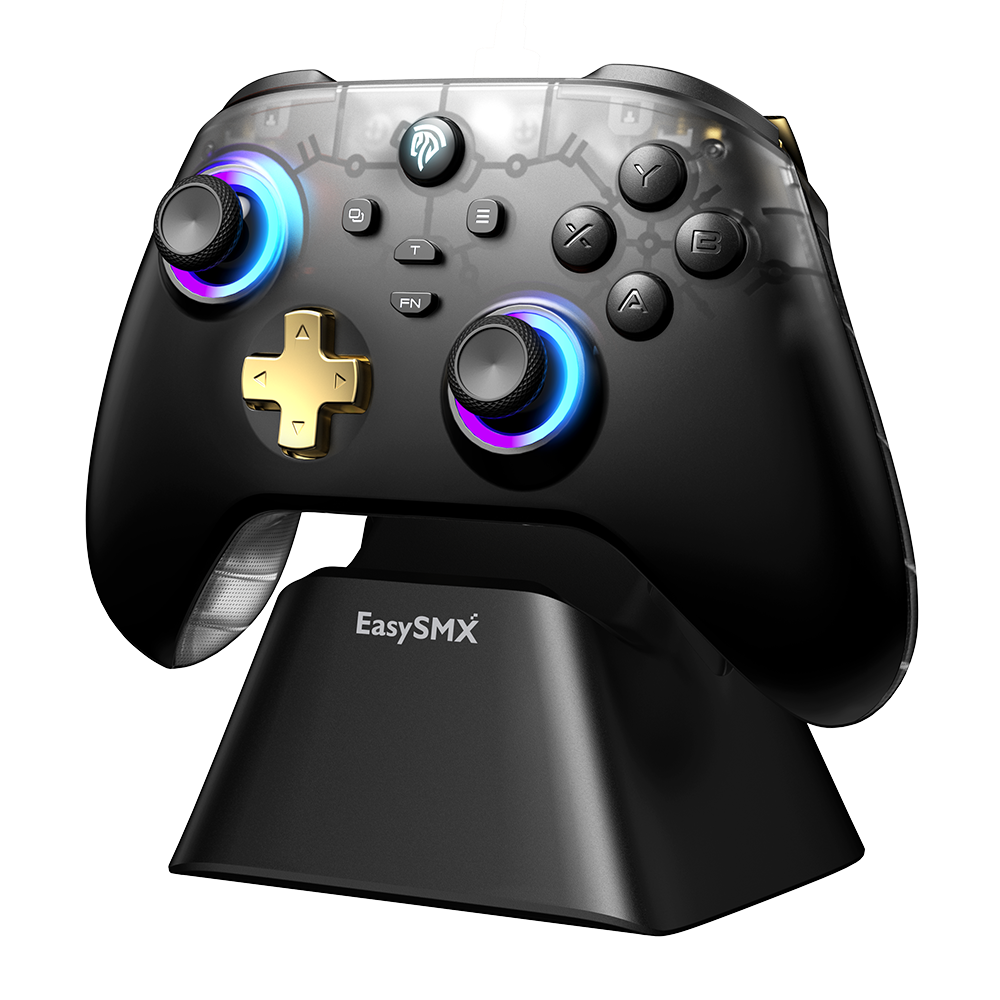
The M15’s design prioritizes extended session comfort with ergonomic contouring that fits naturally in adult hands, reducing the strain that plagues both touchscreen gaming and poorly designed budget controllers. Its connectivity options cover both Bluetooth and wired USB-C, giving competitive players the choice between wireless freedom and zero-latency wired performance depending on the stakes. The build feels substantial without being heavy, with reinforced construction around the analog sticks and triggers—the components that typically fail first under aggressive use. On the balanced side, dedicated mobile controllers require you to carry additional hardware, and adapting to physical sticks after months of touch muscle memory takes a brief adjustment period. However, for gamers whose priority is responsive, durable hardware that consistently performs under pressure, the M15’s mechanical switches deliver a tactile advantage that touch controls and membrane-based controllers cannot match, making it a compelling case study in what mobile gaming hardware should feel like.
Making the Choice: Controller vs. Touch for Different Gaming Scenarios
The controller-versus-touch debate doesn’t have a single universal answer—it depends on what you’re playing and how seriously you play it. For first-person shooters like Call of Duty: Mobile or Apex Legends Mobile, a controller’s analog sticks and triggers provide the aiming precision and movement fluidity that separate ranked climbers from frustrated casuals stuck fighting their own inputs. Racing games like Asphalt or GRID Autosport benefit enormously from graduated trigger travel, giving you throttle and brake modulation that a binary tap on glass cannot replicate. MOBAs and action RPGs with complex ability rotations reward the muscle memory that physical buttons build over time, letting you execute combos without visually confirming finger placement on a cluttered screen.
Touch controls still earn their place in specific contexts. Puzzle games, turn-based strategy titles, and casual experiences designed around tap-and-swipe mechanics feel perfectly natural on a touchscreen—adding a controller would overcomplicate what’s intentionally simple. Similarly, quick gaming sessions during commutes or waiting rooms benefit from the zero-setup convenience of touch. But for any gamer who plays competitively, invests hours daily, or simply refuses to let imprecise controls cap their potential, a dedicated Mobile Gaming Controller isn’t just superior—it’s transformative. The physical feedback, ergonomic support, and input reliability remove the ceiling that touch imposes, letting your skill determine outcomes rather than your interface.
Elevate Your Mobile Gaming: Why a Controller Is the Smart Investment
The debate between touch and controller for mobile gaming ultimately comes down to intent. Touch controls offer undeniable convenience—they’re free, always available, and perfectly adequate for games designed around simple interactions. But for dedicated gamers who invest hours daily, chase competitive ranks, or simply refuse to let their hardware hold back their skill, a Mobile Gaming Controller provides measurable superiority in every metric that matters. Precision improves through physical analog sticks and mechanical buttons that deliver consistent tactile feedback. Comfort extends through ergonomic designs that support marathon sessions without fatigue. Performance elevates because your full screen remains unobstructed and your inputs register reliably under pressure. The EasySMX M15 exemplifies this advantage, proving that mechanical responsiveness and durable construction can translate the console-quality control experience directly to your smartphone. As mobile titles continue pushing toward console complexity, the gap between touch limitations and controller capabilities will only widen. For gamers serious about their craft, the investment in a quality controller isn’t an accessory purchase—it’s the removal of the last barrier between your potential and your performance.