Walk into a hotel lobby, a nice retail store or a well-run office and there’s often a subtle, pleasant scent in the air you barely notice — and that’s exactly the point. More and more of that effect comes from automatic air fresheners: programmable units that release fragrance on a schedule, with no one lifting a finger. But how do they actually work, and when are they genuinely worth installing? Here’s a straightforward look.
How automatic air fresheners work
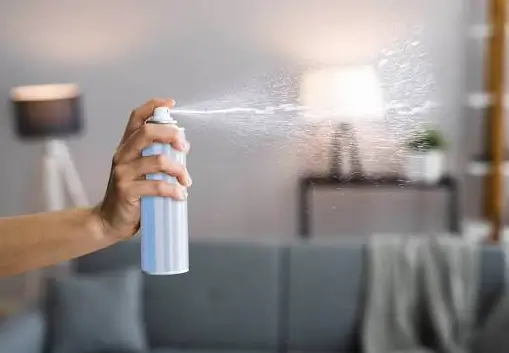
An automatic air freshener is a wall-mounted or free-standing dispenser with a fragrance canister inside and a small battery-powered mechanism. The key difference from a basic spray or plug-in is control: a timer. You can usually set how often it releases (say, every 15, 30 or 60 minutes) and sometimes which hours or days it operates — so it’s spraying during business hours and resting overnight.
Most units work in one of a few ways:
- Metered aerosol sprays release a measured burst of fragrance at set intervals — the most common type.
- Fan or diffuser systems use a small fan to pass air over a fragrance cartridge for a continuous, gentler scent.
- Gel and passive systems release fragrance gradually without a mechanism, better suited to small spaces.
The result is consistent scent coverage without anyone remembering to spray — ideal for spaces that need to smell fresh all day.
Where they’re worth it
Automatic air fresheners earn their keep in spaces where odour is a recurring challenge or where scent supports the experience:
- Washrooms — the obvious one. Consistent, scheduled freshening keeps them pleasant between cleans.
- Reception and retail areas — a clean, welcoming scent shapes first impressions and can reinforce a brand.
- Gyms, change rooms and clinics — high-odour, high-traffic spaces that benefit from steady odour control.
- Hospitality venues — hotels, cafes and function spaces where ambience matters.
Where they’re less necessary: small, low-traffic private offices or well-ventilated spaces that rarely develop odours — there, a simpler solution often does the job.
See also: How HR Consultants Help Businesses Manage Workplace Changes
A note on air quality and good practice
Air fresheners mask or replace odours; they don’t clean the air. In fact, the U.S. Environmental Protection Agency lists air fresheners among the household and commercial products that can emit volatile organic compounds (VOCs) into indoor air, and recommends tackling odours at the source and improving ventilation alongside any fragrance. You can read the EPA’s guidance here: https://www.epa.gov/indoor-air-quality-iaq/volatile-organic-compounds-impact-indoor-air-quality
The practical takeaway: use automatic fresheners as part of a proper hygiene routine — regular cleaning and good ventilation first, scent to finish — and choose quality systems with well-formulated fragrances and sensible spray intervals rather than overpowering a room.
What to look for in a system
- Adjustable timing so you can match output to foot traffic and operating hours.
- Reliable refills and servicing so canisters and batteries never run flat unnoticed.
- A range of fragrances to suit the space and avoid scent fatigue.
- Even coverage matched to room size — one unit won’t cover a large open area.
The bottom line
Automatic air fresheners are a simple, low-effort way to keep high-traffic spaces smelling consistently fresh — most worth it in washrooms, reception areas and other busy or odour-prone spots. Paired with good cleaning and ventilation, they’re an easy win for the experience of any commercial space.
If you’re considering scheduled scenting for your business, Shmik Hygiene’s Smartscent air care range is a good place to start: https://shmikhygiene.com.au/products/smartscent/