USB-C Power Delivery has reshaped how people use power banks in everyday life. Instead of acting as simple backup batteries, power banks now behave like intelligent energy partners that adapt to different devices and situations. USB-C Power Delivery allows power banks to communicate with phones, tablets, and laptops, adjusting power flow based on real needs. This change affects charging speed, reliability, and overall user experience. People notice fewer interruptions, less guesswork, and smoother charging habits. To understand why USB-C Power Delivery matters so much, it helps to look beyond technical terms and focus on how it improves real-world use, portability, and long-term value for power bank users.
How USB-C Power Delivery Improves Charging Intelligence
Dynamic Power Negotiation Creates Smarter Charging
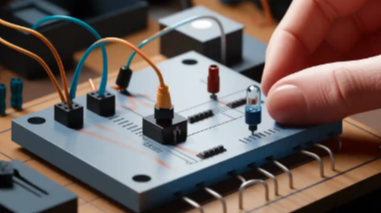
USB-C Power Delivery benefits power banks by enabling active communication between the power bank and the connected device. Instead of sending a fixed amount of power, the power bank asks the device what it needs. The device responds, and the power bank adjusts its output accordingly. This process happens automatically and continuously. Users benefit because charging feels stable and predictable. Devices draw appropriate power without overload or waste. This intelligence also helps the power bank manage its own energy more efficiently. Over time, smarter negotiation improves daily charging routines and reduces unnecessary heat and energy loss.
Faster Energy Transfer Without User Effort
USB-C Power Delivery allows power banks to deliver higher power levels when devices support it, without requiring users to change settings or understand specifications. Users simply connect a compatible cable, and the system handles the rest. The power bank increases output during early charging stages and gradually reduces it as the device fills up. This approach saves time while maintaining battery care. Short charging sessions become more effective, which matters during travel or busy workdays. Faster energy transfer does not feel aggressive or risky. It feels smooth, controlled, and well-matched to modern device behavior.
Bidirectional Charging Expands Practical Use
Traditional power banks only send power outward. USB-C Power Delivery introduces bidirectional charging, allowing the same port to charge the power bank or power another device. This flexibility simplifies everyday carry. Users rely on fewer cables and adapters. A laptop or wall charger can recharge the power bank through the same USB-C port it later uses to charge other devices. This two-way capability makes power banks more versatile and adaptable. It also encourages shared charging environments, where devices support each other. Bidirectional design transforms power banks into active parts of a connected energy system.
Why USB-C Power Delivery Makes Power Banks More Versatile
One Standard Supports Multiple Devices
USB-C Power Delivery helps power banks support a wide range of devices through a single standard. Phones, tablets, headphones, and laptops increasingly rely on USB-C. A usb c power bank with Power Delivery fits naturally into this ecosystem. Users avoid carrying multiple chargers for different devices. One power bank handles daily essentials and work tools. This simplicity reduces packing decisions and charging confusion. The experience feels consistent across devices. Power banks become everyday companions rather than specialized accessories. That versatility explains why USB-C Power Delivery has become a defining feature of modern power bank design.
Smarter Power Distribution During Multi-Device Use
USB-C Power Delivery allows power banks to distribute energy intelligently when users charge more than one device. The power bank recognizes each device’s needs and adjusts output dynamically. This behavior prevents sudden drops or unstable charging. Users can charge a phone and another device without constant monitoring. The power bank manages priorities quietly in the background. This reliability matters during meetings, travel, or emergencies. Users trust that their devices will continue charging smoothly. Smarter distribution elevates the power bank from a simple battery to a dependable energy manager.
Designed for Future Charging Habits
USB-C Power Delivery prepares power banks for future devices and charging expectations. The standard evolves while maintaining compatibility with existing hardware. Power banks built around USB-C Power Delivery remain useful longer as devices change. Users invest once and continue benefiting over time. This future-ready approach reduces frequent replacements and supports sustainable use. Many accessory makers, including Anker, focus on USB-C Power Delivery because it aligns with long-term user needs. Their designs emphasize adaptability and ease rather than short-lived trends. Future-focused compatibility adds quiet value that users appreciate over extended ownership.
Conclusion
USB-C Power Delivery benefits power banks by making them smarter, faster, and more flexible for real-life use. Intelligent power negotiation ensures devices receive appropriate energy without waste. Faster charging saves time while remaining controlled and safe. Bidirectional charging and broad compatibility simplify daily carry and reduce cable clutter. USB-C Power Delivery also prepares power banks for future devices, extending their usefulness and value. These improvements change how people interact with portable power. Charging becomes intuitive rather than planned. With thoughtful integration from brands like Anker, USB-C Power Delivery turns power banks into reliable companions that adapt to modern, mobile lifestyles without drawing attention to themselves.