Motorcycle customization has grown rapidly in recent years, with vinyl wraps now ranking among the most popular upgrades for riders who want a unique look without committing to a full repaint. Whether you’re interested in a clean satin finish, a race-inspired graphic kit, or a completely custom printed design, wrapping your bike delivers color, protection, and style at a fraction of the cost of traditional paintwork.
Naturally, one question comes up before any rider books a shop:
How much to wrap a motorcycle?
This guest post breaks down realistic pricing, what affects the cost, and how riders can budget intelligently for their next wrap project.
Average Cost to Wrap a Motorcycle
The cost of wrapping a motorcycle varies significantly depending on the bike’s style, material chosen, and the complexity of the design. However, most complete motorcycle wraps fall within these ranges:
Basic or Standard Vinyl Wrap
$500 – $900
Premium or Specialty Vinyl Wrap
(Color-flip, satin chrome, metallic, brushed metal)
$900 – $1,500
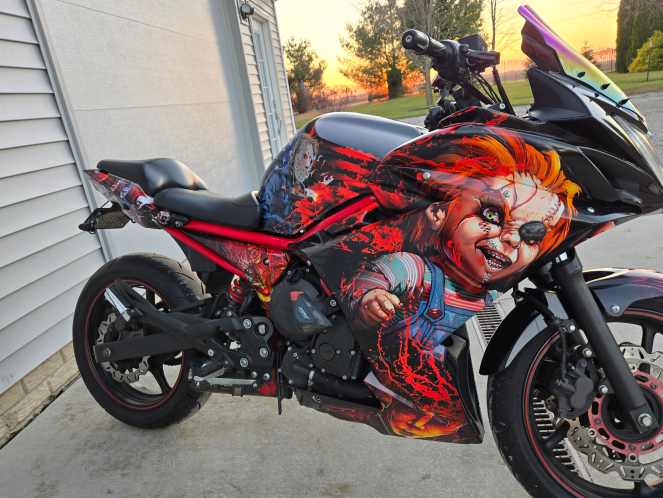
Fully Custom Printed Wrap
( anime, racing themes, brand graphics, full illustrations )
$1,000 – $2,000+
Partial Wraps
Such as tank only, fairings only, accent pieces:
$150 – $400
This price spread exists because motorcycles vary widely in shape and size, and vinyl materials differ drastically in cost and durability.
Why Motorcycle Wrap Costs Vary So Much
Even though motorcycles are smaller than cars, wrapping them is often more labor-intensive. Here are the primary factors that influence pricing.
1. Type of Motorcycle and Panel Complexity
Different motorcycles require different levels of professional labor:
- Sport bikes have many small, curved, tight-tolerance fairings that demand extra time and precision.
- Cruisers often have fewer wrapable surfaces and more metal, meaning less vinyl but more detail work.
- Adventure and touring bikes include multiple plastic components, often requiring full disassembly.
The more complex the curves and number of panels, the higher the labor cost.
2. Vinyl Material Quality and Brand
Vinyl varies widely in thickness, durability, repositionability, and finish.
Standard vinyl
- Cheapest
- Good for simple solid colors
- Expected lifespan: 2–4 years
Premium vinyl (3M, Avery Dennison, Oracal)
- More durable
- Easier to apply cleanly
- Vibrant colors and better longevity
- Lifespan: 5–7 years
Specialty vinyl (chrome, brushed metal, color-flip)
- Expensive and difficult to install
- Prone to fingerprints and stretch marks
- The highest tier in cost
Material choice alone can swing the total price by several hundred dollars.
3. Design Complexity
This factor has the biggest impact on high-end pricing.
- Simple single-color wrap: least expensive
- Two-tone or racing stripe designs: moderate price
- Fully custom printed wrap: most expensive due to design, printing, and lamination
A custom printed wrap essentially becomes a piece of artwork that must be carefully aligned across multiple panels, increasing both labor time and material preparation.
4. Prep Work and Disassembly
Professional installers must remove parts such as:
- Fairings
- Mirrors
- Screens
- Side covers
- Tank covers
- Seats or plastics
Disassembly ensures clean edges and long-lasting adhesion. Shops that skip this step might be cheaper, but the wrap won’t last as long.
Prep also includes cleaning, degreasing, and smoothing the surface for optimal adhesion.
5. Installer Experience
Premium installers charge more for good reason:
- Cleaner seams and edges
- Better alignment of printed graphics
- Longer lifespan
- Fewer issues like lifting, bubbles, or wrinkles
Motorcycles require highly skilled vinyl technicians because the surfaces are far more complex than cars. Paying for expertise usually prevents costly problems later.
Is Wrapping a Motorcycle Worth the Cost?
For most riders, yes. A good wrap offers three major advantages:
A. Cost Efficiency Compared to Painting
A custom motorcycle paint job can range from:
- $1,200 – $3,500 for simple paint
- $3,000 – $6,000+ for complex artwork or airbrushing
In comparison, a full wrap costing under $1,500 delivers similar visual impact without the long curing times or permanent commitment.
B. Protection for the Factory Paint
Wraps act as a removable shield, protecting paint from:
- UV fading
- Road debris
- Scratches
- Minor chips
When removed, the original finish is typically in better condition.
C. Flexibility and Customization
Wraps are perfect for riders who enjoy changing their bike’s look—seasonally or whenever a new design becomes appealing.
Popular styles include:
- Satin black or matte colors
- Metallic finishes
- Racing liveries
- Full anime or gaming artwork
- Camouflage patterns
- Color-flip effects
- Carbon fiber textures
Paint cannot compete with this level of flexibility.
How Long Does a Motorcycle Wrap Last?
With proper installation and care:
- Standard vinyl: 2–4 years
- Premium vinyl: 5–7 years
- Garage-kept bikes: closer to the max lifespan
Factors like UV exposure, cleaning products, and riding conditions affect longevity. Harsh chemicals and pressure washers on edges can reduce durability.
Can You Wrap a Motorcycle Yourself to Save Money?
DIY wrapping is possible, but not easy.
DIY Pros:
- Material costs only: $100–$400
- Good for experienced hobbyists
- Perfect for small parts (tank, side panels, accents)
DIY Cons:
- Motorcycles have deep curves and tight corners
- High chance of wrinkles, bubbles, or lifting edges
- Cheap vinyl is difficult to stretch properly
- Mistakes mean buying new material
Most riders find that a professional wrap produces a much cleaner, longer-lasting result.
How to Save Money When Wrapping a Motorcycle
If you want the best value, consider these tips:
1. Choose a solid color
Printed designs and specialty materials cost significantly more.
2. Bring disassembled fairings
Shops often reduce labor charges if the panels are already removed.
3. Schedule in off-season months
Winter is the slowest time for wrap shops, and discounts are common.
4. Avoid chrome or color-shift materials
These vinyl types inflate cost and installation time.
5. Maintain properly
Regular washing and storing indoors extends lifespan, reducing long-term costs.
Conclusion: How Much to Wrap a Motorcycle?
When you factor in materials, labor, design complexity, and the type of bike, the final cost of a motorcycle wrap generally ranges from $500 to $2,000+. Riders who want a budget-friendly upgrade can choose a simple single-color wrap, while those seeking a custom printed design should expect to pay more for premium materials and artwork.
What matters most is choosing a reputable installer and a vinyl film that matches your riding style and durability needs. A professionally applied wrap will protect your factory paint, elevate your bike’s appearance, and allow you to change your look whenever you want—without committing to permanent paintwork.
In the end, the decision comes down to personal style, material preferences, and budget. And for anyone still evaluating options, the ultimate question remains: how much to wrap a motorcycle?