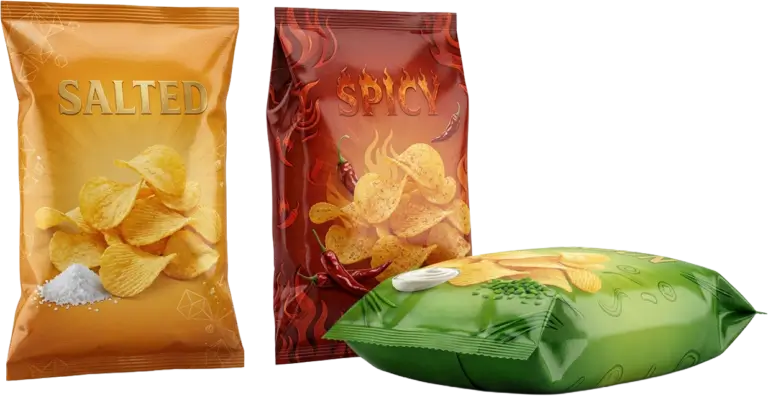
The snack industry is one of the most competitive sectors in the food and beverage market. Consumers are surrounded by countless choices every time they visit a grocery store, convenience shop, supermarket, or online marketplace. With dozens of similar products competing for attention, brands must find effective ways to stand out and connect with their target audience.
While product quality, taste, and pricing remain important factors, packaging design often plays a decisive role in influencing consumer buying decisions. In many cases, packaging is the first thing customers notice about a product. Before they read the ingredients, compare prices, or research reviews, they evaluate the product based on its appearance.
For snack brands, packaging is much more than a protective container. It is a marketing tool, a branding asset, and a communication channel that directly impacts purchasing behavior. Understanding how packaging design influences consumer decisions can help businesses create stronger products and achieve better results in competitive markets.
The Psychology Behind Packaging Design
Consumers make purchasing decisions faster than many businesses realize. Research consistently shows that shoppers often form opinions about products within a matter of seconds.
Packaging design influences these quick decisions by communicating information visually before consumers even interact with the product.
Key psychological factors include:
- First impressions
- Emotional responses
- Brand perception
- Trust and credibility
- Product expectations
A well-designed package can instantly create a positive impression, while poor packaging may discourage customers from making a purchase.
Why First Impressions Matter
When consumers walk through a snack aisle, they are exposed to hundreds of products simultaneously.
Because attention spans are limited, brands have only a brief opportunity to capture interest.
Packaging serves as the product’s first impression and influences whether consumers:
- Pick up the product
- Read the label
- Compare it with competitors
- Make a purchase
A strong first impression increases the likelihood of customer engagement and ultimately improves sales potential.
The Role of Color in Consumer Behavior
Color is one of the most powerful elements of packaging design.
Different colors create different emotional responses and influence how consumers perceive products.
For example:
Red
Often associated with excitement, energy, and appetite stimulation.
Yellow
Frequently used to communicate happiness, optimism, and affordability.
Green
Commonly linked to health, sustainability, and natural ingredients.
Black
Often represents premium quality, sophistication, and exclusivity.
Blue
Associated with trust, reliability, and cleanliness.
Successful snack brands carefully select color schemes that align with their product positioning and target audience.
Typography and Readability
Typography affects both aesthetics and communication.
Consumers should be able to quickly understand:
- Product name
- Flavor
- Benefits
- Key selling points
Complicated or difficult-to-read fonts can create confusion and reduce consumer interest.
Effective typography helps brands communicate information clearly while reinforcing their visual identity.
Product Images and Visual Appeal
Consumers often make assumptions about product quality based on packaging visuals.
High-quality images can:
- Increase appetite appeal
- Communicate product characteristics
- Improve customer confidence
- Encourage trial purchases
Snack brands frequently use realistic product photography or creative illustrations to attract attention and create stronger emotional connections.
Building Brand Recognition Through Packaging
Consistent packaging design helps build brand recognition over time.
When consumers repeatedly see similar colors, logos, and visual elements, they become more familiar with the brand.
Strong brand recognition contributes to:
- Customer trust
- Repeat purchases
- Improved recall
- Competitive differentiation
Many successful snack brands maintain consistent packaging elements across multiple product lines to strengthen their market presence.
Communicating Product Value
Packaging should clearly communicate why consumers should choose a product.
This includes highlighting:
- Product quality
- Unique ingredients
- Nutritional benefits
- Flavor profiles
- Brand values
Consumers often compare multiple products before making a decision. Clear messaging helps products stand out and communicate value effectively.
Shelf Appeal and Competitive Advantage
Retail shelves are highly competitive environments.
Products compete not only with direct competitors but also with alternative snack categories.
Strong shelf appeal helps brands:
- Capture attention
- Increase visibility
- Encourage impulse purchases
- Strengthen market presence
Even high-quality products may struggle if packaging fails to attract consumer interest.
See also: Protecting Your South Carolina Business with Proactive IT
The Growing Importance of Sustainability
Modern consumers are increasingly concerned about environmental responsibility.
Many shoppers actively seek products packaged using sustainable materials and environmentally conscious practices.
Packaging can communicate sustainability through:
- Material selection
- Eco-friendly messaging
- Recyclability information
- Responsible sourcing claims
Brands that align with consumer values often gain stronger customer loyalty.
Packaging and Consumer Trust
Trust is an important factor in purchasing decisions.
Professional packaging creates confidence by suggesting:
- Product quality
- Brand reliability
- Manufacturing standards
- Attention to detail
Consumers are more likely to purchase products that appear trustworthy and professionally presented.
Poor packaging may raise concerns about product quality, even when the product itself is excellent.
Adapting Packaging for Different Markets
Consumer preferences vary across regions, demographics, and retail channels.
Successful brands often customize packaging strategies based on:
- Target audience
- Product category
- Market trends
- Retail environment
Packaging that resonates with one audience may not necessarily perform well in another market.
Understanding customer preferences helps businesses make more informed packaging decisions.
Digital Influence on Packaging Design
The growth of e-commerce has created new packaging requirements.
Online shoppers evaluate products through digital images rather than physical shelf displays.
As a result, packaging must perform well in both:
- Retail environments
- Online marketplaces
Clear branding and visually appealing designs help products stand out in digital spaces as well.
Innovation in Snack Packaging
Packaging technology continues to evolve alongside consumer expectations.
Current trends include:
- Minimalist design
- Transparent packaging windows
- Smart packaging features
- Sustainable materials
- Premium product presentation
Businesses that embrace innovation can create stronger customer experiences and improve market competitiveness.
Many brands work with experienced packaging providers such as Contipack Inc Packaging to develop solutions that combine functionality with effective visual design.
How Packaging Influences Repeat Purchases
Packaging does not only affect first-time purchases.
It also contributes to long-term customer relationships.
Positive packaging experiences encourage:
- Brand loyalty
- Repeat purchases
- Customer recommendations
- Stronger brand perception
Features such as resealability, convenience, and durability can significantly influence customer satisfaction.
Future Trends in Consumer Packaging Design
As the snack industry evolves, packaging will continue to play an increasingly important role in consumer decision-making.
Future developments are expected to focus on:
- Personalized packaging
- Interactive experiences
- Sustainability innovations
- Enhanced convenience
- Stronger visual storytelling
Brands that stay ahead of these trends can strengthen their position in competitive markets.
Conclusion
Packaging design is one of the most influential factors affecting consumer buying decisions in the snack industry. From first impressions and shelf appeal to trust, sustainability, and brand recognition, packaging shapes how consumers perceive products and whether they choose to make a purchase.
For snack brands looking to strengthen their market presence, investing in effective packaging design is a strategic necessity. Solutions such as custom chip bags help businesses create memorable brand experiences while protecting product quality and supporting long-term growth.
As competition continues to increase, companies that prioritize thoughtful, customer-focused packaging design will be better positioned to attract consumers, drive sales, and build lasting brand loyalty.