Extreme heat waves push HVAC systems into longer run times, higher stress on outdoor units, and tighter comfort margins inside the home. When temperatures remain elevated overnight, the system loses its usual recovery window, so small issues such as a dirty filter, poor airflow, or attic heat gain become much more noticeable. Homes can feel warmer even when the equipment is still running, and energy use can spike because the system is fighting both outdoor heat and indoor moisture. Managing performance during these periods is about reducing the load the system must handle, keeping airflow and heat transfer efficient, and using a thermostat strategy that prevents the equipment from falling behind. It also involves practical steps such as protecting the outdoor unit from restricted airflow, keeping indoor coils clean, and limiting heat sources inside the house. When these factors are addressed, the HVAC system can maintain steadier temperatures and avoid strain that can lead to shutdowns or premature wear.
Reduce load and protect airflow.
- Airflow and filtration steps that keep the cooling steady
During a heat wave, airflow problems can quickly reduce cooling capacity because the system needs a consistent volume of air moving across the indoor coil to absorb heat. Start with the filter, since a loaded filter raises static pressure and reduces airflow, which can cause the coil to get too cold and reduce effective cooling. Use a filter type that matches the system’s return size, and replace it more often during peak season if dust is heavy. Next, check that the supply registers are open and that furniture, rugs, or drapes do not block returns. Closed interior doors can also restrict return paths, especially in bedrooms without dedicated returns, reducing airflow and creating hot rooms even when the central area feels acceptable. Ceiling fans can improve comfort by increasing air movement, allowing you to raise the thermostat slightly without feeling warmer. Another key step is keeping the evaporator coil and blower wheel clean, because dust buildup insulates the coil and reduces heat transfer. If the system is icing over, do not keep forcing it to run; airflow restrictions and low refrigerant are common causes that require service. In heat waves, these airflow details matter more because the system is already operating near its maximum daily workload.
- Outdoor unit heat rejection and shade misconceptions
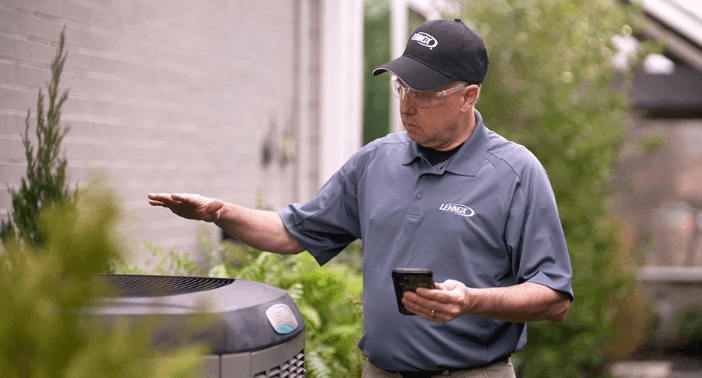
The outdoor condenser must reject heat to hot outdoor air, and that job gets harder as temperatures climb. Keep the condenser coil clear of lint, cottonwood, grass clippings, and dust, because clogged fins reduce airflow and raise head pressure, which reduces cooling output and increases electrical stress. Maintain clearance around the unit, trimming shrubs and keeping stored items away so the fan can move air freely. Many homeowners consider shading the unit, but the priority is airflow, not blocking the sun at all costs. A small shade structure can help if it does not restrict the discharge air and is built safely, but placing the condenser in a tight enclosure or behind a solid screen can reduce performance. Spraying the unit with water is also risky because it can cause mineral buildup and does not address underlying airflow or coil-cleaning issues. If the system struggles or trips during peak hours, a Las Vegas HVAC team approach is often to check condenser cleanliness, fan operation, and refrigerant charge, while also evaluating duct airflow inside, since high outdoor pressure problems frequently expose indoor airflow weaknesses. Outdoor maintenance is about letting the unit breathe and keeping heat-exchange surfaces clean, so the refrigerant circuit remains stable under heavy load.
See also: Weekend Home Upgrades That Make a Big Difference
- Thermostat strategy and managing recovery during long heat events
Heat waves change the usual thermostat logic. Large daytime setbacks can backfire because the system may not recover quickly when outdoor temperatures are at their peak. Instead of allowing the house to warm significantly during the day, many homes do better with smaller adjustments that keep indoor temperatures from drifting too far away from the target. This reduces the chance that the system runs nonstop late into the evening, trying to catch up. If your utility has time-of-use rates, consider pre-cooling slightly in the morning when outdoor temperatures are lower, then holding a modest increase in setpoint during peak pricing hours. Use programmable schedules cautiously, because aggressive swings can increase humidity and discomfort. Also, check thermostat placement. A thermostat in a sunny spot or near a heat source can call for unnecessary cooling while other rooms remain uneven. Remote sensors can help by averaging conditions across the home, especially in multi-story layouts. Running the fan continuously can improve mixing, but it can reduce humidity removal in some systems, so a better approach is often a circulation schedule rather thana constant fan. The right strategy is the one that maintains steadier indoor conditions without forcing the system into endless high-load recovery cycles.
Managing HVAC performance during extreme heat waves depends on protecting airflow, keeping heat-exchange surfaces clean, and using thermostat settings that avoid large recovery demands at peak temperatures. Indoor load reduction through shading, air sealing, and smarter appliance timing lowers the burden on the system and helps maintain steadier comfort. Outdoor unit clearance and coil cleanliness help maintain stable refrigerant pressure when the condenser is operating in very hot air. Paying attention to warning signs such as icing, weak airflow, or electrical trips helps prevent a minor issue from turning into a breakdown on the hottest days. With practical preparation and disciplined operation, homes stay more comfortable, and HVAC systems handle heat waves with less strain.