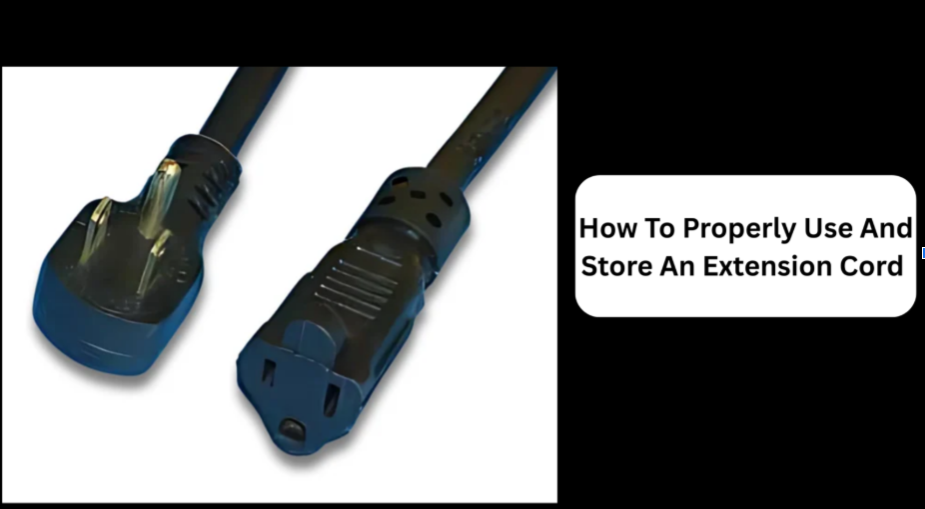
Extension cords are not the most glamorous stuff in your home or office, but they are among the most dedicated.
Whether it is a laptop in the corner of the house or garden tools in the backyard, these cords bring power to the place it is needed most. However, these are so helpful in our day-to-day life that they are taken for granted. For example, we have all stuffed them in a drawer or just left them all over the floor.
These minor errors during handling or storage can make cords run out more quickly, reduce their efficiency, or become unsafe. Speaking of which, extension cord misuse contributes to thousands of electrical accidents annually.
However, the good thing is that with a little extra care, you are sure to keep your cords safe and extend their life. So, you can enjoy trouble-free power whenever you want it.
Read on to find out more about it.
Selecting the Right Extension Cord
Proper extension cord selection is critical prior to its utilization. It is one of the most popular mistakes, as not all the cords are equal.
- Gauge and length: The most electricity can be transferred safely on thicker cords (with lower gauge numbers). That is because a long, yet thin cord is likely to overheat when used to power heavy appliances.
- Indoors vs. outdoors: The outdoor cords are constructed using weatherproof insulation. That is why you should never install an indoor cord outdoors, even temporarily.
- Amperage rating: Make sure the cord is rated to accommodate the total wattage of devices you will be plugging into it.
Overall, safe use begins by selecting the right extension cord.
Safety Tips When Using Extension Cords
Getting the correct cord is one thing, but good handling guarantees safety and durability. On that note, these are some of the major tips:
1. Avoid Overloading
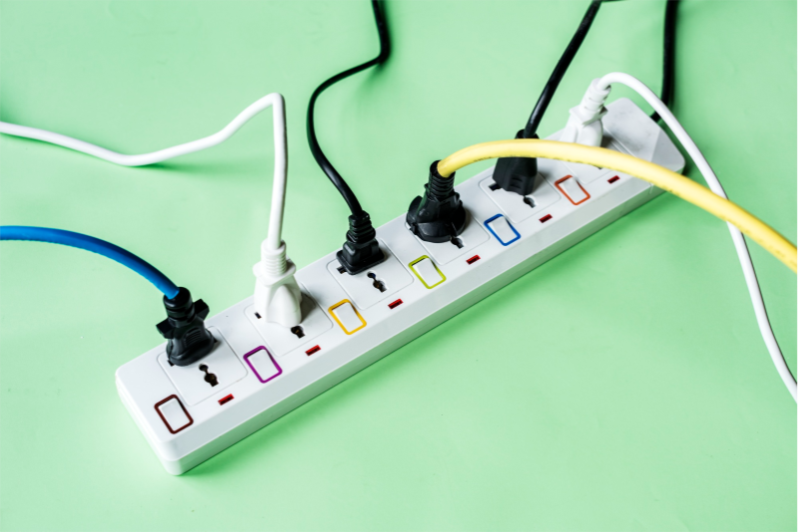
Overloading the cord with too many devices may cause overheating. To prevent this, check the wattage of the devices connected and ensure that it is below the capacity of the cord.
2. Make Cords Visible and Accessible
Always avoid running cords beneath furniture, rugs or carpets. Otherwise, it will trap heat and may damage insulation without you noticing. Also, when placing cords over a walkway, use cord covers to prevent tripping hazards.
3. Never Alter the Cord
Any cutting, splicing, or modification of an extension cord reduces its safety. In case a cord is damaged, discard it instead of attempting to fix the cord with tape.
4. Place in the Proper Environment
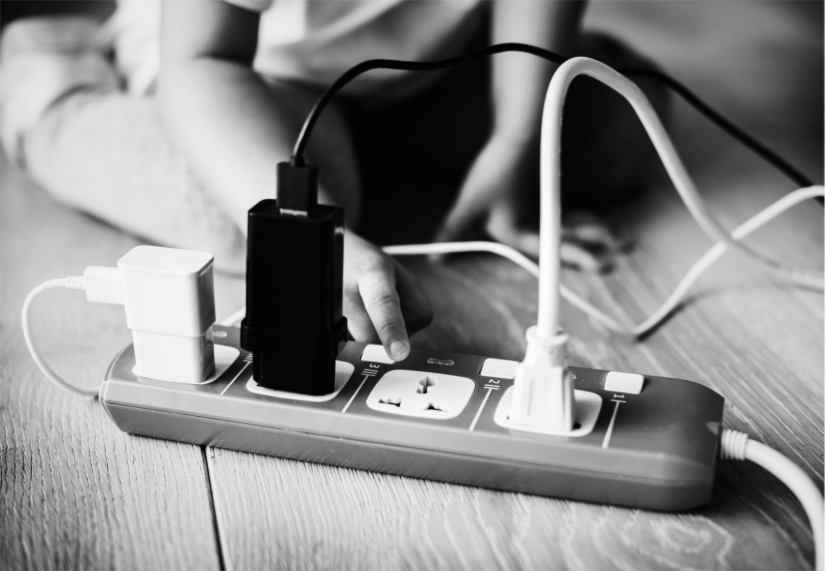
Cords indoors must be kept dry and covered. Therefore, outdoor cords must not be placed in standing water or within reach of sharp objects. Plus, they should never be near sources of excessive heat, such as grills or heaters.
5. Connect to the Right Outlets
Extenders must be directly inserted into wall sockets. Also, avoid daisy-chaining cords or plugging into power strips, as this poses a significant fire hazard.
See also: Understanding Forming Techniques: Achieving constancy in Sheet Metal Processes
Storing Extension Cords Without Damage
Extension cords should be stored carefully and neatly when not in use and should not get tangled up, or have cracks or unnecessary pressure. That is because, besides their lifespan, proper storage makes them accessible and safe for use. Here are some practical tips on how to keep your cords in the best shape.
1. Coil Them Right
Over-under-coil is the finest way to store the cords. Rather than looping the cord in a single direction, which creates twists, kinks, and strain, alternate the loop direction. This method can cause the cord to rest in more natural loops and is less prone to tangling. As a result, it is also easier to unwind the cable. Moreover, a properly coiled cord will spread out flat when unrolled, which saves you some time and frustration.
2. Avoid Tight Wraps
You might be tempted to tie a cord around your arm or elbow or over a small item, but this will introduce strain bends. It will lead to damaged internal wires. The sharp bends wear out insulation and lead to early failure over time. To prevent this, the trick is to knot a loose, gentle loop that leaves options open and the inner structure of the cord intact. In short, imagine it as letting the cord have breathing room.
3. Use Organizers
Cord organizers such as Velcro straps, reels or wall-mounted hooks make storing neater and more manageable. These accessories keep cords untangled in a drawer or box. Further, when you have several cords, you can also label them by length, purpose, or room, which will accelerate the retrieval even more. Such storing will ease the retrieval of the cord every time you want one.
4. Keep in a Cool, Dry Place
Cords stored in a basement, garage, or even exposed to sunlight may wear out fast. Conversely, they can last much longer with a climate-controlled indoor storage area.
5. Avoid Heavy Weight Items
You should never store cords under piles of tools or boxes. That is because crushing may break the insulation or permanently flatten the cord.
Conclusion
Extension cords may seem like simple tools, but treating them with care makes all the difference between frustration and long-lasting reliability.
With the right habits—coiling them gently, using organizers, and storing them in safe, dry spaces—you can prevent the common issues of tangles, cracks, and wear. In other words, think of each cord as a helper that brings power where you need it most; it deserves a little respect in return.
Hence, by giving your cords proper storage, you’re not only saving money on replacements but also ensuring safety, convenience, and peace of mind every time you plug in.