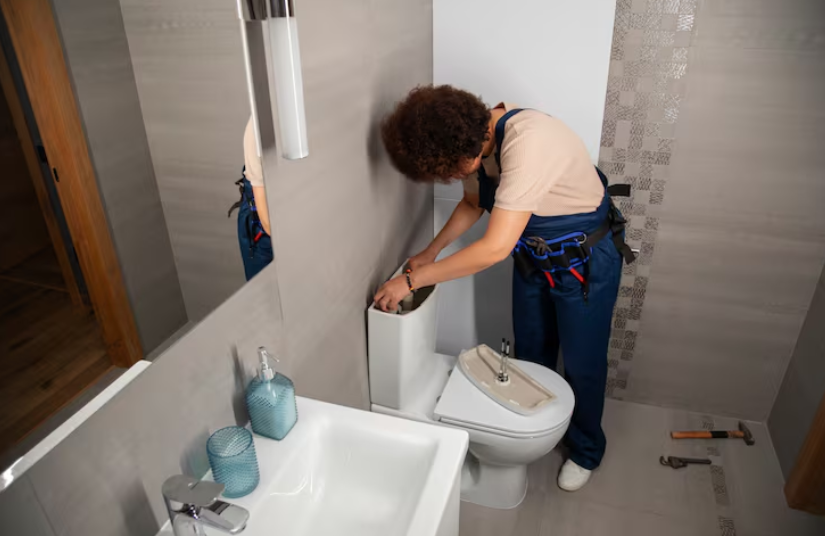
A constantly running toilet might seem like a small annoyance at first, but over time, it can lead to surprisingly high water bills and unnecessary waste. That continuous sound of water flowing can quickly become frustrating, especially when you’re unsure what’s causing it. Learning how to fix a running toilet can help homeowners quickly address the issue and prevent further water loss. The good news is that this is one of the most common household plumbing issues—and in most cases, it’s relatively simple to fix once you understand what’s going on inside the tank.
Learning how to repair a running toilet starts with identifying the root cause. Once you know which component is responsible, you can take the right steps to fix it without needing extensive tools or professional experience.
Understanding the Components
Before attempting any repairs, it helps to familiarise yourself with the parts inside your toilet tank. While it may look complicated at first glance, most toilets operate using a simple system of interconnected components. These include the flush valve, fill valve, float, flapper, and overflow tube.
Each of these parts plays a specific role in controlling water flow during and after a flush. When one component fails or becomes misaligned, it can disrupt the entire system, causing water to run continuously. By understanding how these pieces work together, you’ll be in a much better position to identify and resolve the issue quickly.
Diagnosing the Problem
One of the most important steps in fixing a running toilet is figuring out exactly what’s causing the problem. Instead of guessing, a quick inspection can usually point you in the right direction.
Check the Flapper
The flapper is a rubber seal located at the bottom of the tank. Its job is to cover the flush valve and hold water in the tank until you flush. Over time, this rubber piece can wear out, warp, or develop small cracks. When that happens, it can’t form a proper seal, allowing water to leak continuously into the bowl.
A simple way to test this is by pressing down on the flapper. If the running water stops when you do this, you’ve likely found the culprit. In most cases, replacing the flapper is all it takes to solve the issue.
Inspect the Fill Valve
The fill valve is responsible for refilling the tank after each flush. If it’s not working properly, it may keep running longer than necessary or fail to shut off completely. This can lead to a constant flow of water into the tank and, eventually, into the overflow tube.
Take a close look at the fill valve to see if there are signs of wear, misalignment, or debris interfering with its function. Sometimes, a simple adjustment is enough, while other times replacement may be necessary.
Examine the Float
The float controls the water level in the tank. If it’s set too high, water will continuously spill into the overflow tube, causing the toilet to run. If it’s too low, the tank may not fill properly, which can also lead to issues.
Checking the float’s position is quick and easy. Ideally, the water level should sit about an inch below the top of the overflow tube. If it’s not at the right height, adjusting the float can often resolve the problem immediately.
Fixing Common Issues
Once you’ve identified the source of the problem, the next step is to carry out the necessary repair. Most fixes are straightforward and can be done with minimal tools.
Replacing a Faulty Flapper
If the flapper is worn or damaged, replacing it is one of the easiest and most cost-effective solutions. Start by turning off the water supply to the toilet, then flush to empty the tank. Remove the old flapper and attach the new one securely over the flush valve.
Make sure it forms a tight seal and that the chain connected to the flush handle has just the right amount of slack—not too tight and not too loose. Once everything is in place, turn the water back on and test the flush to ensure the issue is resolved.
Addressing Fill Valve Malfunctions
If the fill valve is the problem, you may need to replace it entirely. Begin by shutting off the water supply and draining the tank. Remove the old valve and install a new one according to the manufacturer’s instructions.
Proper installation is key, so ensure the valve is securely fitted and adjusted to maintain the correct water level. Once installed, turn the water back on and observe how the tank refills. A properly functioning fill valve should stop once the tank reaches the desired level.
Adjusting the Float
If the float is causing the issue, a simple adjustment can often fix it. Depending on the type of float, you may need to bend a metal arm slightly or turn an adjustment screw. The goal is to position the float so that the water shuts off before reaching the overflow tube.
This small adjustment can make a big difference, stopping the continuous flow of water and restoring normal operation.
Avoiding Future Problems
Once your toilet is working properly again, taking a few preventative steps can help you avoid similar issues in the future.
Regular Inspections
Checking your toilet components every now and then can help you catch problems early. Look for signs of wear, such as a deteriorating flapper or a noisy fill valve. Replacing small parts before they fail can save you time and money in the long run.
Use Quality Parts
When replacing any components, it’s always a good idea to choose high-quality parts. While cheaper options might seem appealing, they often wear out faster and can lead to repeated issues. Investing in durable components ensures better performance and fewer repairs over time.
Monitor Water Usage
Keeping an eye on your water bill is another simple way to detect hidden problems. A sudden increase in usage could indicate a leak or a running toilet that hasn’t been noticed. Addressing the issue early can prevent unnecessary expenses and water waste.
Seeking Professional Assistance
Although many toilet repairs are simple enough to handle on your own, there are times when calling a professional plumber is the best option. If you’ve tried the common fixes and the problem persists, a trained expert can perform a more detailed inspection and identify less obvious issues.
Professional assistance ensures that the repair is done correctly and can prevent further complications, especially in more complex situations.
Utilising Resources
If you’re unsure about any step in the repair process, there are plenty of helpful resources available. Online guides, instructional videos, and step-by-step tutorials can provide additional clarity and confidence as you work through the repair. These resources make it easier than ever to tackle basic plumbing tasks at home.
Envision the Long-Term Benefits
Fixing a running toilet is more than just eliminating an annoying sound—it’s about conserving water, reducing utility bills, and maintaining an efficient home. Every drop of water saved contributes to a more sustainable lifestyle, making this small repair a meaningful step towards responsible living.
As you become more comfortable handling minor repairs like this, you’ll gain confidence in maintaining your home. The ability to fix everyday issues on your own not only saves money but also brings a sense of satisfaction that comes from solving problems independently.