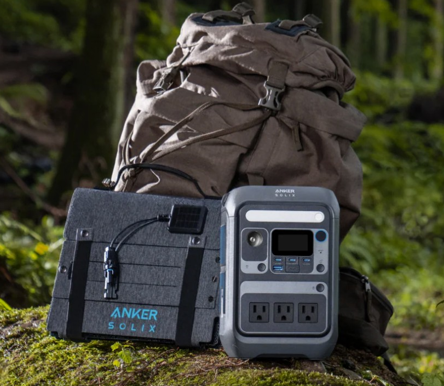
For off-grid living, many people view solar generators as a clean substitute for gasoline generators. These systems supply AC and DC electricity for everyday usage while storing solar energy in batteries. However, reliable energy is necessary for communication, cooking, refrigeration, lighting, and water pumping while living off the grid full-time. Whether a single solar generator can provide these continuous demands is the question. The response is contingent upon charging dependability, system capacity, and energy usage. This tutorial looks at actual power needs and describes when a solar generator is suitable for living off the grid and when further equipment is needed.
What Power Requirements Does Off-Grid Living Demand?
Calculating Daily Energy Consumption (Wh/kWh)
Living off the grid necessitates careful energy planning. Make a list of every gadget you use on a regular basis, such as water pumps, routers, computers, lights, refrigerators, and kitchen appliances. To get watt-hours, find the wattage rating of each device and multiply it by the number of hours used each day. To find the overall amount of energy used each day, add up all the data. Minimalist arrangements utilize far less energy than larger families, which may use several kilowatt-hours each day. Include a safety margin since actual consumption frequently surpasses original projections. Accurate estimates avoid frequent power outages and undersized systems. The first step in choosing the appropriate solar generator capacity is to comprehend the daily energy consumption.
Peak Load, Surge Power, and Appliance Planning
Off-grid systems have to manage surge power and peak load in addition to daily energy totals. When several appliances are running at once, the load is at its highest. The running wattage of devices that are likely to be used together should be added by users. For appliances that include compressors or motors, surge power is important. Pumps and refrigerators sometimes use twice or three times as much power when they first start up. The system cuts off if the inverter is unable to handle this surge. Overload danger is decreased by careful appliance planning. Device usage can be staggered by users to control demand. Stable and dependable performance in an off-grid system is ensured by matching the inverter output and surge rating to actual operating conditions.
Seasonal Changes and Weather Impact on Solar Output
Weather conditions and daylight hours cause variations in solar output throughout the year. Shorter days and lower light angles throughout the winter cut down on charging time. Storms and cloud cover significantly reduce sun output. Longer days in the summer boost potential output, but too much heat can somewhat lower panel efficiency. Instead of planning for the best output season, off-grid users should plan for the lowest. Winter shortages happen when a system is designed solely for peak summer performance. Panel capacity and battery reserves should cover periods with less sunshine. Taking seasonal fluctuation into account guarantees a steady power supply even when the environment varies.
Can a Solar Generator Meet Long-Term Off-Grid Needs?
Battery Capacity, Expandability, and Modular Systems
How long a solar generator can run without sunshine depends on its battery capacity. Larger storage, measured in kilowatt-hours, is frequently required for off-grid life. Seldom can small portable units meet all of your energy demands at once. As demand increases, customers can add battery modules to expandable systems. Modular architecture preserves the initial investment while enhancing flexibility. Users progressively increase storage rather than upgrading the entire system. High-capacity lithium iron phosphate batteries provide longer cycle life and stable performance, especially when managing higher loads measured in amps electric demand. Adequate storage ensures power availability overnight and during cloudy periods. Without sufficient capacity or expandability, long-term off-grid reliability becomes difficult to maintain consistently.
Solar Panel Sizing and Charging Efficiency
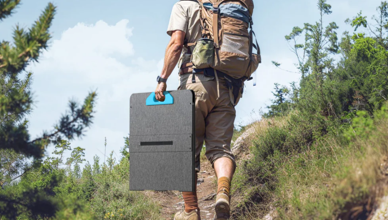
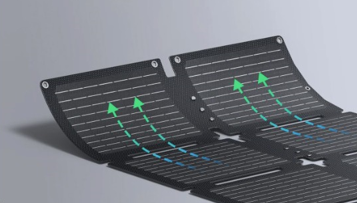
The capacity of solar panels has a direct impact on a generator’s ability to support off-grid life. Within the hours of accessible sunshine, users must install enough panel wattage to replace their daily energy use. Battery levels gradually decrease when arrays are too small. By adjusting voltage and current in response to fluctuating circumstances, MPPT charge controllers increase charging efficiency. Tilt angle and panel orientation also affect output. Panels should be positioned by users to receive the most sunshine possible all year round. During overcast times, further security is provided by oversizing within input restrictions. For sustained off-grid operation, proper solar size guarantees that batteries recharge completely and maintain a steady energy balance.
See also: Modern Advancements in Metal Bending Technology
Backup Plans: Generators, Hybrid Systems, and Energy Management
Backup strategies help even well-designed solar systems. Batteries can be rapidly depleted by prolonged storms or unforeseen surges in demand. For emergency charging, many off-grid users maintain a small gasoline generator. For greater flexibility, hybrid systems include grid or generator input, solar power, and battery storage. Strategies for energy control also lessen stress. Users may reduce unneeded loads and plan high-demand appliances for the hours of greatest sunshine. Trends in charging and usage may be tracked with the use of smart monitoring applications. Backup options increase dependability rather than replace solar power. Even in the event of inclement weather or periods of higher-than-anticipated demand, a layered strategy guarantees reliable electricity.
Conclusion
Off-grid living may be supported by a solar generator, but only if it is appropriately scaled and designed. System design is influenced by seasonal fluctuations, surge requirements, and daily energy predictions. While bigger expanding systems are better suited for full-time homes, small portable units can be more appropriate for minimalist lifestyles. For reliable functioning, properly sized solar panels and sufficient battery storage are still necessary. During prolonged periods of low sunlight, hybrid systems or backup generators provide additional security. Instead than relying on luck, off-grid life requires rigorous management. Users can ascertain if a solar generator by itself satisfies their long-term independence goals by assessing actual energy requirements and making plans for the worst-case scenario.