For generations, workshops have cleaned metal with abrasives, chemicals and elbow grease. Sandblasting strips rust in minutes, solvents dissolve grease, and a grinder takes paint off quickly. These methods work, and they are familiar. Laser cleaning is newer, and it asks buyers to think differently about a routine job. Comparing the methods side by side is the best way to decide whether a laser system earns its place, and a good laser cleaning machine manufacturer will be happy to walk through the comparison honestly.
Sandblasting: Fast but Rough
Sandblasting fires abrasive grit at a surface under pressure. It removes rust and paint quickly and works on large areas, which is why shipyards and structural workshops have used it for decades. The drawbacks are well known. The grit wears away good metal along with the rust, changing dimensions on precise parts. It creates large amounts of dust, so the operator needs protective gear and the work area needs containment. The spent grit must be collected and disposed of, and on polished or delicate surfaces sandblasting causes damage that cannot be undone. For heavy structural work where surface finish is not critical, sandblasting still has a place. For anything precise, it is a blunt tool.
Chemical Cleaning: Effective but Messy
Chemical cleaners and solvents dissolve grease, paint and some corrosion without mechanical force. They reach into corners and work on complex shapes. The problems are handling and disposal. Many solvents are hazardous to health, requiring ventilation, gloves and protective equipment. Used chemicals become waste that must be stored and disposed of under regulation, which adds cost and paperwork. Some chemicals also leave residues that interfere with welding or painting. Chemical cleaning suits some jobs, particularly degreasing, but it is a poor choice where a dry, clean, ready-to-work surface is needed quickly.
Grinding and Wire Brushing: Simple but Slow
Grinding discs and wire brushes are cheap, available everywhere and easy to understand. They remove rust and paint effectively on small areas. Their limits are speed and surface damage. Grinding removes metal along with the rust, generates heat that can distort thin parts, and leaves scratches that show through paint. On large areas it is slow and tiring, and in corners it is hard to reach. For a quick repair on a single part, a grinder is fine. For regular cleaning work, it is hard, slow labour.
Laser Cleaning: Precise, Dry and Clean
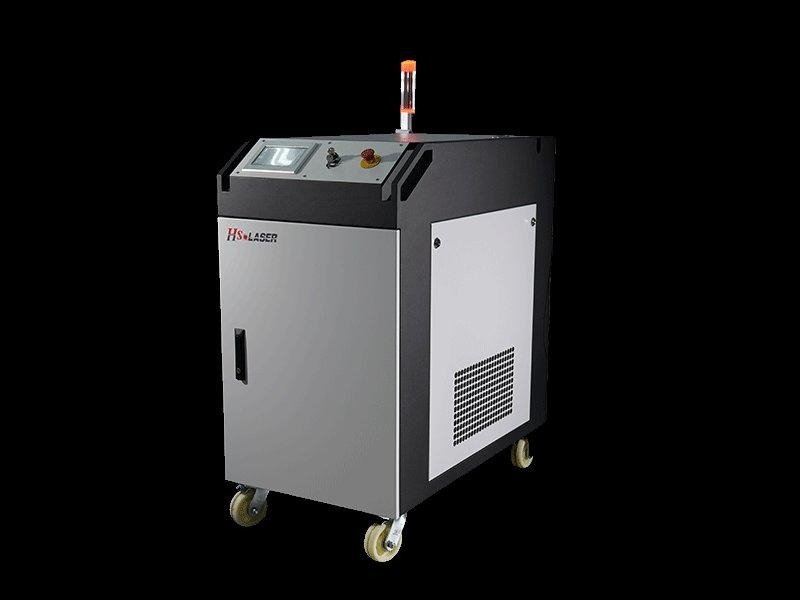
Laser cleaning removes contamination with a pulsed beam, lifting rust, paint and oil away while leaving the surface beneath untouched. There are no abrasives, so nothing is worn away. There are no chemicals, so there is no hazardous waste. The surface comes out dry and ready for welding or painting immediately. The process is quieter than sandblasting, produces far less mess, and can be controlled finely enough for delicate work such as moulds or historic stone. The main drawback is the purchase price: a laser cleaning machine manufacturer charges more upfront than a blaster or a grinder. Running costs, however, are low, since there are no consumables beyond electricity and occasional lens cleaning.
A Fair Comparison
The honest answer is that each method has its place. Sandblasting suits large, rough structural work. Chemicals suit degreasing complex shapes. Grinding suits small, quick repairs. Laser cleaning suits work where the surface matters, where waste and mess are a problem, or where cleaning is a regular, repeated task. Many workshops keep more than one method and choose per job. A laser cleaning machine manufacturer can help you judge the balance by demonstrating the laser on your own parts and letting you compare the finish, the speed and the cleanliness of the result.
See also: Modern Advancements in Metal Bending Technology
5 Differences That Matter Most
- Surface wear: lasers remove nothing but contamination; abrasives remove metal too.
- Waste: laser cleaning leaves only fine dust; blasting leaves spent grit.
- Chemicals: lasers use none; solvents create hazardous waste.
- Readiness: a laser-cleaned surface is dry and ready at once.
- Precision: laser settings adjust to delicate or heavy work.
Making the Switch: What to Expect
Moving from traditional cleaning to laser cleaning is a change in routine, and it helps to know what the first weeks look like. Your team will need training, which a good laser cleaning machine manufacturer includes with the machine. The first jobs will take a little longer while operators learn the settings, but speed improves quickly with practice. You will also notice the workshop getting cleaner: no grit underfoot, no chemical smells and no drums of waste waiting for collection. The change is worth planning for. Talk to your laser cleaning machine manufacturer about a trial period or a demonstration on your own parts before you commit. Ask what support is available in the first months, and make sure your team knows who to call with questions. A laser cleaning machine manufacturer that supports you through the switch is one that understands that the sale is only the beginning. Most workshops find that within a few weeks the new routine feels normal, and the old methods are kept only for the occasional job that still suits them.
Frequently Asked Questions
Is laser cleaning more expensive than sandblasting?
The machine costs more to buy, but running costs are low: no grit, no chemicals and no disposal. For regular cleaning work, the total cost often compares well over time.
Can laser cleaning replace sandblasting entirely?
Not always. Very large, rough structural surfaces may still suit blasting. For precise, repeated or delicate work, laser cleaning is usually the better choice.
Does laser cleaning need special training?
Operators need training in settings and safety, like any workshop equipment. A good laser cleaning machine manufacturer includes training with the machine.
Final Thoughts
Traditional cleaning methods are familiar and cheap to start with, but they bring dust, waste, surface wear and slow manual work. Laser cleaning brings precision, cleanliness and low running costs at a higher upfront price. Compare them on your own parts, weigh the total cost of ownership, and let the results decide. Any laser cleaning machine manufacturer worth its name will welcome that comparison. Talk to a laser cleaning machine manufacturer before you decide: a laser cleaning machine manufacturer will demonstrate on your parts and help you compare the costs.