People often picture dentures as bulky appliances with oversized teeth, visible borders, and an unnatural smile. That image reflects older designs, not the materials and fitting methods used today.
Modern dentures use slimmer bases, more natural tooth shapes, and carefully selected shades that match facial features. Improved customization also helps patients speak, chew, and smile with greater comfort. Several design changes explain why today’s dentures look more realistic than earlier versions.
Better materials create a natural appearance
Material changes explain much of the difference. Dentists now use acrylic and porcelain teeth with varied shapes, subtle surface details, and shades that avoid a flat, overly bright appearance. A thin acrylic base also rests more comfortably against the gums. Patients researching dentures in Las Vegas can discuss tooth size, color, and overall design during a consultation, rather than accepting a standard appearance.
Older dentures often looked artificial because every tooth had the same shape and position. Modern designs account for facial proportions, gum display, lip support, and the patient’s existing smile. Small adjustments make the replacement teeth appear more consistent with the rest of the face.
Custom fitting improves comfort and function
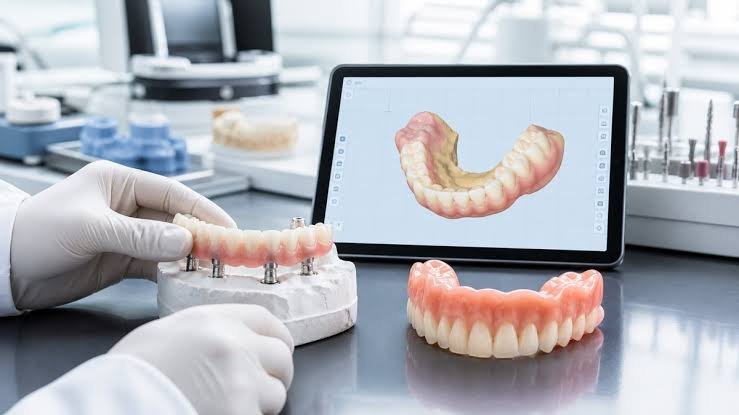
A natural appearance depends on more than tooth color. A denture must fit the mouth correctly, support the lips, and maintain a stable bite during speaking and chewing. Denture treatment usually includes an examination, impressions, fittings, adjustments, and final placement.
Most patients complete the process in three to four visits, depending on whether they need full or partial dentures. Each appointment gives the dentist a chance to refine the fit and correct pressure points. These adjustments reduce movement and help the appliance feel less noticeable during daily activities.
Full and partial dentures serve different needs
Full dentures replace an entire upper or lower arch when natural teeth are no longer present. The appliance uses a slim base with replacement teeth attached, restoring the appearance of a complete smile and supporting basic chewing function.
Partial dentures replace several missing teeth while using remaining teeth for support. Many partial dentures include a thin metal framework, small clasps, and gum-colored acrylic. The framework helps hold the appliance in place without creating an unnecessarily bulky shape.
The right design depends on the number of missing teeth, the condition of remaining teeth, and the stability needed for daily use. A careful evaluation prevents patients from choosing an appliance that doesn’t match their oral structure.
Implant support can reduce movement
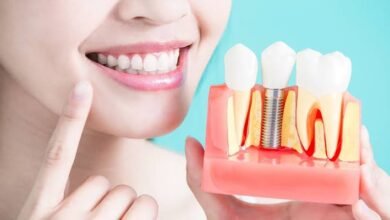
Traditional dentures rest on the gums, so movement can occur during eating or speaking. Implant-supported dentures connect to dental implants placed in the jaw, giving the appliance a more secure foundation.
This approach does not suit every patient, because bone volume, general health, and treatment goals affect eligibility. However, implant support gives some denture wearers better stability than a removable appliance supported only by the gums. A dentist can explain the required steps during an examination.
Appearance depends on detailed choices
Patients can influence how natural their dentures look by discussing preferences before fabrication. Tooth length, width, shade, alignment, and visible gum shape all affect the final result. Recreating a former smile and choosing a refreshed appearance require different design decisions.
A dentist also considers the patient’s age, facial contours, lip movement, and remaining natural teeth. These details prevent the replacement teeth from appearing too uniform. The final result should look like a complete smile, rather than a separate object placed over the gums.
Proper care protects the result
Dentures require daily cleaning and regular dental visits. Patients should remove removable dentures as directed, clean the appliance with appropriate products, and keep it moist when it is not being worn. Hot water can distort some denture materials.
The mouth also needs attention after tooth loss. A dentist should check the gums, remaining teeth, bite, and denture fit during routine visits. Soreness, looseness, cracking, or changes in speech indicate that the appliance needs evaluation.
Conclusion
Modern dentures look more natural because dentists control more details than older designs allowed. Slimmer bases, realistic tooth shapes, custom shades, accurate impressions, and careful adjustments all influence the result.
Patients should ask how a proposed denture will support the lips, fit the gums, and function during meals. A consultation that covers these points gives patients a clear design plan and identifies whether a traditional, partial, or implant-supported denture fits their needs.