Nepal and Bhutan are two celebrated Himalayan destinations with breathtaking mountains and culturally diverse lands. The bustle of the cities and the tallest mountains are best represented by Nepal. Bhutan often features peaceful monasteries and a culture of happiness.
Combining Nepal and Bhutan in one trip means you can have adventure and tranquility. Trekking in Nepal and adventuring in lively cities, neighbouring Bhutan offers a chance to explore spiritual monasteries and untouched regions. The two make a complete journey to the Himalayan Region.
Some of the highlights include Kathmandu’s beautiful temples, Mount Everest viewings, Bhutan’s Tiger’s Nest, Punakha Dzong, and local street markets. Both trips offer different contexts where you can participate in Buddhist rituals, arts, and connect with locals on different levels of engagement.
Nepal and Bhutan combined tour is ideal as travel times and budgets of both trips are similar. The combined trip will help you visit the highlights, suggest and offer tips on visas, transportation, and health, and prepare you for your Himalayan adventure.
Why Combine Nepal and Bhutan?
Geographically and culturally, Nepal and Bhutan differ greatly from one another. You can see peaceful monasteries and unspoiled natural beauty in Bhutan, while in Nepal, you can get bustling cities and a variety of landscapes. This exciting combination of diverse geography and rich culture makes the trip more exciting.
You will have an opportunity to experience Buddhist culture in both countries, but in different forms. Bhutan has its practices in Vajrayana Buddhism, but Nepal has a combination of both Buddhism and Hinduism. You can get different spiritual paths in this single journey.
As for logistics, both destinations are well connected with a short flight between Kathmandu and Paro. The two countries offer an ease of travel to plan a seamless itinerary and make the best use of your time in both countries with a straightforward movement plan.
See also: eSIM: The Future of Travel Connectivity
Must-Visit Places in Nepal
- Kathmandu-The Cultural Heart
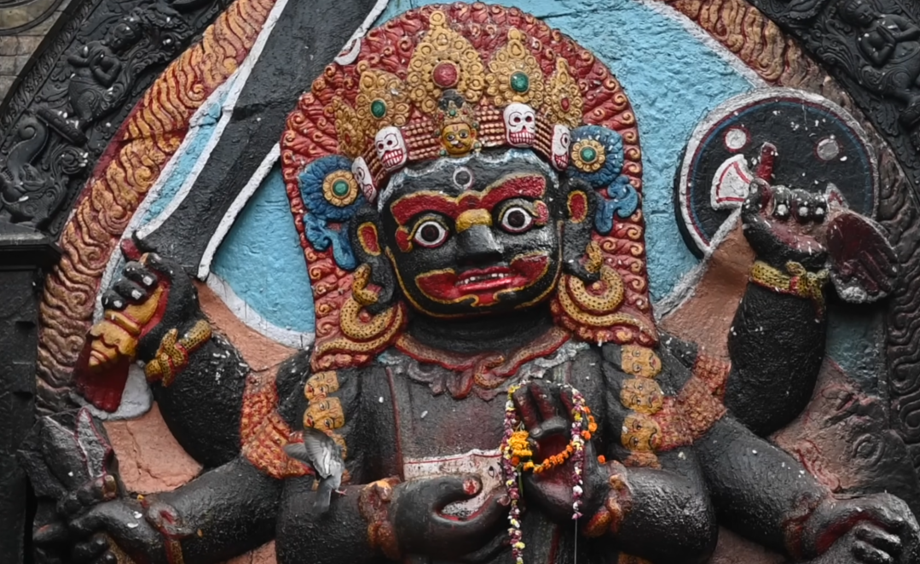
Pashupatinath Temple in Kathmandu is the most sacred Hindu temple, which is known for its unique rituals and centuries-old architecture. Additionally, the city is home to Boudhanath and Swayambhunath stupas, which symbolize Buddhist traditions and are daily visited as a pilgrimage site by many devotees.
You can visit Kathmandu, Bhaktapur, and Patan Durbar Square, where you can get the opportunity to experience the artistic brilliance of Kathmandu Valley and day-to-day life. Here, you can see the Living Goddess, local crafts, and more.
- Scenic & Adventure Hotspots
Pokhara, located on tranquil Phewa Lake, is amazing with mountain scenery and thrilling adventures, including tandem paragliding over the city and lake before landing on a small island. Pokhara is also the ‘natural’ gateway to the Annapurna trekking region.
The Everest hiking region offers world-class trekking and excellent mountain flights, and you can get up close and personal with Everest and the rest of the Himalayas. Chitwan and Bardia National Parks offer a wild experience with jungle safaris, plus the ability to see tigers, rhinos, and many birds.
- Spiritual and Offbeat Experiences
There are many spiritual sites, including Lumbini, the birthplace of Gautam Buddha. This place has several highlights, Maya Devi Temple and Ashoka Pillar are also among them, symbolizing the aura of sacredness and a place of Buddhist pilgrimage.
You can witness festivals like Indra Jatra and Yomari Punhi in Kathmandu, which are filled with music, dances, and traditional foods. You will get an intimate experience of local culture and flavor while having Nepali food and visiting handicraft marketplaces.
Must-Visit Places in Bhutan
A. Thimphu – The Peculiar Capital
Thimphu blends tradition with modernity all at once. This city has everything, from the Tashichho Dzong – an impressive fort that is the home of the office of government, as well as part religious facility – to the wonderful markets and business buildings portraying traditional local life as well as events such as archery matches.
The Buddha Dordenma (the huge golden Buddha statue located on a hilltop overlooking Thimphu) symbolizes peace and prosperity for the Bhutanese.
The National Memorial Chorten is a popular stupa that pays tribute to the 3rd king of Bhutan. It has many sacred paintings and is an oasis of calm and serenity.
B. Paro – Home of Tiger’s Nest
Paro is home to the famous Tiger’s Nest (Taktsang) Monastery. This stunning temple hangs dramatically on the cliffside and is accessed by a beautiful hike. The hike is a pilgrimage in and of itself, and the spiritual experience is like no other.
Rinpung Dzong is a fort, is the home of the National Museum, where you will learn about Bhutan’s culture and religion through sacred artifacts and historical collections, which makes Paro a significant cultural place.
C. Punakha & Central Bhutan
Punakha Dzong, known as “the most beautiful fortress in Bhutan,” is at the place where the confluence of two rivers takes place. It is the most notable expression of traditional Bhutanese architecture and history. A stop here should be a definite highlight for anyone visiting.
At Dochula Pass, you can view all the eastern Himalayan Mountains at once, with all of the 108 chortens marking the view. Phobjikha Valley located nearby, is a glacial valley famed for its black-necked cranes and natural beauty, that add ecological interest to your travel.
D. Unique Traditions of Bhutan
Bhutan’s extraordinary cultural policies flow from its philosophy of Gross National Happiness, which focuses on well-being rather than economic expansion, unique to this Himalayan kingdom.
Rugged dress is common attire for both men (Gho) and women (Kira) and is commonly worn at the many colorful Tshechu festivals, including the rich dances and rituals, considered by many travelers to be the best experience of travel, which is experiencing local culture at its deepest aspirations.
Practical Travel Tips
A. When to Visit
Spring (March to May) and autumn (September to November) are the best times to visit Nepal and Bhutan, offering mild temperatures, stunning views, and colorful festivals – a great time of year for sightseeing and trekking.
Spring puts on a show with the flowers blooming; autumn has cool air, and the views of the mountains are amazing. Although you should avoid the monsoon and winter months for trekking and visiting, some areas are good to visit at any time of year.
B. Visa & Entry Rules
Nepal offers a visa on arrival to most nationalities, which removes a lot of the stress for travelers as the entry rules are much less complicated. The tourist entries for Nepal don’t involve applications, so as a tourist, you can obtain your visa once at the airport or upon crossing the border.
Bhutan, on the other hand, is only available with a mandatory pre-booked tour through a registered agency. The cost is a minimum daily tourist fee or an inclusive payment to have a licensed agency in Bhutan cover accommodation, food, transport, and guides. Independent travel is prohibited by the government to preserve its culture and environment.
C. Transportation
There are direct flights between Kathmandu and Paro on Druk Air and Bhutan Airlines, so visiting Nepal and Bhutan is easy and quick.
Conditions on the road vary in both countries. Nepal has many modes of transport domestically (buses, taxis, and domestic flights) as well. Bhutan uses mainly roads and cars or guided buses; there are some rough roads it must be noted in the countryside.
D. Accommodation & Food
There is an abundance of options within Nepal in terms of accommodation. Hostels and cheap to high-end resorts are available. It will be easy to find local meals, such as momo (dumplings) and dal bhat (lentils and rice). These two meals are staples in the diet of the average Nepali citizen.
In Bhutan, accommodation is limited to government-approved hotels with a rating of upward of 3 stars, which are not measured by luxury, but quality, comfort, and sustainability.
E. Cultural Do’s & Don’ts
When visiting temples, please remove shoes prior to entering, and take care not to take photographs in shrines to respect the religion.
While visiting the places, dress modestly, covering knees and shoulders in both countries, to show respect to local customs. If you are planning to visit these countries during festivals, then make sure to know how to greet people.
Conclusion
Nepal and Bhutan offer you thrilling adventure as well as spirituality, perfect for travelers seeking a cultural experience in stunning natural scenery. You can explore the mountains, temples, and traditions of the beautiful regions as the tour is a combination of adventure and spirituality.
Make sure to travel in the best weather conditions and try to make the trip as seamless as possible. Embrace responsible tourism to guard the environment and cultural traditions, while allowing you to immerse yourself in the magic of the Himalayas that these exquisite countries have to offer.