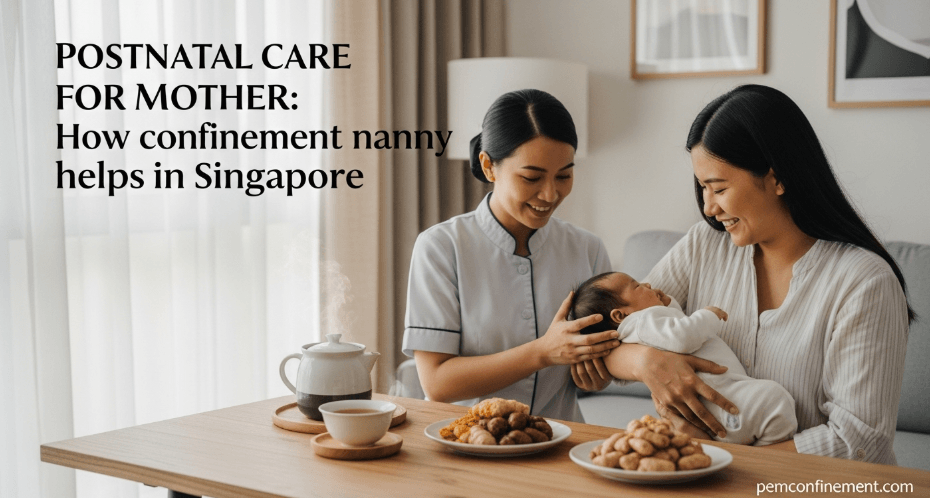
Postnatal care for mothers can feel overwhelming in Singapore, especially when you are balancing recovery, feeding questions, and the reality of caring for a newborn around the clock. Many mums plan baby gear in detail, but only realise later that the first few weeks after delivery need just as much preparation.
A confinement nanny gives you structured, practical support at home, so you can rest, heal, and learn newborn care with steady guidance. For expecting parents in the 1st to 3rd trimester, planning early also reduces last-minute stress.
What “confinement” means in Singapore today
Postpartum confinement refers to a recovery period after birth, commonly 28 to 30 days, and sometimes longer, depending on family tradition. In Singapore, confinement blends cultural practices with modern routines that align with hospital advice, hygiene standards, and family preferences.
Research in Singapore shows most mothers continue confinement practices across ethnic groups, with participation ranging roughly from 85% to 96%. Many families still rely on relatives, but a meaningful proportion hire professional support, particularly among Chinese families.
Why postnatal recovery needs a plan (not just willpower)
Your body goes through significant changes after delivery, even when birth is uncomplicated. Many mothers also underestimate how demanding newborn care is at night, when broken sleep quickly adds up.
Common early postpartum challenges include:
- Fatigue from frequent feeds and settling
- Breastfeeding discomfort and questions (positioning, latch, pumping routines)
- Uncertainty about newborn cues, sleep patterns, and soothing
- Managing meals, hydration, and basic self-care while caring for a baby
If you experience persistent low mood, panic, or thoughts of harm, seek medical help promptly. Postpartum mental health concerns need professional assessment and care.
How a confinement nanny supports Postnatal Care for the mother at home
A strong confinement nanny arrangement focuses on two priorities: consistent baby care and a recovery-friendly environment for mum. In practice, this looks like structured days, calmer nights, and clear guidance when you feel unsure.
Most families choose a 2 to 4 week service, and some extend support for longer, especially after a caesarean birth or when additional rest helps.
If you want to understand how home-based care works in Singapore, you can explore details about PEM’s confinement nanny support here.
What PEM nannies actually do each day (and night)
PEM nannies support you with day and night baby care, while keeping routines realistic and safe for everyone. They also focus on the household tasks that directly affect recovery and feeding.
Typical job scope includes:
- Day and night baby care: feeding support, diaper changes, bathing, soothing, settling routines
- Breastfeeding guidance: practical positioning support and routine suggestions (non-medical)
- Confinement food and tonic cooking: warm, nourishing meals aligned to confinement preferences
- Herbal bath preparation: warm herbal bath set-up according to your comfort and routine
- Laundry: baby laundry and recovery-related laundry support
On day one, many nannies also help you set a workable flow for feeds, rest windows, and hygiene routines, so you do not spend the first week “guessing” what to do next.
The PEM difference: training, experience, and reliability
When you are choosing among confinement nannies Singapore offers, training and consistency matter. A postpartum home environment is personal, and you need calm, competent support.
PEM stands out because:
- PEM nannies complete 150 hours of training based on modules reviewed by a leading mum and baby expert
- PEM brings 30+ years of industry experience, with 550+ nannies and support for 50,000+ mothers
- PEM guarantees the nanny’s arrival, which matters when your due date shifts or baby arrives early
This combination helps you get dependable care and confident, hands-on guidance without adding administrative stress to your recovery.
See also: Lifestyle Strategies for Supporting Sustainable Weight Balance
Herbal baths and herbal packages: what to know before you deliver
A herbal bath is a bath with warm water infused with selected herbs, commonly used during confinement for comfort and a refreshed feeling. Families approach this differently, and PEM nannies adapt to your preferences and routine.
If you are considering an herbal package, PEM nannies are trained to prepare herbal packages. Mothers can also add on the herbal package at a special rate, which many parents find convenient when planning their confinement set-up ahead of time.
Confinement nanny vs other postpartum options in Singapore
Many parents compare a nanny, family support, and confinement centres. Each option can work well, depending on your privacy needs, budget, and the level of hands-on guidance you want at home.
| Option | Best for | Watch-outs |
| Confinement nanny (home) | 1-to-1 personalised care at home, flexible routines, practical teaching | With less privacy at home, you need basic boundaries and house rules |
| Confinement centre | Parents who want a bundled environment with set schedules | Higher cost, fixed routines, time away from home |
| Family support | Familiarity and lower cost | Differences in opinions, fatigue for relatives |
| DIY with meal delivery | Maximum privacy, lower cost | Steep learning curve, less rest, less baby-care guidance |
Cost expectations (so you can budget calmly)
In Singapore, a basic 28-day confinement nanny package typically starts at around S$3,000, with higher rates for more experienced caregivers and during peak periods. Confinement centres can cost significantly more depending on duration and room type.
Disclaimer: All prices are indicative and may change due to seasonality, service scope, and individual arrangements. Confirm the latest pricing directly with the provider.
A simple checklist for choosing a recommended confinement nanny Singapore families trust
When parents ask for recommended confinement nanny options in Singapore that can genuinely support them, they usually want three things: competence, consistency, and a clear scope. Use this checklist while planning:
- Confirm training standards and what the nanny is trained to do (baby care, breastfeeding guidance, meals, and herbal bath preparation).
- Ask about day and night baby care coverage and how rest breaks are handled.
- Clarify cooking expectations (number of meals, preferred tonic soup, dietary needs).
- Align on household boundaries (laundry scope, visitors, hygiene routines).
- Choose a service duration that matches your recovery needs and family support.
Planning timeline: when to book and what to prepare at home
Most parents start shortlisting in the second trimester and confirm their choice by the third trimester, especially during popular delivery months. Early planning gives you time to organise sleeping arrangements and pantry essentials for confinement cooking.
Helpful home preparation includes:
- Clear space for baby bathing and supplies
- Basic meal and soup ingredients you prefer
- Your preferred feeding plan (direct latch, pumping, mixed feeding)
- Simple household rules so you can rest without managing logistics
If you are ready to plan your postnatal care for the mother with reliable home support, you can reach PEM directly to discuss dates and needs. Submit your details here.
Enquire Now or Get a Free Quote to secure a calmer start for you and your newborn.