Every filmmaker has experienced that sinking feeling when a battery dies mid-take, forcing a reset of lighting, performance, and momentum. On any film set, power management isn’t just a technical concern—it’s the invisible foundation that determines whether you capture the perfect moment or watch it slip away. At the center of a professional camera rig sits the V-Mount battery, a workhorse that powers not just your camera but often your monitor, wireless transmitters, and accessories simultaneously. Yet here’s the challenge: How do you choose a V-Mount battery that delivers consistent performance when it matters most? The answer extends far beyond glancing at capacity numbers on a spec sheet. This guide cuts through the marketing noise to examine the real performance metrics that separate reliable batteries from liability—exploring voltage stability, discharge rates, intelligent power management, and the durability features that professional cinematographers depend on. Understanding these factors transforms battery selection from guesswork into a strategic decision that protects both your footage and your reputation.
Beyond mAh: Decoding True V-Mount Battery Performance
When shopping for a V-Mount battery, the milliamp-hour rating catches your eye first—but treating mAh as the sole performance metric is like judging a camera by megapixels alone. True battery performance reveals itself through several interconnected specifications that determine whether your power source will hold up under demanding conditions. Voltage stability under load matters immensely: a quality battery maintains consistent voltage output even when powering multiple accessories simultaneously, preventing the voltage sag that causes unexpected shutdowns or dimming monitors. Maximum continuous discharge current, measured in Amps, dictates how many high-draw devices you can safely power at once without triggering protection circuits. The real measure of usable energy comes from Watt-hours (Wh), calculated by multiplying voltage by amp-hours—this figure tells you actual runtime far more accurately than mAh alone. Behind these specifications sits the Battery Management System, the intelligent circuitry that balances individual cells, prevents overcharging and over-discharging, monitors temperature, and communicates remaining capacity to your camera. A sophisticated BMS extends battery lifespan and provides the safety margins professionals require. Finally, understand that “real-world capacity” often falls short of rated capacity due to efficiency losses, temperature effects, and the protective cutoffs that preserve battery health. Premium batteries minimize this gap through superior cell quality and thermal management, delivering performance that matches their promises when the camera rolls.
Choosing the Right V-Mount Battery for Your Shoot
Assessing Your Power Needs: Camera, Accessories, and Runtime
Selecting the right V-Mount battery begins with calculating your actual power consumption. Start by listing every device drawing power from your battery: your camera body typically consumes 30-85 watts depending on recording format and sensor size, an on-camera monitor adds another 8-15 watts, wireless video transmitters pull 5-10 watts, and accessories like follow focus motors or LED lights contribute their own demands. Add these figures together to determine your total draw in watts. To estimate runtime, divide the battery’s Watt-hour rating by your total consumption—a 150Wh battery powering a 50-watt rig theoretically provides three hours, though real-world conditions reduce this by 15-20%. A documentary shooter working solo with a mirrorless camera, small monitor, and wireless audio might draw just 40 watts total, making a compact 98Wh battery sufficient for extended handheld work. Conversely, a studio interview setup with a cinema camera, large director’s monitor, wireless video system, and constant recording could easily exceed 100 watts, demanding batteries in the 190-250Wh range to avoid frequent swaps. Always build in a safety margin—plan for 70-80% of theoretical runtime to account for voltage cutoffs and efficiency losses that protect battery health.

Capacity vs. Weight: The Filmmaker’s Trade-Off
Every additional Watt-hour adds physical mass to your rig, creating a balancing act between runtime and mobility. A 250Wh V-Mount battery weighs approximately 1.8-2.2 kilograms, while a 98Wh version sits around 0.6-0.8 kilograms—a difference that becomes pronounced during gimbal operation or shoulder-mounted work where every gram affects stability and fatigue. For Steadicam or gimbal operators, lighter 95-150Wh batteries preserve the precise weight distribution these tools demand, even if it means more frequent battery changes. Shoulder rig users often prefer mid-capacity options (140-160Wh) that balance runtime with comfort during extended takes. Static tripod shooters gain the most from high-capacity batteries, as weight becomes irrelevant when the camera isn’t moving. Many professionals adopt a battery rotation strategy: carrying four 150Wh batteries rather than two 300Wh units provides flexibility to distribute weight across a camera bag, enables simultaneous charging of multiple cells, and reduces the catastrophic impact of a single battery failure. This approach also allows you to match battery size to specific shots—mounting a lightweight battery for a demanding gimbal sequence, then switching to a heavier powerhouse for locked-off interviews.
Maximizing V-Mount Battery Life and Durability
Proper Charging and Storage Practices
Extending battery lifespan begins the moment you connect your charger. Always use the manufacturer-recommended charger or a quality third-party option that supports proper cell balancing—cheap chargers lacking this feature create voltage imbalances that degrade cells unevenly and reduce overall capacity over time. Charge batteries in a cool, ventilated space away from direct sunlight; lithium cells charging above 30°C (86°F) experience accelerated aging that permanently diminishes capacity. Contrary to older battery chemistries, modern lithium-ion V-Mounts don’t require full discharge cycles—in fact, shallow discharge cycles between 20-80% capacity significantly extend lifespan compared to repeatedly draining to zero. If you won’t use a battery for weeks, store it at 40-60% charge rather than fully topped off; storing at 100% charge accelerates chemical degradation inside the cells, while storing completely empty risks dropping below the critical voltage threshold that can render batteries unrecoverable. Check stored batteries every two months and top them to 50% if they’ve self-discharged. Temperature matters during storage too—a climate-controlled environment between 15-25°C (59-77°F) preserves cell chemistry far better than a hot car trunk or freezing garage. Before a critical shoot, cycle your batteries fully once to recalibrate the BMS and ensure accurate capacity readings, giving you confidence in the runtime estimates displayed on your camera.
Real-World Endurance: Build Quality and Environmental Sealing
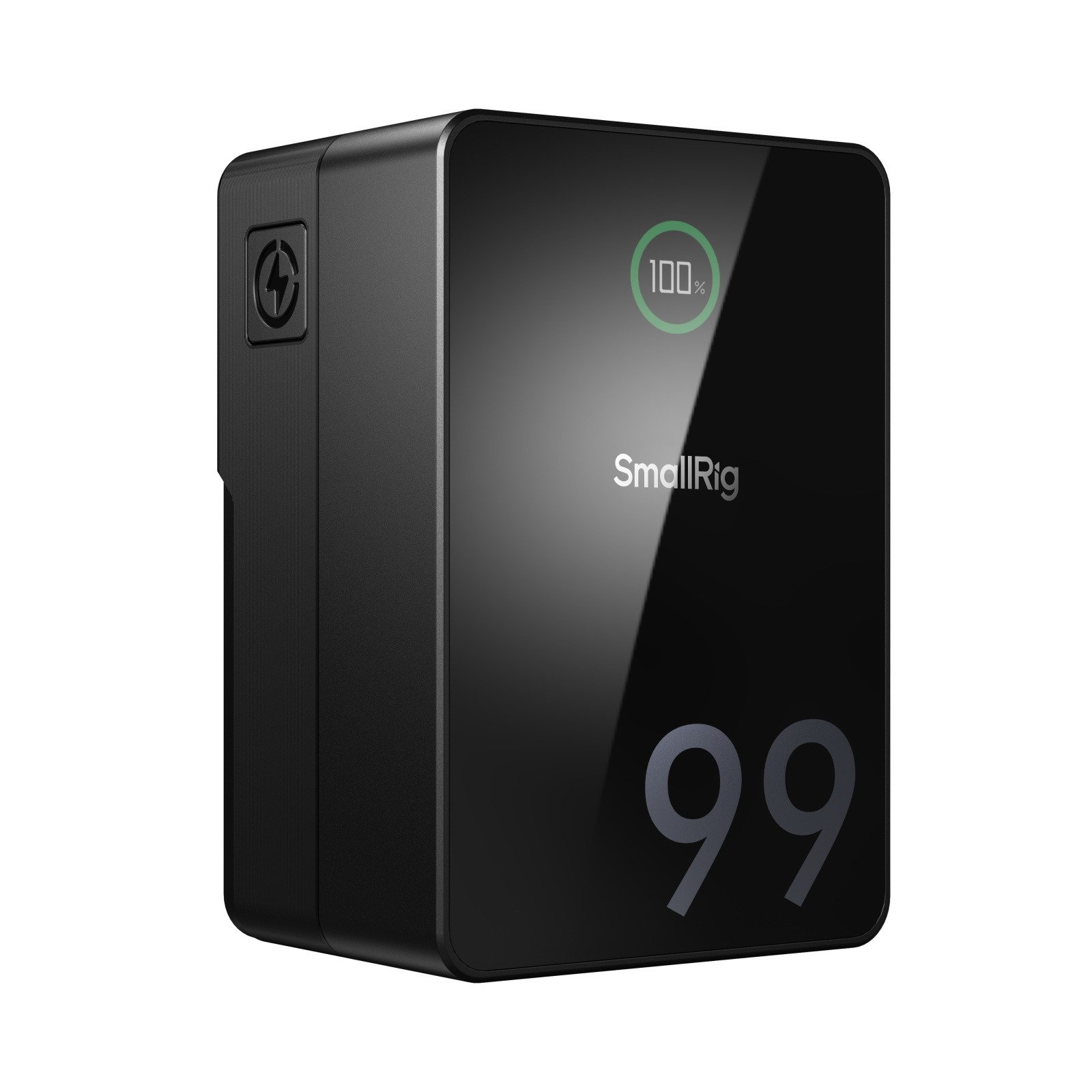
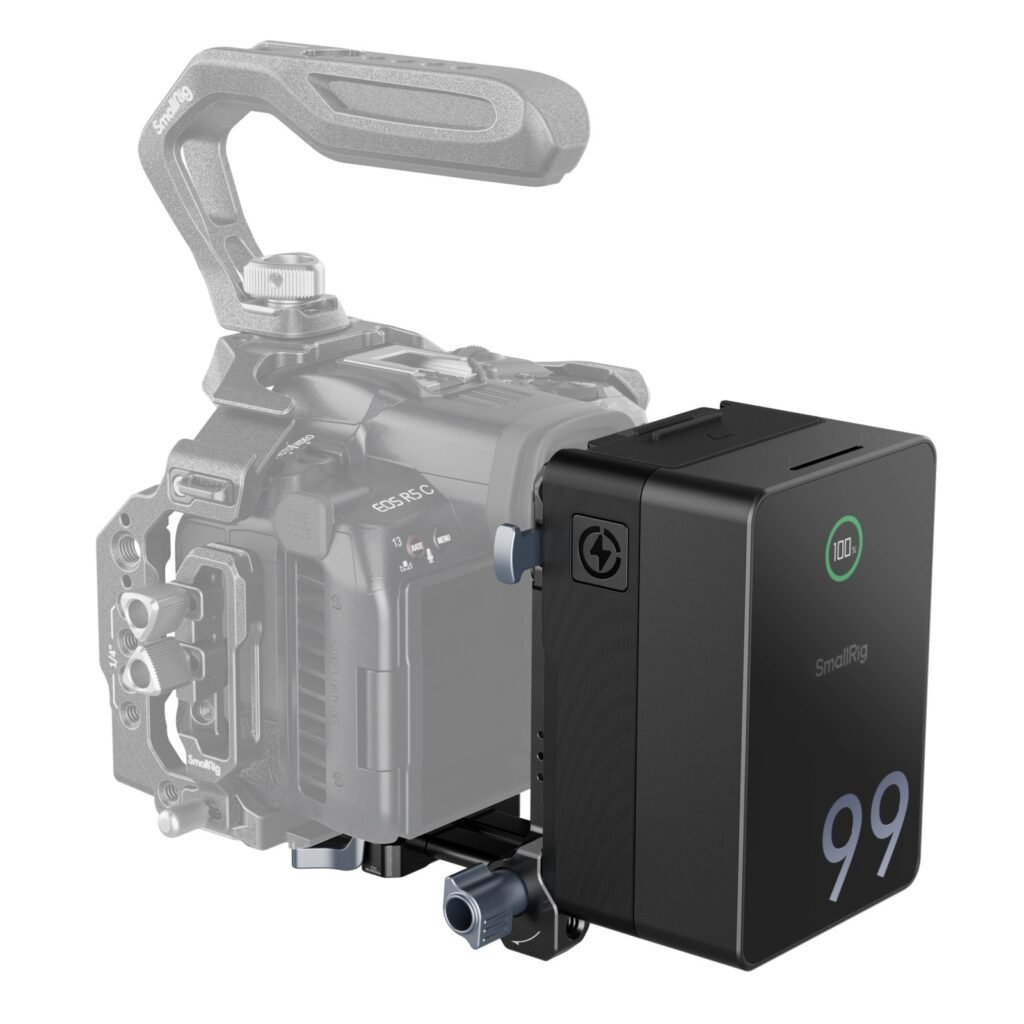
The housing protecting your battery cells determines whether your power source survives the realities of location shooting. Premium V-Mount batteries feature metal enclosures—typically aluminum alloy—that absorb impact energy without cracking, unlike cheaper plastic housings that fracture when dropped on concrete or struck by equipment in a crowded camera truck. Examine corner and edge reinforcement; batteries designed for professional use incorporate protective bumpers at impact zones. For outdoor work, IP rating becomes critical: an IP54 rating provides dust protection and splash resistance adequate for most documentary conditions, while IP65-rated batteries withstand dust storms and heavy rain, essential for expedition cinematography or marine environments. Environmental sealing isn’t just about moisture—it prevents conductive dust from bridging terminals and maintains internal temperature regulation that protects cells during extreme weather. Quality construction reveals itself in details: reinforced D-Tap ports that won’t loosen after hundreds of connections, recessed LCD screens protected from scratches, and secure mounting plates that eliminate wobble on your camera’s V-Mount dock. Manufacturers like SmallRig have responded to these durability demands by engineering batteries with reinforced housings and robust connection points that withstand the rigors of professional production environments. A well-built battery justifies its premium through years of reliable service, while a fragile unit becomes a liability after its first challenging shoot.
Advanced Features in Modern Professional Batteries
Today’s professional V-Mount batteries have evolved beyond simple power storage into intelligent workflow tools that solve persistent on-set challenges. Built-in USB ports—particularly USB-C Power Delivery capable of 45-100 watts—eliminate the need for separate adapters when charging laptops, phones, or tablets between takes, consolidating your power ecosystem into a single battery that serves both camera and personal devices. This becomes invaluable during remote location work where AC outlets are scarce or nonexistent. Bluetooth connectivity paired with smartphone apps allows you to monitor battery status remotely: check remaining capacity, voltage, temperature, and even locate a misplaced battery in a crowded equipment truck without physically accessing the unit. Advanced onboard displays go beyond simple LED indicators, showing real-time current draw in Amps, precise voltage output, internal cell temperature, and cycle count—data that helps you predict when a battery approaches end-of-life before it fails during production. Some premium models incorporate intelligent power allocation, automatically prioritizing camera power while managing accessory draw to prevent sudden shutdowns. Temperature monitoring with automatic output reduction protects cells during extreme heat, extending lifespan while maintaining safety. These features transform power management from reactive to proactive: instead of discovering a depleted battery when you mount it, you know its exact status before it leaves the charging station, enabling informed decisions about which batteries to deploy for specific scenes and when to rotate them out.
Power Your Creative Vision with Confidence
Choosing a V-Mount battery is far more than grabbing the highest mAh rating off a shelf—it’s a strategic decision that directly impacts your ability to capture critical moments without interruption. Performance emerges from the intersection of electrical specifications like voltage stability and discharge capacity, physical durability that withstands the chaos of location work, and intelligent features that transform power management from guesswork into precision workflow control. The filmmakers who invest time understanding their actual power consumption, matching battery capacity to shooting style, and maintaining their power sources through proper charging and storage practices gain an invisible advantage: the confidence to focus entirely on storytelling rather than anxiously watching battery indicators. As camera systems grow more power-hungry and production schedules more demanding, robust power solutions become not just technical necessities but creative enablers. A reliable V-Mount battery frees you to pursue ambitious shots in challenging environments, knowing your rig won’t fail when inspiration strikes. Understanding these performance fundamentals empowers you to build a power ecosystem that supports fearless cinematography—because the best shot you’ll ever capture is worthless if your battery dies before you press record.