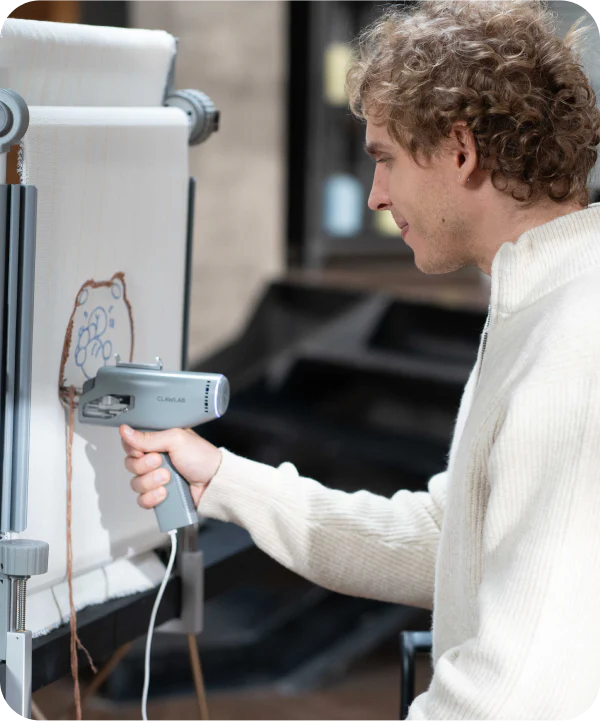
Picture this: You’ve just started a beautiful tufting project, your creative vision clear and your excitement high. Two hours later, that enthusiasm has dissolved into a throbbing ache radiating from your fingers through your wrist and up your forearm. Your grip weakens, your precision falters, and what should be a joyful creative outlet has become an endurance test. This scenario is all too familiar for tufting enthusiasts who battle hand fatigue, a persistent problem that cuts crafting sessions short and dims the passion for the art form.
Hand fatigue isn’t just an inconvenience—it’s a genuine barrier that limits how long you can create and, over time, may even discourage you from picking up your tufting gun altogether. The culprit often lies in the relentless vibration and constant high-speed operation of traditional, single-speed tools that force your muscles into prolonged tension.
The solution, however, is elegantly simple: tufting guns are specifically engineered to combat this debilitating discomfort. By giving crafters control over their tool’s pace, these modern innovations dramatically reduce vibration, allow for a customizable working rhythm, and enhance precision across different materials and techniques. The result is a transformed tufting experience where comfort and control work hand in hand, letting you focus on your creativity rather than counting down the minutes until your next break.
The Anatomy of Hand Fatigue in Traditional Tufting
Hand fatigue in tufting manifests as a constellation of physical discomforts that extend far beyond simple tiredness. It begins with muscle strain as your fingers, hand, and forearm muscles work continuously to maintain a firm grip on the tool. This static tension compounds with joint stress, particularly at the wrist and knuckles, where repetitive motion and sustained awkward angles create inflammation and stiffness. Perhaps most insidious is vibration-induced discomfort, a condition that can progress into Hand-Arm Vibration Syndrome (HAVS), commonly known as “white finger,” where prolonged exposure to tool vibration damages nerves and blood vessels.
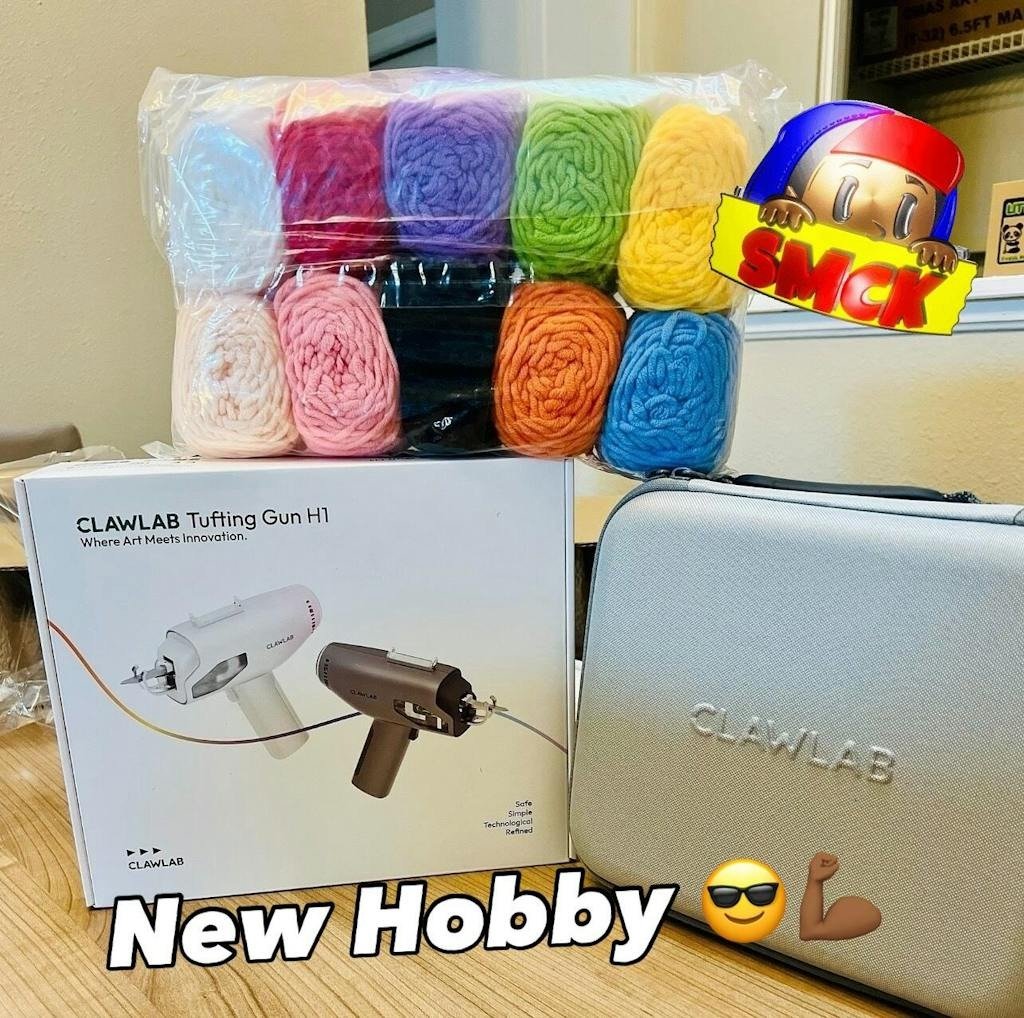
Traditional single-speed tufting guns amplify these problems by design. Operating at a fixed, often high speed regardless of the task at hand, these tools generate relentless vibration that transfers directly through the handle into your palm and up through your arm. The motor runs at maximum capacity whether you’re filling a large background or navigating a delicate curve, forcing you to maintain a tight, unyielding grip to control the tool’s aggressive behavior. There’s no respite, no ability to dial back the intensity when precision matters more than speed, leaving your muscles locked in continuous contraction.
The consequences accumulate quickly. Within an hour, you might notice a dull ache spreading through your hand. By the second hour, your wrist throbs and your fingers feel stiff and clumsy. Precision deteriorates as fatigued muscles lose fine motor control, leading to mistakes that require time-consuming corrections. Crafting sessions that should last three or four productive hours are cut short after ninety minutes, leaving projects incomplete and enthusiasm dampened. For dedicated crafters, this pattern creates a genuine risk of developing chronic repetitive strain injuries that can sideline you from your beloved hobby indefinitely. When your tufting gun becomes an instrument of discomfort rather than creativity, every project becomes a race against your body’s limits.
How Adjustable Speed Transforms the Tufting Experience
Adjustable speed represents a fundamental shift in tufting gun design, transforming these tools from blunt instruments into precision instruments that respond to your needs. Rather than forcing you to adapt to the tool’s relentless pace, modern adjustable speed guns allow the tool to adapt to you, your material, and your specific task. This ergonomic innovation addresses hand fatigue at its source by giving you command over the intensity and rhythm of your work.
Precision Control for Different Materials and Techniques
The ability to dial down speed becomes essential when navigating intricate curves, lettering, or detailed patterns where a single misplaced tuft ruins the design. Lower speeds give you the milliseconds you need to position each punch deliberately, working methodically through challenging sections without the gun pulling ahead of your intention. This measured pace is equally valuable when working with delicate or stretchy fabrics that can distort under aggressive, high-speed punching, or with fine specialty yarns that require gentler handling. Conversely, when filling large uniform backgrounds or working with sturdy monk’s cloth and thick yarns, cranking the speed higher lets you cover ground efficiently without sacrificing the control that prevents fatigue—you’re working faster, but you’re not fighting the tool.
The Direct Link Between Speed and Vibration
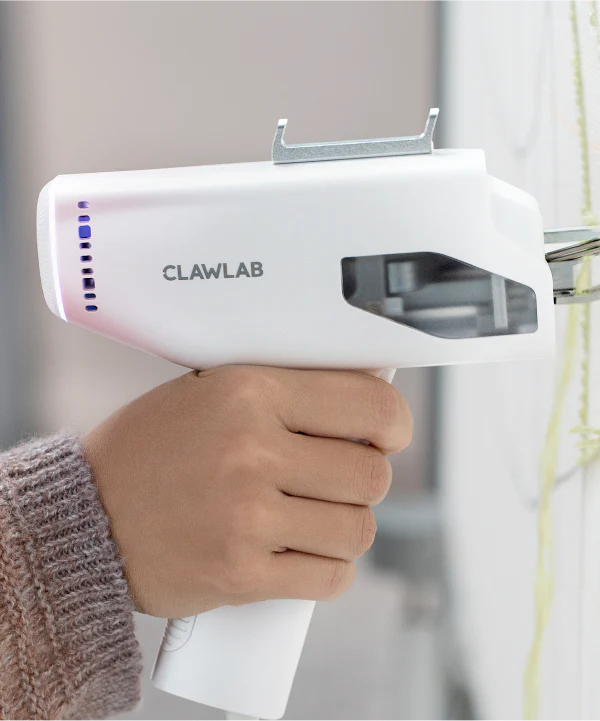
The physics are straightforward: a motor spinning at lower RPM generates substantially less vibration than one running at maximum capacity. When you reduce your tufting gun’s speed by even thirty or forty percent, the difference in vibration intensity is immediately palpable in your palm. That harsh, numbing buzz that radiates up your arm softens into a manageable hum. The constant micro-shocks that keep your muscles tensed and reactive diminish, allowing your grip to relax from a white-knuckle clench to a natural, controlled hold. This is the essence of vibration reduction in practice—not through expensive dampening systems or complex engineering, but through the simple, elegant solution of running the motor only as fast as your current task demands. Over a three-hour tufting session, this reduction in transmitted vibration translates directly into dramatically less muscle fatigue, reduced joint stress, and hands that still feel capable and comfortable when you finally set the gun down. The adjustable speed dial becomes your primary defense against the cumulative damage of prolonged vibration exposure.
Ergonomic Design: More Than Just a Dial
While adjustable speed stands as the cornerstone feature for fatigue prevention, it functions most effectively as part of a comprehensive ergonomic system. The best tufting guns integrate speed control with thoughtful design elements that work synergistically to minimize physical strain and maximize comfort throughout extended crafting sessions.
Balanced Weight and One-Handed Tufting Operation
A well-engineered tufting gun distributes its weight evenly from handle to nose, eliminating the front-heavy imbalance that forces your wrist into constant compensatory flexion. When weight is properly balanced, the tool feels like a natural extension of your arm rather than a burden you’re perpetually correcting. This equilibrium directly complements adjustable speed control—when you’re not fighting against awkward weight distribution, you can maintain a lighter, more relaxed grip even at higher speeds. Equally important is one-handed operation capability, where the gun’s stability and balance allow you to guide and control it confidently with a single hand while your other hand remains free to smooth fabric, adjust your frame, or guide yarn. This division of labor prevents the double-grip death clutch that accelerates bilateral hand fatigue and gives you the flexibility to shift hands when one tires.
Grip Comfort and Trigger Design
The interface between your hand and the tool matters profoundly. Soft-touch, contoured grips molded to fit the natural curve of your palm provide a secondary layer of vibration dampening beyond what speed reduction alone offers, cushioning your hand against residual motor buzz. These ergonomic grips also prevent pressure points that develop when hard plastic digs into your palm during prolonged use. The trigger mechanism itself deserves equal attention—a responsive, smooth trigger that activates with minimal pressure and holds without requiring constant forceful squeeze reduces finger fatigue dramatically. When your index finger can rest naturally rather than strain continuously, the cumulative relief over a three-hour session is substantial.
Practical Guide: Choosing and Using Your Adjustable Speed Tufting Gun
Understanding the benefits of adjustable speed is only half the equation—translating that knowledge into smart purchasing decisions and effective technique completes the transformation from frustrated crafter to comfortable, confident tuft artist.
Key Features to Look For When Buying
When evaluating tufting guns, prioritize a speed range that spans from genuinely slow (around 1,000-1,500 loops per minute) to efficiently fast (3,500-4,000 loops per minute), giving you true versatility across techniques. Examine the grip design closely—it should feel substantial in your palm with soft-touch materials that cushion rather than transmit vibration. Consider the gun’s overall weight, aiming for models under four pounds that won’t drag your arm down during extended sessions. Build quality matters tremendously; a solidly constructed motor housing and durable speed control mechanism will maintain consistent performance without developing the rattles and wobbles that increase vibration over time. Don’t overlook noise level, which correlates with vibration—quieter guns at equivalent speeds typically indicate better internal dampening and smoother operation. Manufacturers like Clawlab have designed their adjustable speed models with these ergonomic principles in mind, incorporating features that address the full spectrum of hand fatigue factors. Most importantly, seek out detailed user reviews that specifically mention comfort during multi-hour sessions and long-term durability, as these real-world experiences reveal far more than manufacturer specifications ever will.
Optimizing Your Technique to Maximize Comfort
Begin every tufting session at a lower speed setting for the first ten to fifteen minutes, allowing your hands and forearms to warm up gradually rather than shocking cold muscles with intense vibration immediately. As you settle into your work, consciously match your speed to your current task—drop to thirty or forty percent capacity when outlining intricate shapes or switching yarn colors, then increase to seventy or eighty percent for filling large background sections where speed matters more than pinpoint accuracy. Every forty-five minutes, set the gun down completely and perform simple hand stretches: extend your fingers wide and hold for ten seconds, make gentle fists and release, rotate your wrists in slow circles, and shake out your arms to restore circulation. Pay attention to your posture throughout—position your work frame at a height that keeps your wrists neutral rather than bent, and avoid hunching forward, which transfers tension from your hands up through your shoulders. Experiment deliberately with different grip styles over several sessions; some crafters find a pencil-like grip with fingers closer to the nose reduces fatigue, while others prefer a fuller palm wrap lower on the handle. The optimal grip is the one that feels secure without requiring constant muscular tension, and finding it is worth the experimentation time. These combined practices transform adjustable speed from a passive feature into an active strategy for sustainable, comfortable tufting that can extend your creative sessions from exhausting sprints into enjoyable marathons.
Invest in Comfort and Creative Longevity
Adjustable speed in tufting guns is far more than a convenient feature—it’s a critical ergonomic innovation that directly addresses the root cause of hand fatigue. By granting you control over motor speed, these tools fundamentally reduce the vibration that damages nerves and exhausts muscles, while simultaneously allowing you to match your tool’s intensity to each specific task. This dual benefit transforms tufting from a physically punishing activity into a sustainable, comfortable craft.
The advantages extend well beyond immediate comfort. With adjustable speed, your crafting sessions can stretch from frustrating ninety-minute sprints into satisfying three- or four-hour creative marathons. Your precision improves as relaxed, fatigue-free hands maintain the fine motor control that intricate designs demand. Most importantly, you protect yourself against the cumulative damage of repetitive strain injuries that can permanently sideline passionate crafters from the art they love.
When you invest in a tufting gun with adjustable speed and thoughtful ergonomic design, you’re not simply buying a tool—you’re investing in your creative longevity and your physical well-being. You’re choosing to prioritize sustainable crafting over short-term compromises, ensuring that your passion for tufting can flourish for years without being constrained by pain or limitation. Let your focus remain where it belongs: on bringing your artistic vision to life, one comfortable, controlled tuft at a time.