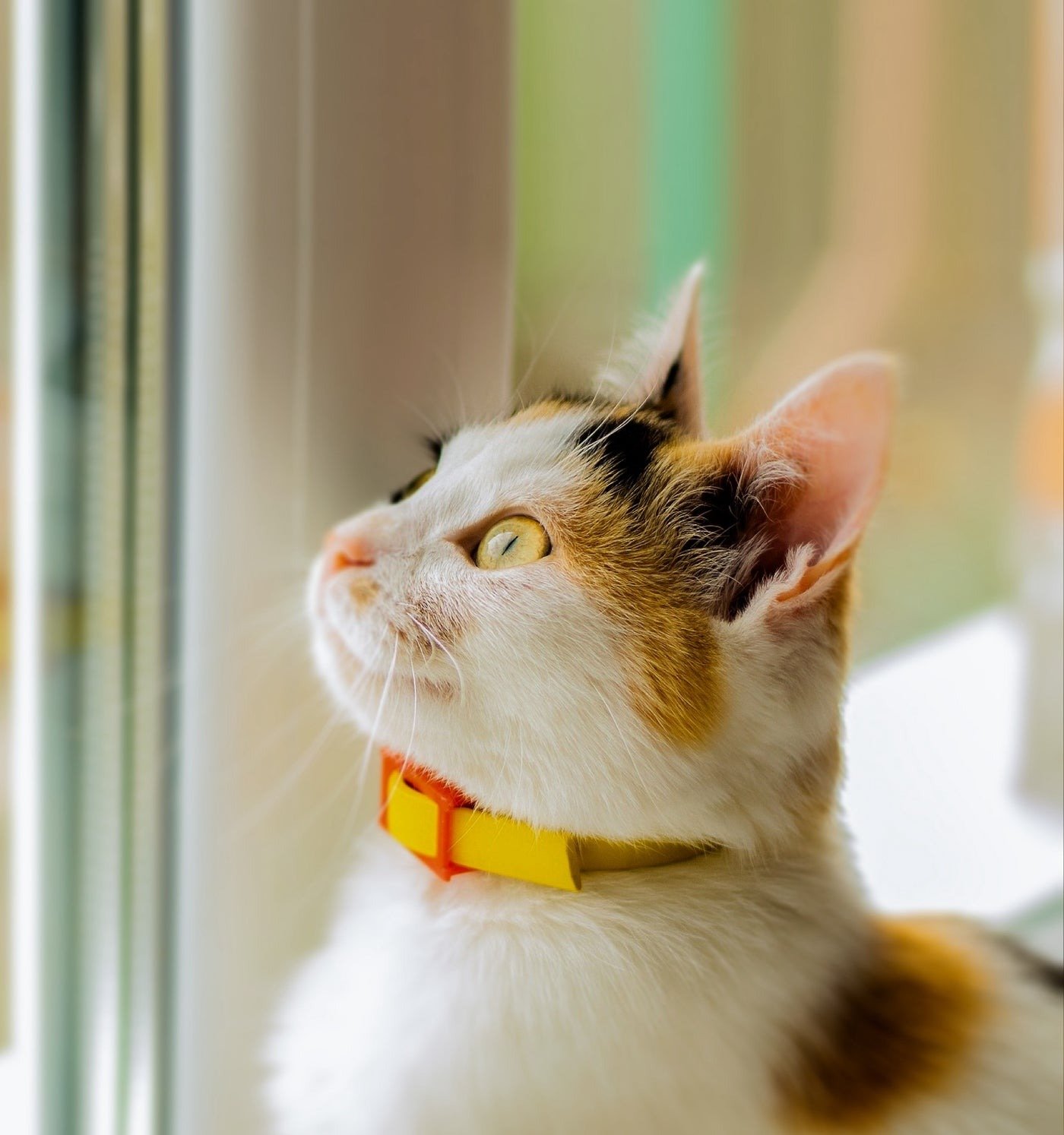
You let your cat out for their usual afternoon stroll, and when dinnertime comes, they don’t return. Minutes stretch into hours, and that quiet worry turns into full-blown panic. If you’ve ever experienced this, you know exactly how helpless it feels to search the neighborhood calling a name that gets no response.
Cats are natural wanderers. Their curiosity and independence are part of what makes them so captivating, but those same traits can lead them far from home. Whether your cat slips through a gap in the fence, follows a bird too far, or simply gets disoriented, the result is the same: a stressed pet owner with no way to find them quickly.
GPS trackers have changed that reality entirely. These compact devices give pet owners something they’ve never had before — the ability to know exactly where their cat is at any moment. From real-time location updates to instant alerts when a cat strays too far, modern GPS solutions bring genuine peace of mind to everyday pet ownership. This article explores how these devices work, which features matter most, and how to choose and use the right tracker to keep your cat safe.
Understanding GPS Trackers for Cats: The Basics
A GPS tracker for cat owners is a compact, wearable device that attaches to your cat’s collar and transmits their location to your smartphone in real time. Unlike microchips — which only help identify a lost cat after someone finds them — GPS trackers actively show you where your cat is right now. That distinction is enormous when every minute counts during a disappearance.
How GPS Technology Works for Pet Safety
The technology behind these devices combines two systems working in tandem. First, GPS satellites orbiting the Earth send signals to the tracker, which uses triangulation — calculating the time delay between multiple satellite signals — to pinpoint the device’s exact coordinates. That location data then needs a way to reach your phone, which is where cellular networks come in. Most cat trackers contain a built-in SIM card that transmits location updates over mobile data, much like your smartphone does. Some premium models also incorporate Bluetooth or Wi-Fi for more precise indoor positioning when cellular signals are weaker.
Battery life is one of the most practical considerations for active cats. A tracker that dies after six hours offers little protection for a cat who spends full days outdoors. Most quality devices offer anywhere from 24 hours to several days of battery life depending on how frequently they update location. Weight and size matter equally — a bulky tracker causes discomfort and may discourage cats from wearing their collar at all. The best options weigh under 35 grams and sit flush against the collar without dangling.
For pet owners, the core benefit is straightforward: instead of wandering the neighborhood shaking a treat bag, you open an app and see your cat’s exact position on a map. Studies on lost pet recovery consistently show that faster response times dramatically improve reunion rates. A GPS tracker compresses what might be a days-long search into a matter of minutes, delivering the kind of reliable, immediate information that transforms pet ownership from anxious guesswork into genuine confidence.
Essential Features of a Cat GPS Tracker
Not all GPS trackers are created equal, and understanding which features genuinely matter can save you from buying a device that frustrates more than it helps. The best cat trackers share a core set of capabilities that work together to give pet owners reliable, actionable information — not just raw location data. When evaluating any tracker, focus on how well it handles geo-fencing, live tracking, escape alerts, and mobile app usability, since these four elements determine whether the device actually delivers peace of mind in real-world conditions.
Geo-Fence: Creating Virtual Safe Zones
Geo-fencing lets you draw a custom boundary on a digital map — your backyard, your block, or an entire neighborhood — and receive an alert the moment your cat crosses it. Setting one up is straightforward: within the app, you define the boundary shape and radius, name the zone, and activate it. From that point on, the tracker monitors your cat’s position relative to that boundary continuously. A cat who regularly explores your garden but never ventures past the fence line gives you a clear baseline. If they suddenly appear three streets away, you know immediately rather than discovering it hours later. Multiple zones are possible with most devices, which is useful for cats who split time between two homes or frequently visit a neighbor’s yard.
Real-Time Pet Tracking and Location Updates
Live tracking is the backbone of any reliable pet GPS system. The best devices update location every few seconds during active tracking mode, displaying your cat’s movement as a smooth, continuous path on a map rather than a series of disconnected dots. This accuracy matters enormously when you’re actively searching — knowing your cat is moving northeast along a fence line tells you exactly where to go. Beyond live tracking, historical location data adds another layer of insight. Reviewing where your cat spent the past 24 hours reveals patterns you’d never notice otherwise: a gap in the neighbor’s hedge they squeeze through regularly, or a drainage ditch they investigate every afternoon. That knowledge lets you address escape routes before they become emergencies.
Instant Escape Alerts for Quick Response
Speed is everything when a cat breaches their safe zone. Escape alerts push a notification to your phone within seconds of your cat crossing a geo-fence boundary, giving you the opportunity to act before they travel far. The best systems deliver these alerts via app notification and SMS simultaneously, ensuring you receive them even if your phone’s app isn’t actively open. When you’re at work or running errands, that immediate notification transforms a potential hours-long disappearance into a quick retrieval. The psychological benefit is equally significant — knowing you’ll be notified the instant something goes wrong lets you relax during normal hours instead of periodically wondering whether your cat is still nearby.
User-Friendly Mobile App Integration
The tracker hardware is only as useful as the app controlling it. A well-designed mobile app presents your cat’s location on a clear map interface, shows battery level at a glance, and lets you adjust geo-fence boundaries or alert sensitivity without digging through menus. Look for apps that work on both iOS and Android, load quickly, and display location without significant lag. Features like activity monitoring — tracking how much your cat moved throughout the day — add useful context beyond simple location data. Devices such as the DBDD GPS Tracker are often noted for pairing reliable hardware with an intuitive app experience, which is the combination that makes daily use feel effortless rather than burdensome. Before committing to any tracker, read recent user reviews specifically about the app experience, since hardware can be excellent while the accompanying software undermines it entirely. A tracker you can check confidently in thirty seconds, from anywhere, is the one that genuinely earns its place on your cat’s collar.
Choosing and Using Your Cat’s GPS Tracker: A Step-by-Step Guide
Selecting the right GPS tracker comes down to matching the device’s strengths to your cat’s specific habits and your own monitoring needs. A tracker that works brilliantly for a suburban cat with a large yard may be overkill — or underpowered — for a city cat with limited outdoor access. Walking through selection, setup, and daily use as a deliberate process ensures you end up with a device that genuinely protects your pet rather than one that collects dust after the first frustrating week.
Step 1: Assess Your Cat’s Needs and Lifestyle
Start by observing how your cat actually spends their outdoor time. A cat who roams for hours across several properties needs a tracker with longer battery life — ideally 48 hours or more — and strong cellular coverage. A cat who stays mostly in your garden might be well-served by a lighter device with frequent short-range updates. Weight is non-negotiable: the tracker should be no more than 10% of your cat’s body weight, and anything over 35 grams becomes uncomfortable for most cats. Check your cat’s current collar for attachment compatibility, since some trackers clip directly to standard collars while others require specific collar widths or dedicated collar attachments.
Step 2: Compare Models Based on Key Features
Once you know what your cat needs, evaluate trackers against four criteria: geo-fence reliability, alert speed, app quality, and subscription structure. Most GPS trackers require a monthly or annual cellular subscription to transmit location data — factor this into your total cost assessment. Check whether the service covers your region thoroughly, since coverage gaps make even excellent hardware useless. Read app store reviews from the past three months specifically, filtering for complaints about connection drops or delayed alerts. Waterproofing ratings matter too; a tracker rated IPX5 or higher handles rain and puddles without issue, which is essential for cats who don’t check the weather forecast before heading out.
Step 3: Set Up and Use the Tracker Effectively
Setup follows a consistent sequence regardless of brand. Charge the tracker fully before first use — most reach full charge in two to three hours. Download the companion app, create your account, and follow the in-app pairing instructions to sync the tracker to your profile. Attach the device to your cat’s collar snugly but with two fingers of slack, ensuring it sits on the side rather than underneath where it might press against the throat. Once attached, set your primary geo-fence boundary immediately, naming it something clear like “Home Zone.” Test the escape alert by carrying the tracker beyond your defined boundary yourself — confirm the notification arrives within 30 seconds. After that, check battery level daily through the app and recharge before it drops below 20% to avoid gaps in coverage. Every few weeks, review your cat’s historical location data to identify new patterns or escape routes worth addressing. Options like the DBDD GPS Tracker make this routine straightforward, with clear battery indicators and an easy-to-navigate history view built directly into the app.
Keeping Your Cat Safe with the Right GPS Tracker
A missing cat is one of the most stressful experiences a pet owner can face, but it no longer has to mean hours of helpless searching. GPS trackers have fundamentally changed what’s possible — giving you real-time location data, instant escape alerts, and geo-fence boundaries that keep you informed the moment something changes. When these features work together through a well-designed mobile app, the result is genuine, reliable peace of mind rather than the constant background worry that comes with letting a curious cat roam freely.
The right tracker for your cat exists at the intersection of their lifestyle and your monitoring habits. By assessing your cat’s outdoor patterns, comparing models on the features that actually matter, and taking the time to set up geo-fences and test alerts properly, you end up with a system that works quietly in the background — until the moment you need it most. That moment is exactly when it earns its value. Take the step of choosing a tracker today, and give both yourself and your cat the freedom that comes with knowing help is always just a glance at your phone away.