Relationships are among life’s greatest sources of joy, yet they’re also profoundly challenging. Two unique individuals with different backgrounds, values, communication styles, and emotional needs must somehow build a life together. Misunderstandings compound. Resentments accumulate. Communication breaks down. What once felt like effortless connection becomes strained, tense, and sometimes unbearable.
For many couples, the solution involves therapy or counseling—but access is limited, costs are high, and waiting periods are long. In the meantime, relationships deteriorate. Partners hurt each other, misunderstand intentions, and spiral into conflict patterns that damage the relationship further.
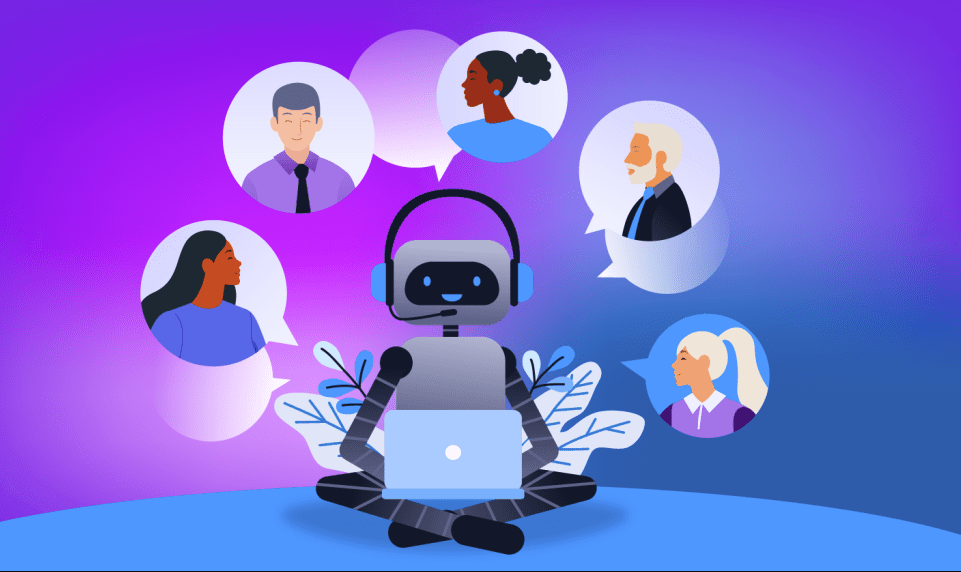
This is where modern technology offers unexpected help. Artificial intelligence trained on relationship psychology, communication research, and thousands of partnership dynamics can now provide personalized relationship advice when couples need it most—during the conflict, the misunderstanding, the moment of disconnection.
A Relationship Advisor powered by advanced AI combines relationship psychology, communication expertise, and understanding of human dynamics to provide personalized guidance that helps couples navigate conflicts and strengthen partnerships.
Understanding the Communication Crisis in Modern Relationships
Modern relationships face unprecedented challenges. Increased work stress, financial pressures, social media comparison, busy schedules, and geographic mobility all strain partnerships. Yet communication tools—our fundamental method for resolving differences and expressing needs—remain largely unchanged from how humans communicated decades ago.
Why Communication Breaks Down
Misattribution of Intent
When partners hear words, they interpret them through their own emotional lens. “You never listen to me” gets heard as personal criticism rather than expression of longing for connection. “I need space” gets interpreted as rejection rather than self-care. The same words convey completely different meanings depending on interpretation.
Different Communication Styles
Humans communicate differently based on gender socialization, family background, personality type, and emotional history. Expressive communicators married to reserved communicators struggle to understand each other. Conflict-avoiders married to direct confronters trigger each other’s core wounds. Without understanding these differences, couples attribute miscommunication to lack of love or caring.
Unmet Expectations
Partners often have unstated expectations about how relationships should work. One expects regular date nights; the other assumes active dating ends after commitment. One expects daily emotional check-ins; the other assumes comfort in quiet companionship. These unstated expectations inevitably lead to disappointment and blame.
Accumulated Resentment
Small unaddressed issues accumulate into mountains of resentment. Partner forgets to do the dishes repeatedly—small issue initially. But if unaddressed, it becomes evidence of not caring, disrespect, and fundamental incompatibility. By the time the issue is addressed, resentment has grown so large that addressing the dishes feels pointless.
Conflict Avoidance
Many people fear conflict intensely. Rather than addressing issues, they suppress feelings, withdraw, or accommodate endlessly. This temporary peace comes at the cost of genuine connection and unmet needs. Partners sense the suppression and distance grows.
Reactive Defensiveness
When one partner raises a concern, the other immediately becomes defensive rather than curious. “You spend too much time with friends” triggers “Well, you spend too much time at work” rather than exploration of what’s driving the concern. Defensive cycles prevent genuine understanding.
See also: Enhancing Automotive Business Operations for Financial Efficiency
How Relationship Problems Escalate
Understanding escalation patterns helps explain why professional intervention becomes necessary.
The Four Horsemen of Relationship Apocalypse
Relationship researcher John Gottman identified communication patterns that reliably predict relationship dissolution:
Criticism Moving from complaint (“I feel hurt when you’re late”) to character attack (“You’re selfish and inconsiderate”). Criticism goes for the person rather than addressing the behavior.
Contempt Communicating disgust, mockery, or superiority. Rolling eyes, sarcasm, insults—these convey that the partner is fundamentally inadequate. Contempt is the strongest predictor of divorce.
Defensiveness Rather than taking responsibility for impact, defending against perceived attack. “That’s not what I meant” rather than “I hear you felt hurt and I’m sorry.”
Stonewalling Complete withdrawal and refusal to engage. Silent treatment, refusing to discuss issues, shutting down conversation. This prevents any possibility of resolution.
Once these patterns establish, relationships deteriorate rapidly. Yet most couples don’t recognize these patterns in their own communication until significant damage has occurred.
The Role of Professional Relationship Support
Therapy and counseling have long been the go-to for relationship problems. Yet significant barriers limit access:
Cost Quality therapy is expensive—often $100-250 per session. Couples therapy typically requires weekly sessions, creating substantial financial burden for many couples.
Availability Therapist availability is limited. Initial appointments often require months of waiting. During this wait, relationship deterioration accelerates.
Access Barriers Geographic location, work schedules, childcare requirements, and transportation limitations prevent many couples from accessing therapy.
Stigma Despite increasing acceptance, some couples still experience stigma about seeking professional help. The perception of needing help can feel like relationship failure.
Therapeutic Relationship Development Building trust with a therapist takes time. Early therapy sessions often involve gathering history rather than addressing immediate problems. Couples in acute crisis need immediate help.
These barriers mean many couples who need support never receive it. By the time they access therapy, significant damage has occurred. AI relationship advice helps fill these gaps.
How AI Relationship Advice Works
Modern AI relationship advisors combine multiple approaches:
Understanding Your Specific Situation
Unlike generic relationship advice, AI advisors learn your specific circumstances:
- How long you’ve been together
- What triggered current conflict
- Your communication patterns
- Each partner’s emotional history
- Values and priorities
- Previous attempts to address the issue
This contextual understanding allows advice tailored to your actual situation rather than generic prescriptions.
Emotional Intelligence Processing
Advanced AI systems recognize emotional subtext beyond literal words:
- What emotions underlie stated concerns
- Which wounds from past relationships influence current conflict
- What each partner truly needs (often different from what they ask for)
- Where defensiveness masks hurt or fear
- When conflict indicates deeper incompatibility versus communication breakdown
This emotional understanding helps partners see each other’s underlying humanity rather than attributing negative motivations.
Communication Coaching
AI advisors coach couples in effective communication:
From Criticism to Complaint Transforming “You’re selfish and never think about anyone but yourself” into “I feel unimportant when we spend weekends doing what you want without considering my preferences. I need to feel that my desires matter too.”
The second version expresses the same frustration but invites partnership problem-solving rather than defensiveness.
From Defensiveness to Curiosity Instead of defending when a partner raises concerns, curious exploration prevents defensiveness spirals.
Partner: “You seem distant lately.” Defensive: “I’m not distant, you’re just clingy.” Curious: “I notice you’re sensing distance. Help me understand what you’re experiencing. What makes it feel that way?”
From Stonewalling to Engagement When conflict feels overwhelming, continuing conversation feels impossible. AI advisors help couples take breaks, return to discussion, and stay engaged despite difficulty.
Perspective Shifting
One of the most valuable aspects of relationship support is helping each partner genuinely understand the other’s perspective:
- Why your partner gets defensive isn’t malice—it’s often fear or old wounds
- Why your partner withdraws isn’t rejection—it’s often overwhelm
- Why your partner prioritizes work isn’t lack of love—it’s often anxiety about financial security
- Why your partner expresses needs repeatedly isn’t nagging—it’s often desperate hope for change
Understanding partners deeply transforms how you interpret their behavior. The same action that feels rejecting when attributed to malice feels understandable when you recognize its source.
Identifying Patterns and Solutions
AI systems help couples recognize recurring patterns and develop solutions:
Pattern Identification
- “Every time you mention your ex, I become defensive and withdraw”
- “Whenever money gets tight, I become anxious and controlling”
- “When you’re stressed at work, you’re short with me and I interpret it as anger at me”
Pattern Breaking Once patterns are recognized, solutions become possible:
- “When I mention my ex, I’ll clarify that it’s about processing the past, not about our relationship”
- “When money stresses me, I’ll communicate that it’s financial anxiety, not dissatisfaction with you”
- “When I’m short due to work stress, I’ll give you a heads up so you don’t personalize it”
Different Relationship Challenges AI Addresses
Early Relationship Issues
New couples often face:
- Defining the relationship and expectations
- Balancing independence with closeness
- Sexual compatibility and communication
- Meeting each other’s family and integrating lives
- Managing early conflict without breaking the relationship
AI advisors help new couples establish healthy patterns before problems become entrenched.
Long-Term Relationship Challenges
Long-term couples often struggle with:
- Loss of passion and novelty
- Maintaining individuality within partnership
- Managing life transitions (children, career changes, aging parents)
- Fair division of household and emotional labor
- Maintaining affection and intimacy
AI advisors help long-term couples remember why they chose each other while adapting to changing circumstances.
High-Conflict Relationships
Some couples communicate primarily through conflict:
- Frequent arguments about many issues
- Difficulty discussing anything without escalation
- Blame and criticism as primary interaction
- Cycle of conflict and brief reconciliation
AI advisors help high-conflict couples develop alternative patterns and understand what’s driving the conflict.
Emotionally Disconnected Relationships
Some couples coexist without genuine connection:
- Parallel lives with minimal interaction
- Absence of conflict but also absence of closeness
- Emotional distance despite physical proximity
- Wondering if the relationship is still worth continuing
AI advisors help reconnected couples restore emotional intimacy.
Infidelity and Trust Breaches
Relationships affected by infidelity or other trust breaches need:
- Processing betrayal trauma
- Understanding what drove the breach
- Rebuilding trust and security
- Deciding whether to continue or separate
AI advisors support couples through this devastating situation with compassion for both partners’ experiences.
Advantages of AI Over Traditional Therapy
Immediate Availability
During 2 a.m. conflict, therapy isn’t available. AI advisors are present immediately for that crucial moment when couples are hurting and communicating destructively.
Non-Judgmental Support
Therapists are professionals, but humans. Couples sometimes hold back, fearing judgment. AI advisors offer complete non-judgment, allowing fuller self-expression.
Consistency
Therapists have good days and bad days. Therapists’ own emotional states affect sessions. AI advisors provide completely consistent support, always fully present and engaged.
Affordability
A single therapy session might cost $150-250. AI relationship advice might cost a fraction of that or be subscription-based, making ongoing support financially feasible for more couples.
Convenience
No scheduling appointments, traveling to offices, or finding childcare. Advice is accessible wherever couples are, whenever they need it.
Limitations and When Professional Therapy Remains Essential
AI relationship advice is powerful but not unlimited. Professional therapy remains necessary for:
Severe Mental Health Issues If either partner experiences depression, anxiety, trauma, or other mental health challenges, professional mental health care is essential. AI can support but not replace professional treatment.
Domestic Violence or Abuse Relationships involving abuse require professional intervention, safety planning, and potentially legal involvement. AI cannot adequately address abusive dynamics.
Significant Incompatibility Sometimes couples genuinely have incompatible needs or values. Professional therapists can help couples decide whether to work toward compromise or separate gracefully.
Complex Trauma Partners with significant past trauma often need professional trauma-informed therapy alongside relationship support.
The most effective approach combines AI relationship advice for daily support and pattern interruption with professional therapy for deeper work when needed.
Integration with Therapy
The best implementation involves AI and therapy working together:
- AI provides daily support – Between therapy sessions, AI helps couples apply therapeutic insights
- AI identifies patterns – Data from AI interactions helps therapists understand couple dynamics
- AI extends therapy – Therapeutic insights are reinforced through AI conversations
- AI provides access – For couples unable to access therapy, AI provides partial support better than nothing
Rather than choosing between AI advice and professional therapy, the future likely involves integration—AI supporting couples between professional sessions, identifying when professional intervention is needed, and extending therapeutic benefit into daily life.
Building Stronger Relationships Through Better Communication
The fundamental promise of AI relationship advice is simple: better communication leads to stronger relationships. When couples truly understand each other, when they communicate with empathy rather than criticism, when they work as a team rather than opposing forces—relationships flourish.
Research consistently shows that communication quality predicts relationship satisfaction more reliably than any other factor. Financial stress, work pressure, family challenges—all affect relationships. But couples with excellent communication weather these storms. Couples with poor communication deteriorate even in favorable circumstances.
AI relationship advisors help couples develop the communication skills and understanding that strong relationships require.
The Future of Relationship Support
As Jenova – The Future of AI That Remembers demonstrates, AI systems capable of understanding relationship complexity and remembering the nuances of individual partnerships will increasingly support relationship health.
Future relationship support will likely involve:
- Predictive intervention – AI identifies emerging problems before they become serious
- Couples-focused coaching – Systems helping both partners understand each other
- Integration with therapy – Seamless connection between AI support and professional help
- Personalization – Advice tailored to specific personalities, attachment styles, and relationship dynamics
Conclusion
Relationships are worth fighting for. The connection between two people committed to understanding and supporting each other is among life’s greatest treasures. Yet most couples lack the tools and support needed to navigate inevitable conflicts and maintain connection through life’s challenges.
AI relationship advice fills a critical gap. When couples are in conflict, feeling misunderstood, or struggling to communicate effectively, AI advisors provide immediate, non-judgmental support that helps them understand each other and choose healthier communication patterns.
If your relationship is struggling, if communication feels broken, if you’re considering ending the partnership without knowing whether it can be saved—you owe it to yourself and your partner to seek support. Whether that support comes through AI relationship advice, professional therapy, or both, the possibility exists for genuine improvement.
Your relationship matters. You matter. The partnership you’ve built matters. With modern relationship support tools, the communication breakthrough that saves partnerships is now within reach. The question is whether you’re ready to invest in understanding your partner and being truly understood.
Don’t wait for therapy availability or save for expensive sessions. Start today with AI relationship guidance. Rediscover the connection you once had. Build the partnership you both deserve. Communication breakthrough is possible.