Manufacturing quality depends on repeatable processes, reliable equipment, and effective inspection. In precision industries, small defects can result in rejected components, additional finishing work, and interruptions to production.
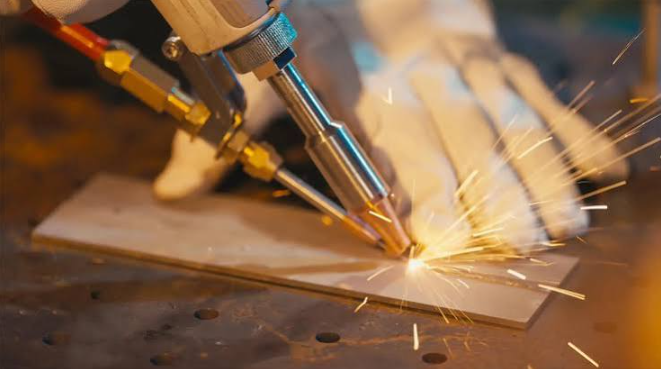
Laser welding provides manufacturers with a process for joining or repairing materials through concentrated energy. When correctly configured, it can be useful for tasks that require localized welding and controlled heat input. The technology is particularly worth evaluating when conventional methods make it difficult to access a small area or maintain the required geometry.
The Importance of Process Consistency
A welding process should produce results that meet defined acceptance criteria from one component to the next. Consistency is affected by material composition, surface condition, joint geometry, equipment settings, and operator technique.
Even a sophisticated machine cannot compensate for poor preparation or unsuitable parameters. Manufacturers should therefore establish a documented process that explains how components are prepared, how welding is performed, and how results are checked.
Standardization is particularly important when several operators perform similar repairs. Clear instructions and appropriate training reduce variation and make problems easier to investigate.
How QCW Technology Works
Quasi-continuous-wave laser systems deliver energy in controlled pulses or bursts. Depending on the machine, the operator can adjust parameters that influence how energy reaches the workpiece.
This operating approach may suit certain applications that require high peak power combined with control over the overall heat delivered. The actual results depend on the material, thickness, welding geometry, and selected settings.
Manufacturers should avoid assuming that one set of parameters will work for every component. Each application requires suitable process development and validation.
Selecting a Machine for the Intended Task
The first equipment-selection question should be what the machine needs to accomplish. Repairing a small mold cavity, joining metal components, and performing production welding can involve different operating requirements.
Businesses comparing a qcw laser welder should review the manufacturer’s technical specifications, pulse capabilities, compatible materials, operating limits, cooling requirements, and available support.
It is also important to consider the workshop environment. Available space, electrical supply, operator experience, extraction systems, and access to maintenance services may influence which configuration is practical.
A demonstration or controlled trial can help determine whether the equipment meets the required quality standard.
Prepare Materials Before Welding
Material preparation affects the reliability of the final weld. Contaminants such as oil, oxide, dust, and residues can interfere with the process.
The preparation method should suit the material and the nature of the repair. Technicians should also confirm whether the component has been heat-treated or coated, as these factors may affect the welding procedure.
Where filler material is required, it should be compatible with the base material and the intended service conditions. Unverified substitutions may compromise the result.
Develop and Validate Welding Parameters
Process development involves selecting suitable settings and evaluating the results on representative material. Depending on the equipment, relevant parameters may include pulse energy, duration, repetition rate, focus position, and movement speed.
Technicians should examine the weld for visible defects and verify any additional properties required by the application. For critical parts, visual inspection alone may not be sufficient.
Once the process is approved, the settings and inspection criteria should be recorded. If the material or geometry changes, the manufacturer may need to validate the process again.
Integrate Inspection Into Production
Quality inspection should be planned before production begins. The required checks depend on the component’s function and the consequences of failure.
Inspection may include visual examination, dimensional measurement, surface-finish checks, or other suitable methods. Defects should be documented, investigated, and addressed through an approved corrective process.
Tracking repair outcomes can reveal whether defects are associated with preparation, operator technique, equipment condition, or material variation.
Safety and Equipment Maintenance
Laser welding systems require appropriate safety controls. The manufacturer’s instructions should guide the setup of protective enclosures, access restrictions, eye protection, fume extraction, and other safeguards.
Operators should receive training before using the equipment. Routine maintenance and inspection can help preserve reliable performance and identify issues before they interrupt production.
A maintenance schedule should cover the tasks specified by the equipment manufacturer, along with records of service and repairs.
Measure the Business Impact
The value of laser welding should be assessed through practical performance measures. These may include repair time, first-pass acceptance rate, finishing requirements, equipment availability, and the number of components successfully restored.
A lower welding time does not necessarily mean a lower total production cost if extensive finishing or inspection is still required.
Comparing results before and after implementation can provide a more reliable picture of whether the technology improves manufacturing performance.
Conclusion
Controlled laser welding can support manufacturing quality when the equipment, materials, process parameters, and inspection methods are appropriately matched.
By documenting procedures, validating results, training operators, and measuring total repair costs, manufacturers can determine where QCW laser technology fits within their quality and production strategy.