Introduction
Packaging is an essential stage of manufacturing because it protects products, supports consistent presentation, and prepares finished goods for storage and distribution. For manufacturers handling shisha tobacco products, the packaging process must be planned around the product’s physical characteristics, the selected packaging materials, production targets, and the regulations applicable to the intended market.
An effective packaging operation is not simply a collection of machines. It is a coordinated workflow in which material handling, filling, sealing, coding, inspection, and finished-product movement work together. Careful planning helps businesses identify suitable equipment, reduce avoidable interruptions, and maintain consistent quality.
Understand the Product and Packaging Format
Before selecting machinery, manufacturers should define the products and packaging formats they intend to handle. Package size, material type, closure method, and product characteristics all influence equipment requirements.
Different packaging formats may require different feeding mechanisms, filling arrangements, or sealing methods. If a facility expects to produce several package sizes, it should determine how quickly the line can be adjusted and which components must be changed between production runs.
Providing suppliers with product samples, packaging specifications, and drawings can make equipment discussions more productive. It also helps avoid purchasing a system that is technically capable of running but unsuitable for the actual production requirements.
Map the Entire Packaging Workflow
A process map helps manufacturers understand how products move through the facility. Depending on the application, a packaging workflow may include material supply, product measurement, package preparation, filling, sealing, printing, inspection, and carton packing.
Each stage should have a clearly defined role. If a filling machine operates faster than the sealing unit can process packages, products may accumulate between the two stages. If packaging materials are supplied inconsistently, otherwise capable equipment may experience repeated interruptions.
Reviewing the entire line makes it easier to identify bottlenecks and determine whether improvements are needed in one machine or across several connected processes.
Selecting Suitable Packaging Equipment
Equipment selection should begin with production requirements rather than a general preference for the newest or fastest machine. Manufacturers should consider expected output, package dimensions, available floor space, operating conditions, and the level of automation required.
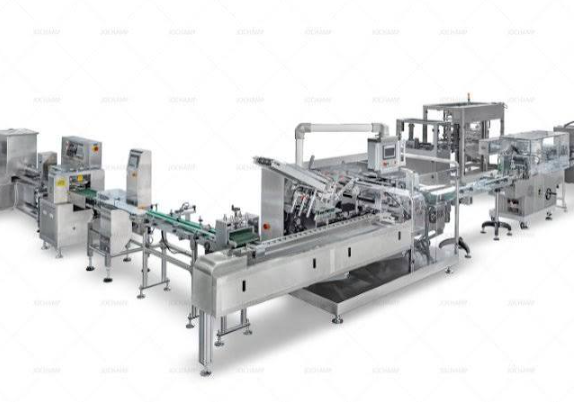
Businesses evaluating a Shisha Tobacco Packaging Line should confirm which functions are included in the proposed system. Some solutions may combine multiple stages, while others may require separate equipment for filling, sealing, coding, or material handling.
Important questions include whether the system supports the intended packaging materials, how changeovers are performed, what utilities are required, and whether it can integrate with existing machinery.
Maintaining Packaging Quality
Consistent quality depends on clear specifications and repeatable checks. Manufacturers should establish standards for package appearance, fill requirements, closure integrity, labeling, and other relevant characteristics.
Inspection procedures should identify defects early enough to prevent large quantities of unsuitable packages from reaching finished inventory. Staff need clear instructions on how to isolate rejected products, investigate recurring problems, and record the outcome of corrective actions.
Packaging materials should also be checked before use. Variations in dimensions, thickness, or sealing characteristics can affect machine performance, so material specifications should be agreed upon with suppliers.
Hygiene, Workplace Safety, and Compliance
The production environment determines many of the hygiene and safety measures that must be followed. Cleaning schedules, material-handling procedures, and equipment inspection routines should be documented and assigned to responsible staff.
Machines may contain moving parts, heated sealing elements, electrical components, and conveyors. Appropriate guarding, emergency stops, operator training, and safe maintenance procedures are essential.
Manufacturers must also verify the tobacco packaging and labeling requirements that apply in their target markets. These may include health warnings, product information, traceability, taxation, and restrictions on packaging presentation. Requirements can differ by jurisdiction, so they should be confirmed before finalizing packaging artwork or beginning production.
Maintenance and Production Planning
Preventive maintenance helps identify equipment wear before it causes a major interruption. Manufacturers should follow the supplier’s recommendations for inspection, cleaning, servicing, and replacement of wear components.
Spare-parts availability is another important factor. If a critical component is difficult to obtain, a minor fault may lead to extended downtime. Buyers should clarify support arrangements and expected service response times before purchasing equipment.
Production planning should also include changeovers, cleaning, staff training, and routine inspections. These activities take time, but including them in the schedule can make output expectations more realistic.
Measure Performance and Improve Gradually
Useful performance indicators include completed packages per hour, rejected units, material waste, unplanned downtime, and changeover duration. Recording these figures provides a baseline for assessing whether a new machine or process adjustment delivers a genuine improvement.
When results fall short, investigate the underlying cause. The issue