Beauty and aesthetic businesses regularly evaluate new equipment to expand their services or update existing treatment options. When considering light-based technology, it is important to understand the device’s intended use, technical performance, safety requirements, and the evidence supporting the claims made about it.
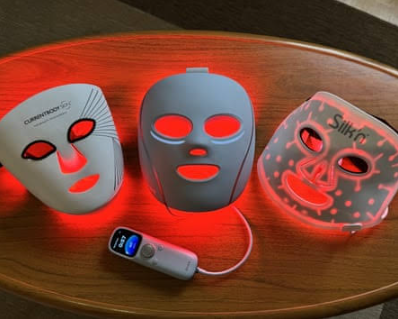
Red light devices are commonly discussed in the context of photobiomodulation. Some systems use red wavelengths, while others include near-infrared light. The equipment can vary in size, output, treatment area, controls, and operating procedures.
A practical selection process helps businesses compare products on measurable criteria rather than promotional language alone.
Define the Business Requirement
Before contacting suppliers, determine the intended application and the type of environment in which the device will operate. A small studio may need compact equipment, while a larger clinic may prioritize treatment-area size, workflow, and service support.
The intended use should be clearly documented. Buyers should confirm whether the product is intended for professional use and whether the proposed application is consistent with its technical documentation and applicable local requirements.
The device’s purpose also influences staff training, room layout, cleaning procedures, and client communication.
Understand Red and Near-Infrared Technology
Red light is part of the visible spectrum, while near-infrared light lies just beyond it. Devices using these wavelengths may be designed for photobiomodulation, but different products can deliver different amounts of energy and use different treatment protocols.
A red light beauty device should be assessed according to its exact specifications and intended use. The category label alone does not establish performance or suitability for a particular treatment.
Buyers should ask the supplier for clear documentation explaining wavelengths, output, treatment distance, exposure time, and relevant precautions.
Compare the Main Specifications
Useful points of comparison include the treatment area, operating controls, power requirements, cooling arrangements, recommended session length, and maintenance needs.
The device should fit the available space and the intended workflow. For example, a larger treatment area may be convenient in some professional settings, but size alone does not establish effectiveness.
Suppliers should provide instructions for use, cleaning, storage, and routine checks. Buyers should also confirm the availability of technical support and replacement parts.
Evaluate Claims Carefully
Marketing materials may describe cosmetic benefits, but claims should be assessed according to the available evidence and the exact device being considered.
Evidence for one wavelength or protocol cannot automatically be applied to another product. Buyers should look for clear information about how results were measured, what population was studied, and what limitations were identified.
Businesses should avoid promising clients guaranteed results or presenting a device as a replacement for appropriate medical assessment.
Clear and accurate communication helps establish realistic expectations.
Review Safety Requirements
Safety should be considered before a device is purchased. Depending on the product, requirements may include eye protection, controlled access, electrical safeguards, ventilation, and limits on exposure.
Staff should be trained to follow the manufacturer’s protocol and recognize situations in which treatment should not proceed. Clients should receive relevant information about the procedure and applicable precautions.
Individuals with light sensitivity or relevant medical concerns may need professional advice before using light-based equipment. Unexplained or persistent skin symptoms should be referred for suitable clinical assessment.
Plan Staff Training and Daily Operation
Training should cover device setup, treatment settings, cleaning, safety procedures, and fault reporting. Staff should know which adjustments are permitted and when a supervisor or service technician must be contacted.
Standard operating procedures help ensure that equipment is used consistently. They can also support onboarding when new employees join the business.
The treatment area should be organized so that cables, accessories, and other equipment do not create unnecessary hazards.
Calculate the Total Investment
The purchase price should be considered alongside installation, training, maintenance, replacement accessories, servicing, and possible downtime.
Businesses should assess whether the equipment fits their service model and expected demand. A more expensive product is worthwhile only if its documented capabilities and support arrangements justify the additional cost.
Warranty terms should be reviewed carefully, including exclusions, servicing requirements, and the process for obtaining technical assistance.
Establish a Maintenance Routine
Following the manufacturer’s maintenance schedule can help preserve reliable operation. Staff should check the equipment as instructed and report any damage or unusual behavior.
Service records, manuals, and warranty information should be stored where responsible personnel can access them. Equipment that appears damaged or malfunctions should not be used until it has been appropriately assessed.
Conclusion
Selecting red light beauty equipment requires a structured review of the intended application, technical specifications, evidence, safety, staff training, and total cost.
By asking suppliers detailed questions and verifying documentation before purchasing, aesthetic businesses can make more informed decisions and establish safer, more consistent operating procedures.