Modern properties draw more electricity than older buildings for one simple reason: more daily functions are electric, automated, and always on. Heat pumps replace gas furnaces, induction ranges replace older cooktops, and home offices add monitors, network gear, and charging stations that run for hours at a time. Many homes now have EV chargers, smart appliances, and air quality equipment that cycles frequently. Even when each device is efficient, the combined demand can push panels, feeders, and circuits closer to their limits. Load growth also creates hidden stress at connection points because higher sustained current warms the conductors, expands the metal, and can loosen terminations over time if they were not installed and torqued correctly. Managing electrical load growth means planning for today’s usage while leaving room for tomorrow’s upgrades. It is not only about bigger panels. It is about understanding when loads occur, reducing peaks, and building a system that stays stable as new technology gets added. A property that manages load growth well avoids nuisance breaker trips, flickering lights, and rushed emergency upgrades.
Practical ways to stay ahead
- Measure current loads and identify peaks.
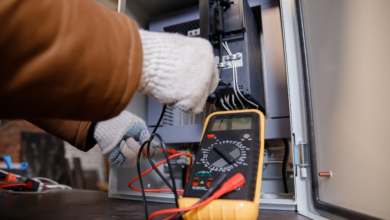
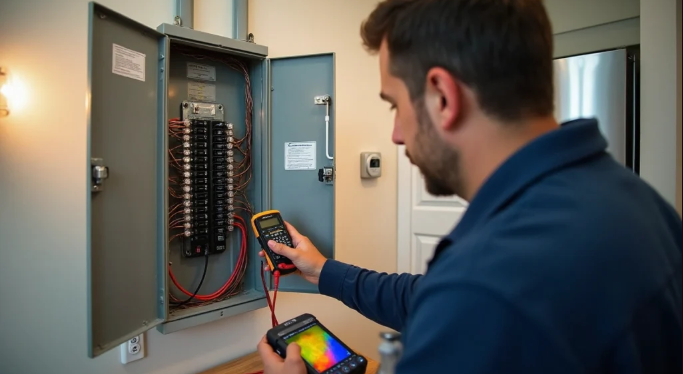
The first step is to replace assumptions with real data. Many properties have unknown load patterns because equipment was added gradually, sometimes by different contractors, without a unified plan. Electricians can map circuits, label panels, and use load monitoring to see how demand changes throughout the day. This is valuable because peak demand often arises from overlaps, such as cooking while the laundry runs and HVAC equipment cycles, or charging an EV while a water heater recovers. Knowing the peak reveals whether the service is actually constrained or simply unmanaged. It also helps identify which circuits are near capacity, such as small-appliance circuits in the kitchen, bathroom outlets, garage feeds, and HVAC circuits.
In some cases, the issue is not the total service size but the voltage drop on long runs, which makes devices perform poorly as load increases. During an evaluation, contractors may also check for loose neutrals, overheated breakers, or crowded subpanels, all of which can signal stress. Some property owners begin by reviewing guidance from local electricians and resources like https://sarkinenelectrical.com/, then schedule a full assessment to compare current draw against service limits and plans. When peaks are visible, the upgrade path becomes clear and targeted rather than a matter of guesswork.
- Add capacity strategically with panels and feeders.
If monitoring shows the service is undersized, adding capacity can mean a service upgrade, a new subpanel, or feeder improvements. A service upgrade increases the main capacity from the utility, but it also requires verifying the meter base condition, grounding and bonding, and, sometimes, the conduit size and panel location. Subpanels help when the main panel is full or when new loads are concentrated in one area, such as a basement suite, addition, workshop, or garage. Feeder sizing matters because the feeder must carry the expected current without overheating, and proper breaker coordination helps protect conductors. Another strategic approach is dedicated circuits for large loads so they do not share wiring with lighting or receptacles, reducing nuisance trips and improving stability. For multifamily buildings, upgrades may involve meter stacks, shared service rooms, and coordination with building management because a change in one unit can affect shared capacity. It is also important to plan for future expansion by leaving spare breaker spaces, providing conduit pathways, and documenting load calculations so the next upgrade does not start from scratch. Capacity upgrades work best when they are done with a long view instead of repeated in small steps.
- Manage demand with load control and scheduling.
Many modern properties can avoid immediate service upgrades by reducing peak demand. Load management devices and smart panels can control when certain equipment runs, keeping total draw below a set limit. EV charging is a common place to apply this. Charging can be reduced or paused during periods of peak cooking or heating demand, then resumed when capacity is available. Heat pump water heaters can be scheduled to recover during off-peak times, and some HVAC systems can stagger startup cycles to reduce short bursts that cause flicker or trips. Smart thermostats and home energy management systems help coordinate these actions without constant manual effort. Even simple habit shifts matter, such as running laundry at different times than cooking or setting EV charging to start later at night. Demand control is also useful in commercial properties, where demand charges can sharply increase bills during peak periods. In those settings, automated load shedding can pay for itself by lowering peak demand while maintaining occupant comfort. The key is to treat the electrical system like a capacity budget that can be planned, not a mystery that only becomes visible when something trips.
See also: Selecting the Right Pneumatic Cylinder for Your Shop Floor
Staying ahead of rising demand
Managing electrical load growth in modern properties starts with understanding real usage patterns and peak overlaps. Monitoring and circuit mapping reveal whether the issue is total capacity, local circuit stress, or voltage drop. From there, owners can strategically add capacity through service upgrades, subpanels, and dedicated circuits that match the locations of new loads. Demand management tools and scheduling reduce peaks, often delaying expensive upgrades and improving day-to-day reliability. Finally, system protection through surge control, correct terminations, and maintenance checks keeps rising load from turning into heat, nuisance trips, or premature equipment failures. With a clear plan, properties can keep adding modern electric features while staying safe, stable, and ready for future growth.